
Is your Shark V2700Z vacuum cleaner leaving dirt and debris behind? A vacuum that won’t pick up can be incredibly frustrating, turning a quick cleaning task into a drawn-out chore. This article provides a comprehensive guide to diagnosing and fixing the common causes of a Shark V2700Z vacuum losing its suction power. We’ll explore everything from simple fixes to more involved solutions, helping you get your vacuum back in top working order.
Why is My Shark V2700Z Losing Suction?

Several factors can contribute to a Shark vacuum’s diminished suction. Identifying the root cause is the first step to resolving the issue. Common culprits include clogged filters, a full dust cup, blocked hoses, or issues with the brush roll. Addressing these issues promptly will not only restore your vacuum’s performance but also extend its lifespan. Let’s dive into the specific troubleshooting steps.
Step-by-Step Troubleshooting Guide
Here’s how to diagnose and fix the suction issues in your Shark V2700Z vacuum:
1. Empty the Dust Cup
A full dust cup is one of the most common reasons for a vacuum to lose suction.
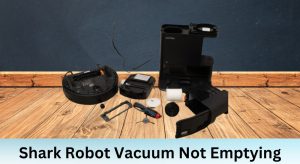
- How to: Detach the dust cup from the vacuum body. Hold it over a trash can and release the bottom lid to empty the contents.
- Pro Tip: Empty the dust cup after each use, or at least when it reaches the “full” line, to maintain optimal suction.
2. Clean the Filters
Dirty filters restrict airflow, causing a significant drop in suction power. The Shark V2700Z typically has multiple filters that need regular cleaning.
- How to: Locate the pre-motor filters (usually foam and felt filters) and the post-motor filter (often a HEPA filter). Remove them and gently tap off loose debris. Rinse the foam and felt filters with lukewarm water until the water runs clear. Allow them to air dry completely (at least 24 hours) before reinstalling. The HEPA filter typically cannot be washed; replace it according to the manufacturer’s recommendations.
- Warning: Never operate the vacuum without all filters properly installed, as this can damage the motor.
3. Check for Blockages in the Hose and Wand
Obstructions in the hose or wand can severely limit suction.
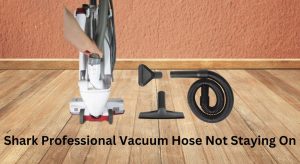
- How to: Detach the hose from the vacuum body and the wand. Inspect both for any visible blockages. Use a broom handle or similar tool to carefully dislodge any obstructions. Flexible hoses often trap debris, so check carefully.
- Best Practice: Regularly inspect the hose and wand, especially after vacuuming areas prone to larger debris, like pet hair or food crumbs.
4. Inspect the Brush Roll
A tangled or jammed brush roll can prevent the vacuum from effectively picking up dirt.
- How to: Turn off and unplug the vacuum. Remove the brush roll cover and carefully remove the brush roll. Clean away any hair, string, or debris wrapped around the brush roll. If the bristles are worn or damaged, consider replacing the brush roll.
- Tools/Materials: You might need scissors or a seam ripper to cut away tangled hair.
5. Check the Attachments
Ensure that any attachments you’re using are clean and free of obstructions.
- How to: Detach the attachment and inspect the opening for any blockages. Use a small brush or tool to remove any debris.
- Alternatives/Variations: Different attachments are designed for specific tasks. Using the wrong attachment can reduce suction effectiveness.
6. Examine the Seals and Connections
A loose seal or connection can leak air, reducing the vacuum’s overall suction.
- How to: Inspect all connections between the hose, wand, dust cup, and vacuum body. Ensure they are securely attached. Check the seals around the dust cup and filters for any damage.
- Troubleshooting: If you find a damaged seal, contact Shark customer support for a replacement.
Shark V2700Z: Tips for Maintaining Optimal Suction
Maintaining your Shark V2700Z vacuum is key to ensuring it continues to pick up dirt effectively. Here are some tips to keep in mind:
- Regularly empty the dust cup and clean the filters as described above.
- Inspect the brush roll frequently and remove any tangled hair or debris.
- Check for and clear any blockages in the hose, wand, and attachments.
- Periodically check the seals and connections to ensure they are airtight.
- Replace filters and brush rolls as recommended by the manufacturer.
FAQ About Shark V2700Z Suction Issues
Why does my Shark vacuum have suction, but it’s not picking up dirt?
Even with suction, a clogged brush roll, a blocked hose, or incorrect height settings can prevent the vacuum from effectively lifting dirt from the floor.
How often should I replace the filters on my Shark V2700Z?
Replace the foam and felt filters every 3 months, and the HEPA filter every year, depending on usage. Check the manufacturer’s recommendations for specific guidelines.
Can a full dust cup really affect the suction power of my Shark vacuum?
Yes, a full dust cup restricts airflow to the motor, causing a significant reduction in suction. Emptying the dust cup regularly is crucial.
What do I do if I can’t find the source of the suction problem?
If you’ve tried all the troubleshooting steps and your Shark V2700Z still isn’t picking up, contact Shark customer support for further assistance or consider taking it to a qualified repair technician.
Is it normal for my Shark vacuum to lose suction over time?
Some loss of suction over time is normal due to wear and tear. However, regular maintenance and prompt attention to issues can minimize this effect.
Best Practices to Keep Your Shark Vacuum Running Smoothly

Here are some best practices to ensure your Shark V2700Z continues to perform well:
- Avoid vacuuming liquids or wet debris: This can damage the motor and filters.
- Don’t overfill the dust cup: Empty it regularly to maintain optimal suction.
- Use the appropriate attachments for different surfaces: This can improve cleaning effectiveness.
- Store your vacuum in a clean, dry place: This will help prevent mold and mildew growth.
Conclusion
A Shark V2700Z vacuum that isn’t picking up can be a major inconvenience, but with a systematic approach, you can often resolve the issue yourself. By following the troubleshooting steps outlined in this guide, you can diagnose the problem, implement the appropriate solution, and get your vacuum back to its peak performance. Regular maintenance and adherence to best practices will help extend the life of your Shark vacuum and ensure it continues to deliver powerful cleaning for years to come. Take action now to keep your home clean and your vacuum running smoothly!