
Your coffee maker won’t turn on, the microwave display is dark, and the under-cabinet lights are out—your kitchen has suddenly lost electricity. When electricity in kitchen not working strikes, it can bring your morning routine to a halt and leave you wondering what’s wrong. Whether it’s a single dead outlet or your entire kitchen has gone dark, most electrical failures stem from common issues you can often diagnose and sometimes fix yourself. In this guide, you’ll learn the exact steps to identify why your kitchen power failed and how to safely restore it.
Diagnosing Kitchen Power Failure
Before grabbing tools, determine the scope of your kitchen electrical problem. Is power out for just one appliance, a single outlet, multiple outlets, or your entire kitchen? This initial assessment saves time and prevents unnecessary work. Start with the most accessible culprit: GFCI outlets. Kitchens built or renovated after 1996 require GFCI (Ground Fault Circuit Interrupter) protection, and one tripped GFCI can cut power to multiple downstream outlets. Check all kitchen GFCIs first, then expand your search to nearby bathrooms, garage, or basement—GFCIs in these areas often protect kitchen circuits too.
How to Identify and Reset a Tripped GFCI
A GFCI outlet has “TEST” and “RESET” buttons. Press the “RESET” button firmly. If it clicks and stays in, power should restore to affected outlets. If it won’t stay reset after pressing firmly, unplug all devices from that circuit and try again. Never force a GFCI to reset—if it won’t stay reset after multiple attempts with nothing plugged in, the GFCI itself may be faulty or there’s a dangerous ground fault requiring professional attention. Test monthly by pressing the “TEST” button (power should cut off), then “RESET” to restore power.
The Electrical Panel: Your First Stop
:max_bytes(150000):strip_icc()/inside-electrical-service-panel-load-center-1824663_V1-5527f969fe114ba98f18a9762cb64ab0.png)
Your home’s electrical panel is the control center for kitchen power. When electricity in kitchen not working, tripped breakers are the most common culprit.
Locating and Resetting Tripped Kitchen Circuit Breakers
Open your panel door and examine all breakers. A tripped breaker sits in a middle position—not fully “ON” (usually “I”) or “OFF.” Kitchen circuits are often labeled “Kitchen,” “Countertop,” or “Dishwasher,” but many panels have outdated or missing labels. For unlabeled panels, identify kitchen circuits by process of elimination—turn off all breakers, then turn them on one by one while testing kitchen outlets.
To properly reset a tripped breaker:
1. Firmly push the handle fully to the “OFF” position (you should feel a distinct “click”)
2. Then push it fully to the “ON” position
3. If it trips again immediately or within minutes, do not continue resetting—this indicates a serious fault like a short circuit
AFCI/GFCI Breaker Specifics for Modern Kitchens
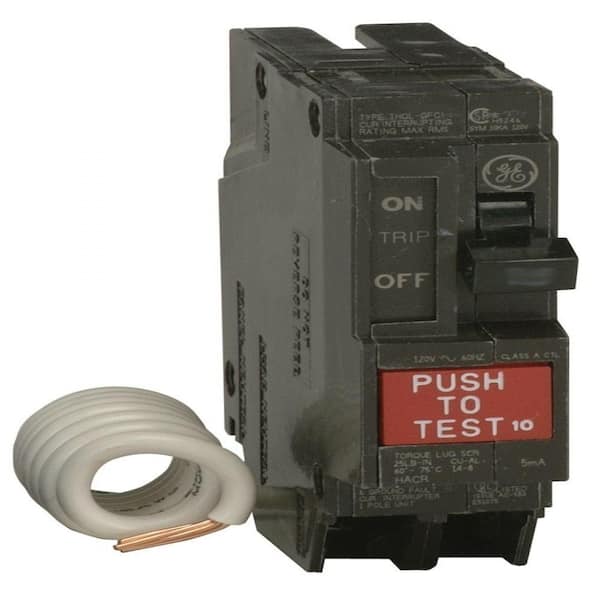
Newer kitchens often have AFCI (Arc-Fault Circuit Interrupter) or GFCI breakers with small test buttons. These trip for different reasons than standard breakers—AFCIs detect dangerous arcs, while GFCIs detect ground faults. Reset these by pushing the handle fully OFF, then ON. If they trip repeatedly, call an electrician immediately as these indicate potentially dangerous wiring issues.
Troubleshooting Specific Kitchen Scenarios
Why Your Countertop Outlets Died While Lights Stay On
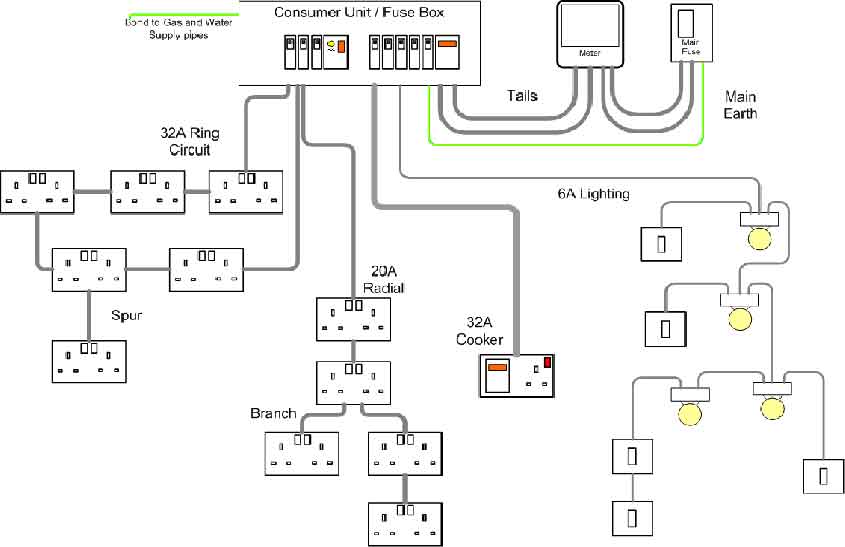
This classic scenario almost always means a tripped GFCI. Kitchen lighting circuits are typically separate from countertop outlets. Check all GFCI outlets in the kitchen first, then expand to bathroom, garage, and outdoor outlets—kitchen countertop circuits often get protected by GFCIs in these areas. Reset each GFCI until you find the one controlling your dead outlets. If no GFCI resets successfully, you may have a loose neutral wire or failing connection requiring professional diagnosis.
One Dead Outlet Among Working Neighbors: What to Check
When only one outlet fails while others on the same counter work, first unplug everything from all nearby outlets. Sometimes a faulty appliance trips the circuit without tripping the breaker. Next, check if the outlet is controlled by a switch (common for garbage disposals or under-cabinet lighting). If the outlet remains dead, it likely has a loose wire connection or internal failure. Do not attempt to replace an outlet unless you’re experienced with electrical work—loose connections can cause arcing and fire hazards.
Why Your Refrigerator or Microwave Won’t Power On
Large appliances like refrigerators and microwaves typically have dedicated 20-amp circuits. If one appliance fails while others work, check its specific breaker first. Unplug the appliance and test the outlet with a lamp or phone charger. If the outlet works but the appliance doesn’t, the problem is likely with the appliance itself. If the outlet is dead, check for a tripped GFCI (some refrigerators plug into GFCI-protected circuits) or a dedicated circuit breaker. Never run extension cords for major appliances—this creates fire hazards.
When to Call a Professional Electrician Immediately
Stop troubleshooting and call an electrician immediately if you notice:
- Burning smells or scorch marks on outlets, switches, or the panel box (fire hazard)
- Sparks, sizzling, or arcing sounds from any electrical component
- Warm or hot outlets or switch plates (indicates dangerous overload)
- Frequent breaker trips that persist after resetting
- Buzzing or humming from outlets or the electrical panel
These warning signs indicate potentially dangerous electrical faults beyond DIY repair. Electricity in the kitchen involves water sources and high-wattage appliances, creating greater risks than other areas of your home.
Preventing Future Kitchen Electrical Failures
Monthly GFCI Testing Protocol
Press the “TEST” button on all kitchen GFCI outlets monthly. Properly functioning GFCIs should cut power immediately. Then press “RESET” to restore power. If a GFCI doesn’t trip when tested, replace it—it’s no longer providing protection against shock hazards.
Kitchen Circuit Load Management
Kitchen circuits overload easily during meal preparation. Follow this appliance safety rule: Never run multiple high-wattage appliances (toaster, microwave, coffee maker) on the same circuit simultaneously. Most kitchens require at least two dedicated 20-amp small appliance branch circuits for countertop outlets—check your panel labeling to identify which outlets share circuits.
Breaker Panel Organization Strategy
Create a clear circuit map by labeling each breaker with its specific purpose. Use a permanent marker on masking tape inside the panel door. Test each circuit by turning off breakers one by one while someone checks what loses power. Proper labeling saves critical time during future electrical emergencies.
When Kitchen Power Loss Signals Serious Trouble
Some electrical issues require immediate professional attention. Call an electrician if you experience:
- Intermittent power that comes and goes without breaker trips (indicates loose connections)
- Voltage fluctuations causing lights to dim when appliances start
- Partial power loss where some outlets work but others don’t on the same circuit
- Flickering lights accompanied by burning smells
These symptoms often indicate dangerous loose neutral connections or failing service entrance components that can cause extensive damage if ignored. As electrical professionals know, what appears as simple kitchen power loss might actually signal serious utility-side issues affecting your entire home’s electrical system.
Final Power Restoration Checklist
When electricity in kitchen not working, follow this sequence before calling for help:
- Test all GFCI outlets in kitchen, bathrooms, garage, and basement
- Locate and properly reset any tripped breakers (OFF then ON)
- Unplug all kitchen appliances before resetting
- Verify if problem affects only kitchen or entire house
- Check with neighbors for area-wide outages
If these steps don’t restore power, or if you notice any danger signs like burning smells, buzzing sounds, or warm outlets, call a licensed electrician immediately. The cost of professional service pales in comparison to potential fire damage or electrical injury. Remember: when working with electricity, safety always comes before speed—never take shortcuts with live circuits. Your kitchen’s electrical system powers essential appliances, so proper diagnosis and repair ensure your home remains safe and functional.