
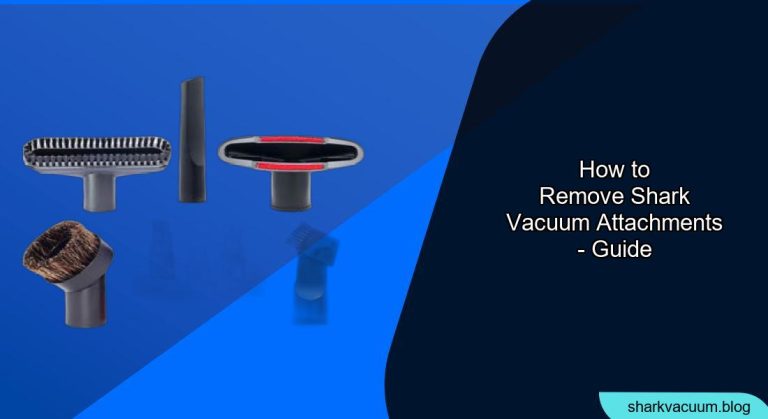
Vacuum cleaner attachments are great for getting into nooks and crannies, cleaning upholstery, and tackling pet hair. However, sometimes removing them can be a bit tricky. This guide will provide you with a clear, step-by-step process for safely and efficiently removing attachments from your Shark vacuum, ensuring you can switch between tools with ease and keep your machine in top working order. Whether you’re dealing with a stubborn hose or a stuck brush, we’ll cover the common issues and offer solutions.
1. Identifying the Attachment Mechanism

Before attempting to remove any attachment, it’s essential to understand how it’s connected to your Shark vacuum. Most attachments use one of the following mechanisms:
- Button Release: Some attachments have a button that, when pressed, releases the connection.
- Clip or Latch: These attachments are held in place by a clip or latch that needs to be disengaged.
- Friction Fit: These attachments are simply pushed onto the vacuum and held by friction.
- Twist and Lock: These require you to twist the attachment to align and lock it into place; removal involves twisting it back.
Identifying the mechanism will help you avoid applying the wrong type of force, which could damage the attachment or the vacuum.
2. Preparing for Removal
Before you start removing the attachment, there are a few preparatory steps:
- Turn Off and Unplug: Always turn off and unplug your Shark vacuum before changing attachments to ensure safety.
- Inspect the Connection: Look closely at the connection point between the attachment and the vacuum. Identify any buttons, clips, or locking mechanisms.
- Clear Debris: Remove any visible debris, such as hair or dust, that might be obstructing the connection.
Taking these steps will make the removal process smoother and safer.
3. Removing Attachments with a Button Release
Many Shark vacuum attachments are equipped with a button release mechanism. Here’s how to use it:
- Locate the Release Button: This button is typically located near the base of the attachment or on the wand.
- Press the Button: Press the release button firmly. You should hear or feel a click as the attachment disengages.
- Pull the Attachment: While pressing the button, gently pull the attachment away from the vacuum. If it doesn’t come off easily, double-check that the button is fully depressed and that there’s no debris obstructing the connection.
4. Detaching Attachments with a Clip or Latch
Some Shark attachments use a clip or latch to secure them in place. Here’s the process:
- Locate the Clip or Latch: This is usually found where the attachment connects to the wand or vacuum body.
- Disengage the Clip or Latch: Depending on the design, you may need to press, lift, or slide the clip or latch to release it.
- Pull the Attachment Off: Once the clip or latch is disengaged, gently pull the attachment away from the vacuum. If it’s stuck, ensure the clip is fully released.
5. Removing Friction Fit Attachments
Friction fit attachments can sometimes be the most challenging to remove, but with the right technique, it becomes manageable:
- Grip the Attachment Firmly: Hold the attachment close to the connection point.
- Twist and Pull: Gently twist the attachment back and forth while pulling it away from the vacuum. This helps to break the friction.
- Apply Steady Pressure: Avoid jerking or using excessive force, as this could damage the attachment or the vacuum.
6. Dealing with Twist and Lock Attachments
Twist and lock attachments are designed for a secure fit but require a specific method for removal:
- Locate the Locking Mechanism: Identify the area where the attachment twists to lock into place.
- Twist to Unlock: Rotate the attachment in the opposite direction of the locking motion until it aligns with the release point.
- Pull Off: Once unlocked, gently pull the attachment straight off the vacuum.
7. Troubleshooting Stuck Attachments
Sometimes, despite your best efforts, an attachment might refuse to budge. Here are some troubleshooting tips:
- Check for Obstructions: Use a small tool, like a toothpick or screwdriver, to clear any debris from the connection point.
- Apply Lubrication: A small amount of silicone-based lubricant can help loosen a stuck attachment. Apply it sparingly to the connection point.
- Warm the Connection: Applying a little warmth (e.g., with a hairdryer on a low setting) can help loosen the plastic and make removal easier.
- Patience is Key: Avoid using excessive force, which can break the attachment or the vacuum. Try wiggling the attachment gently while pulling.
8. Maintaining Your Attachments
Regular maintenance can prevent attachments from getting stuck in the first place. Here are some tips:
- Clean Attachments Regularly: Remove hair, dust, and debris from attachments after each use.
- Store Attachments Properly: Store attachments in a clean, dry place to prevent them from becoming sticky or corroded.
- Inspect for Damage: Check attachments regularly for cracks, breaks, or other damage that could make them difficult to remove.
FAQ Section
How often should I clean my Shark vacuum attachments?
Ideally, clean your attachments after each use to prevent buildup and maintain optimal performance. At a minimum, aim to clean them once a month. Regular cleaning ensures better suction and prevents clogs.
What type of lubricant should I use on a stuck attachment?
Use a silicone-based lubricant, as it’s safe for plastic and rubber components. Avoid oil-based lubricants, which can degrade these materials over time. Apply the lubricant sparingly to the connection point.
Can I use WD-40 to remove a stuck vacuum attachment?
While WD-40 can loosen some stuck parts, it’s not ideal for vacuum attachments due to its potential to degrade plastic and rubber. Opt for a silicone-based lubricant instead.
What should I do if the release button on my Shark vacuum is stuck?
Try cleaning around the button with a small brush or a cotton swab to remove any debris. If that doesn’t work, a tiny amount of silicone lubricant might help. If the button remains stuck, consult the Shark customer service or a repair professional.
How do I prevent hair from wrapping around my vacuum attachments?
Regularly remove hair and debris after each use. Some attachments are designed with features that minimize hair wrap, such as self-cleaning brush rolls. Consider using these types of attachments if you have pets or long hair.
Is it possible to replace a broken Shark vacuum attachment?
Yes, Shark sells replacement attachments on their website and through various retailers. Ensure you purchase the correct attachment for your specific Shark vacuum model.
Tips, Warnings, and Best Practices
- Always unplug the vacuum: Safety first! Always disconnect the vacuum from the power source before changing or removing attachments.
- Avoid excessive force: If an attachment is stuck, don’t force it. Apply gentle, steady pressure and try wiggling it.
- Read the manual: Your Shark vacuum manual contains valuable information about your specific model’s attachments and how to remove them properly.
- Regular maintenance: Keep your attachments clean and free of debris to prevent future issues.
- Use the right tool for the job: Ensure you’re using the correct attachment for the surface you’re cleaning to avoid damage to the attachment or the surface.
Conclusion
Removing attachments from your Shark vacuum doesn’t have to be a struggle. By understanding the different attachment mechanisms, preparing properly, and following these step-by-step instructions, you can easily switch between tools and keep your vacuum in excellent working condition. Regular maintenance and careful handling will also help prevent attachments from getting stuck, ensuring a seamless cleaning experience. Remember to always prioritize safety by unplugging your vacuum before making any changes.


