
Is your Shark vacuum cleaner leaving dirt on the floor instead of sucking it up into the canister? This is a common problem that many Shark vacuum owners face. Fortunately, it’s usually an easy fix. This article will walk you through the most common reasons why your Shark vacuum isn’t picking up dirt and provide step-by-step solutions to get your vacuum back in top shape, ensuring a clean and healthy home.
Why Your Shark Vacuum Isn’t Collecting Dirt

There are several reasons why your Shark vacuum might fail to collect dirt properly. These include blockages, a full dust cup, a dirty filter, or issues with the brush roll. By systematically checking each of these components, you can quickly diagnose the problem and restore your vacuum’s suction power.
Step-by-Step Troubleshooting Guide
Here’s how to troubleshoot your Shark vacuum when it’s not sucking up dirt:
Check the Dust Cup
A full dust cup is the most common reason for reduced suction.
- Empty the Dust Cup: Detach the dust cup from the vacuum and empty its contents into a trash bag.
- Clean the Dust Cup: Rinse the dust cup with water and allow it to dry completely before reattaching it to the vacuum.
- Reassemble and Test: Reattach the dust cup and test the vacuum to see if suction has improved.
Inspect and Clean the Filters
Dirty filters can significantly reduce suction power.
- Locate the Filters: Shark vacuums typically have one or two filters located near the dust cup or motor. Consult your user manual for the exact location.
- Remove the Filters: Take out the filters and inspect them for dirt and debris.
- Clean the Filters: Gently tap the filters to remove loose dirt. Then, rinse them with water. Allow the filters to air dry for at least 24 hours before reinstalling them. Important: Never operate the vacuum without completely dry filters.
- Reassemble and Test: Put the clean, dry filters back in place and test the vacuum.
- Consider Replacing Worn Filters:
Over time, filters can become too clogged or worn out to clean effectively. For optimal performance, it’s recommended to replace your Shark vacuum filters every 3–6 months.
Shop Replacement Shark Filters Here for a perfect fit and maximum suction power!
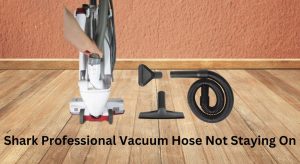
Clear Blockages in the Hose and Wand
Blockages in the hose or wand can prevent dirt from reaching the dust cup.
- Detach the Hose and Wand: Disconnect the hose and wand from the vacuum body and each other.
- Inspect for Blockages: Look through each piece to identify any visible obstructions.
- Remove Blockages: Use a broom handle or similar tool to gently dislodge any blockages. Be careful not to puncture or damage the hose.
- Reassemble and Test: Reconnect the hose and wand and test the vacuum’s suction.
- Consider Hose and Wand Replacement:
If your hose or wand is cracked, punctured, or badly worn, it’s time for a replacement to maintain strong suction and performance.
Shop Genuine Shark Replacement Hoses and Wands for a seamless fit and long-lasting durability!
Check the Brush Roll
A tangled or jammed brush roll can hinder dirt pickup.
- Inspect the Brush Roll: Examine the brush roll for tangled hair, string, or debris.
- Remove Debris: Use scissors or a seam ripper to carefully cut away any tangled materials.
- Clean the Brush Roll: Wipe the brush roll with a clean cloth to remove any remaining dirt.
- Consider Replacing a Worn Brush Roll:If the bristles look worn down or the roll is damaged, a replacement will help restore your vacuum’s cleaning power. Shop Replacement Shark Brush Rolls to keep your vacuum performing like new!
- Reassemble and Test:Reinstall the brush roll and test the vacuum on both hard floors and carpeted surfaces to make sure it’s spinning smoothly and picking up debris effectively.
Examine the Nozzle
The vacuum nozzle can sometimes get clogged with large debris.
- Inspect the Nozzle: Check the vacuum nozzle for any obstructions.
- Remove Debris: Use your fingers or a tool to remove any visible debris.
- Test the Suction: Turn on the vacuum and check if the suction has improved.
Practical Elements
Tools/Materials
- Screwdriver (for disassembly if needed)
- Scissors or seam ripper
- Broom handle or similar tool
- Clean cloth
- Water
Preparation Steps
- Unplug the Vacuum: Always unplug the vacuum cleaner before performing any maintenance or repairs.
- Prepare Your Work Area: Choose a well-lit area with enough space to disassemble and inspect the vacuum.
- Gather Your Tools: Have all necessary tools and materials within reach.
Troubleshooting Guide
| Problem | Possible Cause | Solution |
|---|---|---|
| Low Suction | Full dust cup | Empty and clean the dust cup |
| Low Suction | Dirty filters | Clean or replace the filters |
| No Suction | Blocked hose or wand | Clear any blockages in the hose or wand |
| Poor Dirt Pickup | Tangled brush roll | Remove tangled hair and debris from the brush roll |
| Vacuum Overheating | Blocked airflow | Check and clear all potential blockages in the dust cup, filters, hose, wand, and brush roll |
Pro Tips
- Regular Maintenance: Clean the dust cup and filters after each use to maintain optimal suction.
- Filter Replacement: Replace the filters every 3-6 months, depending on usage, to ensure peak performance.
- Gentle Cleaning: When cleaning the filters, avoid using soap or harsh chemicals that could damage the material.
Alternatives/Variations
- Shop Vac: For heavy-duty cleaning or large debris, consider using a shop vac.
- Stick Vacuum: For quick cleanups on hard floors, a stick vacuum can be a convenient alternative.
- Robot Vacuum: For automated cleaning, a robot vacuum can help maintain cleanliness between deep cleanings.
FAQ Section
Why is my Shark vacuum losing suction after a few minutes?
Losing suction after a few minutes usually indicates overheating due to a blockage. Check the dust cup, filters, hose, and brush roll for any obstructions and clear them. Overheating can trigger a safety mechanism that reduces suction to protect the motor.
How often should I empty the dust cup on my Shark vacuum?
You should empty the dust cup after each use, or when it appears to be about half full. Regularly emptying the dust cup prevents loss of suction and ensures the vacuum operates efficiently.
Can I wash the filters of my Shark vacuum with soap?
No, you should not wash the filters with soap. Soap can leave a residue that attracts more dirt and can damage the filter material. Rinse the filters with water only and allow them to air dry completely before reinstalling.
What should I do if my Shark vacuum still has no suction after checking everything?
If you’ve checked and cleared all potential blockages, cleaned the filters, and emptied the dust cup, and the vacuum still has no suction, there may be an internal issue with the motor or other components. Contact Shark customer service or a qualified repair technician for further assistance.
How do I prevent hair from tangling around the brush roll of my Shark vacuum?
To prevent hair from tangling around the brush roll, regularly clean the brush roll after each use. Use scissors or a seam ripper to carefully cut away any tangled hair or string. Some Shark models also come with a self-cleaning brush roll designed to minimize tangling.
Is it normal for my Shark vacuum to smell after using it?
A slight odor after using your Shark vacuum is normal, especially if you’ve vacuumed up pet hair or other organic material. However, a strong or persistent odor could indicate a problem. Ensure the dust cup and filters are clean and dry. You can also try vacuuming up a small amount of baking soda to help neutralize odors.
Tips, Warnings, and Best Practices
- Safety First: Always unplug the vacuum before performing any maintenance or repairs to avoid electric shock.
- Avoid Water Damage: Ensure all parts are completely dry before reassembling the vacuum to prevent motor damage.
- Regular Cleaning: Regularly clean the dust cup, filters, and brush roll to maintain optimal performance and prolong the life of your vacuum.
- Check for Wear and Tear: Inspect the hose, wand, and other components for signs of wear and tear, and replace them as needed.
- Do not vacuum liquids: Shark vacuums are not designed to vacuum liquids, which can damage the motor and other components.
Conclusion
When your Shark vacuum isn’t collecting dirt, it can be a frustrating experience. However, by systematically checking and cleaning the dust cup, filters, hose, brush roll, and nozzle, you can usually resolve the issue quickly. Regular maintenance and prompt troubleshooting will keep your Shark vacuum running smoothly, ensuring a clean and healthy home. If problems persist, don’t hesitate to contact Shark customer service for expert assistance. Take the steps outlined above to keep your Shark vacuum working like new.