Your Shark robot glides silently across the carpet—but the brush roll sits frozen while pet hair piles up behind it. Instead of lifting stubborn debris, it’s just pushing dust bunnies in circles. This exact frustration hits thousands of Shark owners weekly when their robot vacuum brush roll stops working. The good news? Most failures stem from four fixable issues requiring nothing more than scissors, a screwdriver, and $20 in parts. Whether you’re battling a completely seized roller or intermittent spinning, this guide delivers the precise steps to restore full cleaning power—no technician needed.
When your Shark robot vacuum brush roll not working scenario strikes, immediate action prevents permanent damage. Hair and string buildup creates intense friction that can melt rollers or burn out motors within weeks. Ignoring early warning signs like sluggish rotation or unusual grinding noises often leads to costly replacements. By following this battle-tested diagnostic sequence, you’ll systematically eliminate causes starting with the simplest solutions. Most users resolve brush roll failures in under 30 minutes using basic tools you likely own.
Hair Entanglement Freezing Your Brush Roll Solid

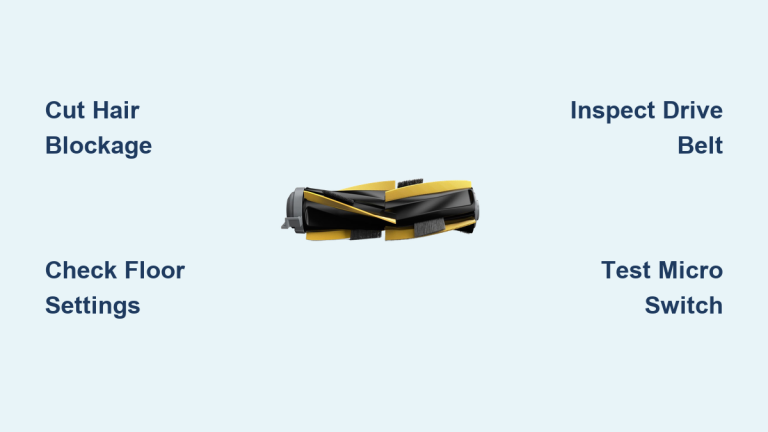
Cut Through Hair Blockages in 5 Minutes
When your brush roll won’t budge even when manually spun, hair and carpet fibers have welded themselves into an immovable mass. Power down your robot and flip it over—attempt to rotate the roller with your fingers. If it resists movement completely, you’re facing severe entanglement that requires immediate intervention.
Use sharp scissors or a seam ripper to slice through wrapped debris, working from one end cap to the other. Critical technique: Cut perpendicular to the roller shaft rather than trying to unwind strands. Pull freed sections away like peeling an onion layer. Pay special attention to the metal shaft ends where hair packs tightest around bearings. Pro tip: Dip scissors in rubbing alcohol between cuts to reduce static cling that attracts more hair.
Replace Melted or Seized Rollers
Persistent resistance after cleaning indicates internal damage. Hair-induced friction can melt plastic roller housings or destroy bearings, making replacement essential. Order model-specific part numbers 117FFJ or 122FFJ (check your user manual for exact compatibility). These assemblies cost $18-$35 and install in under five minutes.
Remove the two Torx T8 screws securing the brush guard, lift out the damaged roller, and snap in the new unit. Before reassembly, test rotation by hand—your replacement should spin freely with no grinding. If resistance remains, inspect the end caps for debris; compressed hair often hides in these recessed areas.
Brush Spins Freely But Won’t Engage Under Power
Verify Floor Selector Settings First
Before disassembling your robot, confirm you haven’t accidentally disabled the brush roll. Your Shark robot vacuum brush roll not working issue could stem from a simple setting error. Many Shark models—including IQ and AV series—automatically disable brush rotation in “Hard Floor” mode to prevent debris scattering.
Locate the physical floor selector switch near the bumper or access cleaning preferences through the SharkClean app. Quick verification: Place your robot on carpet, switch to “Carpet” mode, and start a cleaning cycle. The brush roll should engage within 3-5 seconds. If it spins immediately, you’ve solved the problem—no tools required.
Inspect Drive Belt Tension and Integrity

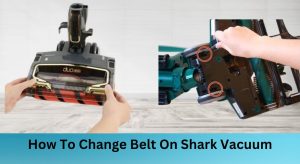
When settings are correct but the roller spins freely without motor engagement, inspect the drive belt. Power down the robot and remove the brush roll guard using a Torx T8 screwdriver. The belt should hug both the motor pulley and brush gear with firm tension.
Look for these failure indicators:
– Cracks or fraying along the belt’s surface
– Smooth sections where teeth have worn off
– Visible stretching that creates slack
A broken belt costs $6-$12 to replace. Roll the new belt into position while maintaining even tension—ensure it seats fully in both pulley grooves. Warning: Never force the belt; misalignment causes premature wear. After installation, manually rotate the brush roll to confirm smooth power transfer before reassembling.
Micro Switch Failure Killing Brush Power
Identify Control Board Electrical Failures
When your brush roll refuses to spin despite clean rollers and correct settings, you’re likely facing micro switch failure—the top diagnosis at Shark repair centers. This dime-sized component on the main circuit board acts as the electrical gatekeeper for your brush motor.
Three telltale signs:
– Complete absence of brush power regardless of floor type
– No unusual noises from the motor area
– All mechanical components pass visual inspection
Unlike belt or roller issues, this requires accessing the robot’s internal electronics. If your Shark robot vacuum brush roll not working problem persists after checking simpler causes, prepare for PCB diagnostics.
Access and Test the Micro Switch Safely
Required tools: Security bit set (Torx T8-T15), multimeter, safety glasses. Begin by removing all underside screws—some hide beneath wheels. Carefully separate the upper and lower clamshells while disconnecting sensor cables. Locate the micro switch marked “BR” or “BRUSH” on the main PCB.
Set your multimeter to continuity mode and probe the switch terminals. Press the actuator manually—a functioning switch emits a beep when closed and silences when released. Critical warning: If you detect no change during testing, the switch has failed and requires replacement. Never apply power during this test to avoid short-circuiting components.
Replace Faulty Switches Without Soldering Errors
Desolder the defective 3-pin SPDT switch (5A 250VAC rating) using desoldering braid. Install the new switch while matching pin orientation precisely—common (COM), normally open (NO), and normally closed (NC) positions must align. Expert note: Incorrect placement can permanently damage the control board. After soldering, reassemble the robot while verifying all ribbon cables click securely into place. Test functionality before final screw tightening.
Prevent Recurring Brush Roll Failures
Implement a 3-Minute Weekly Maintenance Routine
Prevent hair entanglement before it immobilizes your roller. Every Sunday, remove the brush roll and clean it using these steps:
1. Cut away visible hair with scissors
2. Use a seam ripper for embedded fibers
3. Wipe the metal shaft with a microfiber cloth
4. Verify free rotation before reinstallation
Pet owners should perform this maintenance twice weekly. This simple ritual extends roller life by 6-8 months and prevents 90% of seizure failures.
Monthly Belt and Pulley Inspection Protocol
During your monthly check, focus on these critical points:
– Examine drive belt for uneven wear patterns
– Clean pulley grooves with a toothpick
– Confirm brush roll spins without resistance
– Update SharkClean app firmware
Replace belts showing any signs of cracking immediately. A $12 preventative belt swap saves $35 roller replacements down the line.
When to Avoid DIY Repairs
Warranty Voiding Risks
Opening your robot’s chassis automatically voids Shark’s limited warranty. If your unit is under coverage (typically 1 year), contact Shark support at 1-800-798-7398 before attempting repairs. Provide your model number and purchase date—many brush roll issues qualify for free part replacements.
DuoClean and AI XL Model Complexities
DuoClean models with dual brush rolls contain interlocking gearboxes that require specialized alignment tools. Attempting repairs without Shark’s service manual risks gear misalignment that destroys motor housings. For AI XL series robots, professional service becomes cost-effective when repair time exceeds 45 minutes.
Shark Brush Roll Failure Diagnostic Quick Reference
| Your Symptom | First Action | Second Check | Most Likely Fix |
|---|---|---|---|
| Roller won’t budge manually | Remove hair blockage | Test rotation after cleaning | Brush Roll Assembly ($18-$35) |
| Spins freely but no power | Verify floor selector | Inspect drive belt tension | Drive Belt ($6-$12) |
| Zero spin, settings correct | Test micro switch | Check solder joints | Micro Switch ($2-$5) |
| Intermittent operation | Clean end caps | Inspect for hair buildup | Roller Cleaning or Switch |
Your Shark robot vacuum brush roll not working problem almost always traces back to one of these four culprits. Start with the simplest solutions—hair removal and setting checks—before progressing to belt or switch replacements. By following this diagnostic sequence, you’ll restore full cleaning power while avoiding unnecessary part replacements. Remember: weekly roller maintenance prevents 90% of failures, saving you both time and money. When in doubt, consult Shark’s official video guides on their support portal before opening the chassis. Most brush roll issues yield to patient troubleshooting with basic tools—get your robot back to conquering crumbs today.