Is your Shark Navigator Professional vacuum cleaner leaving hair behind instead of sucking it up? It’s a common frustration, but don’t worry, it’s often a simple fix. A vacuum that isn’t picking up hair effectively can be a real problem, especially for pet owners or anyone dealing with regular shedding. This guide will walk you through the most common reasons why your Shark Navigator might be struggling with hair pickup and provide step-by-step solutions to get it working like new again. We’ll cover everything from simple clogs to more complex issues, ensuring you can diagnose and resolve the problem efficiently.
Let’s dive into the possible causes and how to resolve them, so you can get back to enjoying a hair-free home.
Understanding Why Your Shark Navigator Isn’t Picking Up Hair

Several factors can contribute to your Shark Navigator Professional’s inability to pick up hair effectively. These include blockages in the hose or brush roll, a full dust cup, dirty filters, or even issues with the vacuum’s settings. Addressing these potential problems systematically will help you pinpoint the exact cause and restore your vacuum’s performance.
Step-by-Step Troubleshooting Guide
Here’s a detailed guide to help you troubleshoot why your Shark Navigator Professional isn’t picking up hair:
1. Check the Dust Cup
Why it matters: A full dust cup reduces suction power significantly.
How to fix it:
- Empty the dust cup: Detach the dust cup from the vacuum and empty it completely into a trash bag.
- Clean the dust cup: Rinse the dust cup with water and allow it to dry completely before reattaching it. This prevents mold and ensures optimal performance.
- Reattach securely: Make sure the dust cup is properly and securely reattached to the vacuum.
2. Inspect the Brush Roll
Why it matters: Hair and debris can get tangled around the brush roll, preventing it from spinning freely.
How to fix it:
- Turn off and unplug: Always turn off and unplug the vacuum before inspecting or cleaning the brush roll.
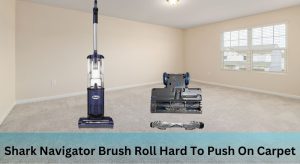
- Access the brush roll: Depending on your model, you may need to remove a cover or access panel to reach the brush roll.
- Remove tangled hair: Use scissors or a seam ripper to carefully cut and remove any tangled hair, threads, or debris from the brush roll.
- Clean the brush roll: Wipe the brush roll clean with a cloth to remove any remaining dirt or residue.
- Reassemble: Reassemble the brush roll and secure any covers or access panels.
3. Check for Hose Blockages
Why it matters: Blockages in the hose can severely restrict airflow and suction.
How to fix it:
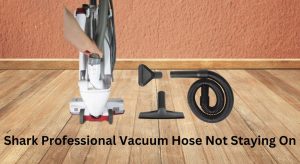
- Detach the hose: Disconnect the hose from both the vacuum body and the wand or floor nozzle.
- Inspect visually: Look through the hose to check for any visible obstructions.
- Dislodge blockages: Use a broom handle or similar long object to gently push through the hose and dislodge any blockages. Be careful not to puncture the hose.
- Flush with water: If possible, flush the hose with water to remove any remaining debris. Ensure the hose is completely dry before reattaching it.
- Reattach the hose: Reconnect the hose to the vacuum body and the wand or floor nozzle, ensuring a secure fit.
4. Clean or Replace the Filters
Why it matters: Dirty filters restrict airflow and reduce suction power.
How to fix it:
- Locate the filters: Refer to your vacuum’s manual to locate the pre-motor and post-motor filters.
- Remove the filters: Remove the filters from the vacuum.
- Clean the filters: Tap the filters gently over a trash can to remove loose dirt and debris. Rinse the foam filters with water and allow them to air dry completely (at least 24 hours) before reinstalling. Do not wash HEPA filters unless specifically instructed in the manual.
- Replace if necessary: If the filters are damaged or excessively dirty, consider replacing them. Shark recommends replacing filters every 3-6 months, depending on usage.
- Reinstall the filters: Reinstall the clean or new filters into the vacuum, ensuring they are properly seated.
5. Check the Settings and Attachments
Why it matters: Using the wrong settings or attachments can affect hair pickup.
How to fix it:
- Verify the settings: Ensure the vacuum is set to the appropriate floor type (e.g., carpet or hard floor).
- Check the attachments: Make sure you are using the correct attachment for the surface you are cleaning. For hair pickup on upholstery or stairs, use the appropriate brush or pet hair tool.
- Adjust suction control: If your vacuum has a suction control feature, adjust it to the maximum setting for optimal hair pickup.
Practical Elements
Tools/Materials
- Scissors or seam ripper
- Broom handle or similar long object
- Water
- Clean cloth
- Replacement filters (if needed)
Preparation Steps
- Read the manual: Familiarize yourself with your specific Shark Navigator Professional model’s features and maintenance instructions.
- Gather your tools: Collect all the necessary tools and materials before you begin.
- Clear the area: Ensure you have enough space to work and that the area is free from clutter.
Troubleshooting Guide
| Problem | Possible Cause | Solution |
|---|---|---|
| Vacuum not picking up hair | Full dust cup | Empty and clean the dust cup. |
| Brush roll not spinning | Tangled hair and debris | Remove tangled hair and debris from the brush roll. |
| Weak suction | Blocked hose | Check for and remove any blockages in the hose. |
| Reduced suction | Dirty filters | Clean or replace the filters. |
| Ineffective hair pickup on upholstery | Incorrect attachment/settings | Use the appropriate attachment and adjust the settings for the surface you are cleaning. |
Pro Tips
- Regular Maintenance: Perform regular maintenance, such as emptying the dust cup and cleaning the filters, to prevent performance issues.
- Preventative Measures: Cut long hair into smaller strands before vacuuming to prevent tangling in the brush roll.
- Deep Cleaning: Periodically deep clean the brush roll and filters to remove stubborn dirt and debris.
Alternatives/Variations
- Use a specialized pet hair tool: Consider purchasing a specialized pet hair tool attachment for your Shark Navigator Professional for enhanced hair pickup.
- Try a different vacuum: If you continue to experience issues, consider upgrading to a vacuum specifically designed for pet hair.
FAQ Section
Q1: How often should I clean the filters on my Shark Navigator Professional?
Clean the filters every 3 months under normal use. If you have pets or use the vacuum frequently, consider cleaning them monthly. Regular cleaning helps maintain optimal suction and performance.
Q2: Why is my brush roll not spinning even after removing tangled hair?
If the brush roll still doesn’t spin after removing hair, check the brush roll motor. It may be faulty and require replacement. Also, ensure that the brush roll is properly seated and not obstructed by any hidden debris.
Q3: Can I wash the HEPA filter in my Shark Navigator Professional?
Unless your vacuum’s manual specifically states otherwise, avoid washing the HEPA filter. Washing it can damage the filter material and reduce its effectiveness. Instead, gently tap it to remove loose dirt or replace it.
Q4: What should I do if I can’t remove a blockage from the hose?
If you can’t remove a blockage with a broom handle, try using a wet/dry vacuum to suck out the obstruction. Alternatively, you can try bending the hose in different places to loosen the blockage. If all else fails, consider replacing the hose.
Q5: How do I know when it’s time to replace the filters?
Replace the filters if they are visibly damaged, excessively dirty, or no longer provide adequate suction after cleaning. Shark recommends replacing filters every 3-6 months, depending on usage.
Q6: Why does my vacuum smell bad even after cleaning it?
A bad smell often indicates trapped dirt and bacteria in the filters or dust cup. Ensure all components are thoroughly cleaned and completely dry. You can also use a vacuum deodorizer or place a dryer sheet in the dust cup to help eliminate odors.
Tips, Warnings, and Best Practices
- Safety First: Always unplug the vacuum before performing any maintenance or troubleshooting.
- Avoid Water Damage: Ensure all parts are completely dry before reassembling the vacuum to prevent electrical damage.
- Proper Storage: Store the vacuum in a clean, dry place to prevent dust and mold buildup.
- Regular Check-ups: Periodically inspect the vacuum for any signs of wear and tear, such as cracked hoses or damaged cords.
- Follow Instructions: Always refer to your vacuum’s manual for specific maintenance and troubleshooting instructions.
Conclusion
Dealing with a Shark Navigator Professional that isn’t picking up hair can be frustrating, but by following this troubleshooting guide, you can identify and resolve the most common issues. From emptying the dust cup and cleaning the brush roll to inspecting the hose and maintaining the filters, each step is crucial in restoring your vacuum’s performance. Regular maintenance and prompt attention to potential problems will ensure your Shark Navigator Professional continues to effectively tackle hair and keep your home clean. If you’ve tried these steps and are still experiencing issues, consider contacting Shark customer support or consulting a professional appliance repair service. Take action today to keep your Shark Navigator Professional working efficiently, ensuring a cleaner and healthier home environment.