
Is your Shark Navigator vacuum cleaner losing suction power? This can be frustrating when you’re trying to keep your home clean. A vacuum without adequate suction simply pushes dirt around, leaving you with more work. Fortunately, most suction problems with Shark Navigator vacuums have easy solutions you can handle yourself.
This guide provides a comprehensive approach to diagnosing and resolving suction issues in your Shark Navigator vacuum. We’ll cover common causes, step-by-step troubleshooting, and preventative measures to keep your vacuum running at peak performance. Let’s get your Shark Navigator back to its powerful, dirt-devouring self!
Understanding Why Your Shark Navigator Loses Suction

Several factors can contribute to a loss of suction in your Shark Navigator: blockages in the hose or attachments, a full or improperly installed dust cup, dirty filters, or even a damaged brush roll. Addressing these issues promptly will not only restore suction but also extend the life of your vacuum.
Step-by-Step Troubleshooting Guide
Here’s how to troubleshoot and fix your Shark Navigator when it’s not suctioning:
1. Check the Dust Cup
The dust cup is the first place to check when you notice suction loss.
- Is it full? Empty the dust cup when it reaches the “max fill” line. Overfilling restricts airflow.
- Is it properly installed? Make sure the dust cup is securely attached to the vacuum. A loose fit creates air leaks that reduce suction.
2. Inspect the Filters
Dirty filters are a common culprit behind weak suction. Shark Navigator vacuums typically have multiple filters that need regular cleaning.
- Locate the filters: Refer to your owner’s manual for the exact location of your vacuum’s pre-motor and post-motor filters.
- Clean the pre-motor filter: Rinse the foam and felt filters under cool water until the water runs clear. Squeeze out excess water and allow them to air dry completely (at least 24 hours) before reinstalling.
- Clean the post-motor filter (HEPA filter): Gently tap the HEPA filter to remove loose dust. If it’s washable (check your manual), rinse it under cool water and allow it to air dry completely. Never use soap or detergents on the HEPA filter.
- Reinstall the filters: Ensure the filters are completely dry and properly seated before reassembling the vacuum.
Not Seeing Improvement After Cleaning? Even with careful cleaning, filters eventually degrade and lose their effectiveness. If your suction remains weak or your filters show signs of damage (tears, holes, or discoloration), it’s time for a replacement. Find genuine and compatible Shark Navigator replacement filters on Amazon.
3. Examine the Hose and Attachments
Blockages in the hose or attachments can significantly reduce suction power.
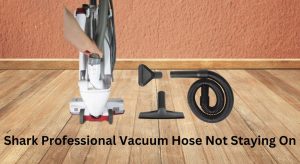
- Detach the hose: Remove the hose from both the vacuum body and the wand.
- Inspect for blockages: Look through the hose and attachments for any visible obstructions like hair, debris, or large objects.
- Remove blockages: Use a broom handle or a similar long object to dislodge any blockages. You can also try using a shop vacuum to suck out the obstruction.
- Check the wand: Disconnect the wand and check for any blockages.
- Reassemble and test: Reconnect the hose and attachments and test the suction.
4. Check the Brush Roll
A tangled or damaged brush roll can impede airflow and reduce suction.
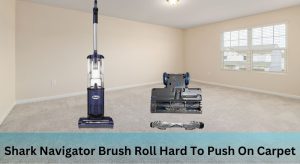
- Inspect the brush roll: Check the brush roll for tangled hair, threads, or debris.
- Clean the brush roll: Use scissors or a seam ripper to carefully cut away any tangled materials.
- Check for damage: Ensure the brush roll spins freely and isn’t damaged. If the brush roll is damaged, it may need to be replaced.
- Reinstall the brush roll: Make sure the brush roll is properly seated and secured.
Still Having Issues After Cleaning? If your brush roll is excessively worn, has broken bristles, or is warped, it won’t effectively agitate dirt and debris, hindering your vacuum’s performance. Find a variety of replacement brush rolls for your vacuum model on Amazon!
5. Inspect the Seals
Air leaks can diminish suction power. Check the seals around the dust cup, hose connections, and filter compartments.
- Check for cracks or damage: Look for any visible cracks, tears, or damage to the seals.
- Ensure proper fit: Make sure all components are fitting snugly and securely.
- Replace damaged seals: If you find damaged seals, contact Shark customer service for replacement parts.
6. Check for Blockages in the Air Pathway
Sometimes, blockages can occur in the air pathway within the vacuum body itself.
- Refer to your manual: Consult your owner’s manual for instructions on accessing the air pathway.
- Inspect for obstructions: Look for any visible obstructions in the air pathway.
- Remove blockages: Use a long, flexible object to dislodge any blockages.
Tools and Materials You Might Need
- Screwdrivers (Phillips head and flat head)
- Scissors or seam ripper
- Broom handle or similar long object
- Shop vacuum (optional)
- Clean water
- Soft cloth
- Replacement filters (if needed)
Pro Tips for Maintaining Suction
- Empty the dust cup regularly: Don’t wait until it’s completely full.
- Clean the filters monthly: Regular filter cleaning is crucial for maintaining suction.
- Check for blockages frequently: Inspect the hose and attachments regularly for obstructions.
- Replace filters as needed: Filters wear out over time and need to be replaced. Refer to your owner’s manual for recommended replacement intervals.
Troubleshooting Guide
| Problem | Possible Cause | Solution |
|---|---|---|
| Weak or no suction | Full dust cup | Empty the dust cup. |
| Dirty filters | Clean or replace the filters. | |
| Blockage in the hose or attachments | Remove the blockage. | |
| Tangled brush roll | Clean the brush roll. | |
| Vacuum overheating | Blockage restricting airflow | Check and clear any blockages in the hose, attachments, or air pathway. |
| Unusual noises | Blockage or damaged brush roll | Check for and remove any blockages. Inspect the brush roll for damage and replace if necessary. |
| Dust escaping from vacuum | Improperly installed or damaged filters | Ensure the filters are properly installed and not damaged. Replace if necessary. |
| Damaged seals | Check the seals around the dust cup, hose connections, and filter compartments. Replace if damaged. |
FAQ About Shark Navigator Suction Issues
What is the best way to clean Shark Navigator filters?
Rinse the foam and felt pre-motor filters under cool water until the water runs clear. Allow them to air dry completely before reinstalling. For the HEPA filter, gently tap it to remove loose dust or rinse if washable (check your manual), and air dry completely. Avoid using soap.
How often should I replace the filters on my Shark Navigator?
Refer to your owner’s manual for the manufacturer’s recommendations. Generally, it’s a good idea to replace the pre-motor filters every 3-6 months and the HEPA filter every year.
Why does my Shark Navigator smell bad?
A bad smell often indicates trapped dirt and bacteria in the filters or dust cup. Clean the filters and dust cup thoroughly. You can also try vacuuming a small amount of baking soda to neutralize odors.
Can I use my Shark Navigator without the filters?
No, never use your Shark Navigator without the filters. The filters protect the motor from dust and debris. Operating the vacuum without filters can damage the motor and void your warranty.
What if I can’t find the blockage?
If you’ve checked all the usual suspects and still can’t find the blockage, consult your owner’s manual for additional troubleshooting tips or contact Shark customer service for assistance.
Why is my Shark vacuum losing suction after only a few minutes of use?
This could be due to overheating caused by a blockage or a dirty filter. Check and clean the filters, hose, and brush roll. Allow the vacuum to cool down completely before using it again.
Tips, Warnings, and Best Practices
- Always disconnect the vacuum from the power outlet before performing any maintenance or repairs.
- Never submerge the vacuum body in water.
- Use only genuine Shark replacement parts to ensure proper fit and performance.
- Avoid vacuuming up sharp objects or liquids that could damage the vacuum.
- Store your Shark Navigator in a clean, dry place.
Conclusion
Don’t let a loss of suction sideline your Shark Navigator. By following these troubleshooting steps, you can quickly diagnose and resolve most common suction problems. Regular maintenance, including emptying the dust cup, cleaning the filters, and checking for blockages, is essential for keeping your Shark Navigator performing at its best. With a little care and attention, you can ensure your Shark Navigator continues to provide powerful cleaning for years to come, maintaining a clean and healthy home environment.