
That stubborn fish smell clinging to your cabinets after dinner, the acrid ghost of burnt toast, or the sour note from forgotten leftovers can transform your kitchen from a welcoming space into an unpleasant chore zone. Kitchen odors aren’t just annoying—they signal trapped grease, lingering bacteria, or absorbed compounds that worsen over time. When strong smells like yesterday’s curry or last week’s spoiled milk persist, they seep into porous surfaces, making quick fixes ineffective. But you don’t need commercial sprays or expensive gadgets. By targeting odors at their source with science-backed tactics, you can eliminate smells completely—not just mask them. This guide delivers actionable steps to remove kitchen odors fast, using methods proven to neutralize compounds at a molecular level. You’ll learn exactly how to tackle burnt food, fishy residues, and sour smells while building habits that keep your kitchen fresh daily.
Stop reacting to odors and start erasing them. Whether you’re dealing with a minor onion scent or a major fish-fry aftermath, these techniques work immediately and last. Forget temporary air fresheners; we’ll focus on ventilation, source elimination, and natural neutralizers that permanently reset your kitchen’s air quality.
Run Your Range Hood 30 Minutes After Cooking to Trap Odor Molecules
Your exhaust fan isn’t just for show—it’s the first line of defense against airborne grease and volatile compounds. Most people turn it off the moment cooking ends, but that’s when odors infiltrate walls and fabrics. Run your externally vented hood for 15–30 minutes after finishing to pull lingering particles outside. This critical window captures microscopic odor molecules before they settle. For maximum impact, set the fan to high during cooking and keep it running while you clean up. If your hood lacks external venting, it merely recirculates air, making cross-ventilation essential.
Open Opposite Windows to Create Instant Air Exchange
Don’t rely on a single open window—it creates stagnant air pockets. Instead, open two windows on opposite sides of your home to generate cross-breeze airflow. Start with the downwind window (where air exits), then open the upwind window (where fresh air enters). This vacuum effect flushes odor-filled air out 3x faster than passive ventilation alone. During heavy cooking like frying fish or simmering cabbage, add a box fan in an exit-window facing outward to accelerate the process. You’ll notice the difference in under 10 minutes as stale air gets forcibly replaced.
Neutralize Burnt Food Smells in 30 Minutes With Vinegar Steam

Burnt odors embed in air particles and oven surfaces, making them notoriously stubborn. Immediate action prevents permanent absorption. First, remove the scorched pot outside while it’s still hot—this stops smoke dispersion. Next, fill a clean saucepan with 4 cups of water and add 3 tablespoons of white vinegar. Boil for 20 minutes; the acetic acid bonds with burnt particles, neutralizing them at a molecular level. Keep windows open during this process to vent steam. For oven-specific smells, microwave a bowl of this solution for 5 minutes to loosen baked-on residue, then wipe with baking soda paste.
Why Vinegar Works Better Than Lemon for Burnt Odors
While citrus masks smells, vinegar’s low pH actively breaks down alkaline burnt compounds. Skip the lemon slices here—they lack the acetic acid concentration needed for severe scorching. For extra-stubborn cases, add a sliced onion to the vinegar-water mix; its sulfur compounds accelerate odor neutralization. Never use bleach, which creates toxic fumes when heated.
Eliminate Fish Odors With Acidic Surface Decontamination
Fish smells stem from alkaline amines that cling to skin, wood, and plastic. Neutralizing them requires immediate acidic treatment—not just wiping. After handling seafood, scrub knives and cutting boards with a paste of 3 parts baking soda to 1 part lemon juice. The abrasion lifts residues while citric acid neutralizes amines. Rinse with a 1:1 vinegar-water spray to ensure complete decontamination. For lingering air smells, simmer water with ½ cup vinegar and lemon halves for 15 minutes—never use air fresheners, which trap compounds in fabrics.
How to Clean Your Garbage Disposal After Fish Prep
Grind citrus peels (orange or lemon) with ice cubes for 30 seconds to scour disposal blades. Then pour ½ cup baking soda followed by ½ cup vinegar down the drain. The fizzing reaction breaks down organic gunk where odors breed. Wait 15 minutes before flushing with cold water. Skip commercial cleaners—they often leave chemical residues that mix poorly with future fish prep.
Destroy Sour Smells From Spoiled Food With Targeted Disinfection
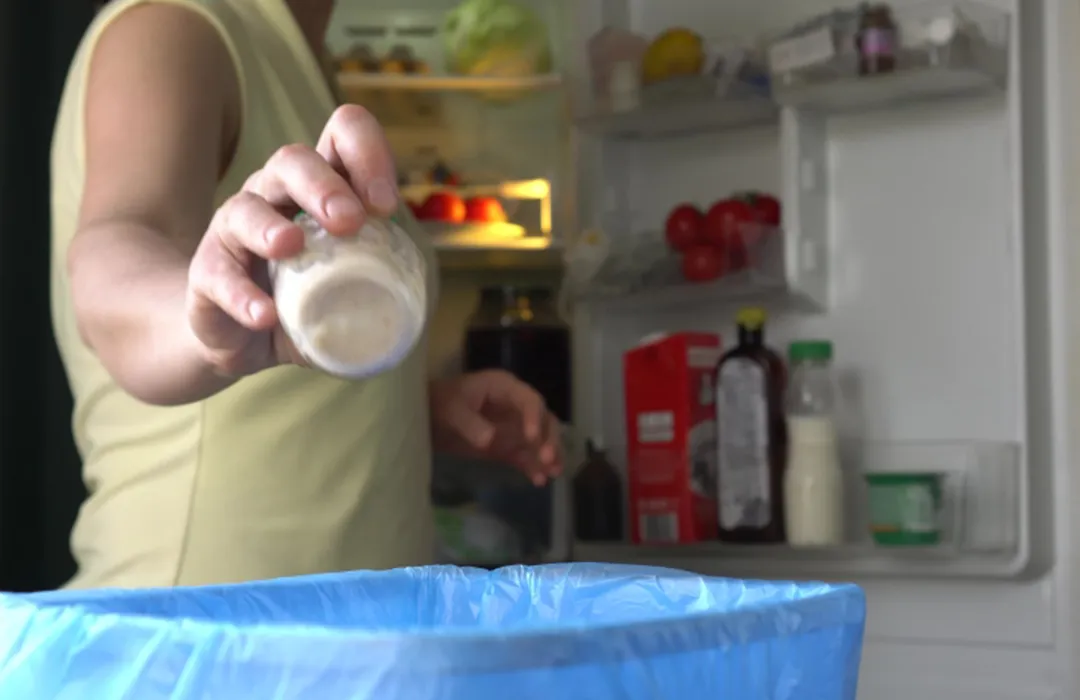
Sour odors signal bacterial growth from spills or forgotten items. General cleaning won’t suffice—you must kill the source microbes. First, locate and discard the offender (check fridge drip trays, under sink pipes, or pantry corners). Then disinfect affected surfaces with a 1:10 bleach-water solution or commercial disinfectant. Wipe for 5 minutes of contact time to ensure full microbial kill. Finally, place activated charcoal bags (not baking soda) in enclosed spaces like cabinets overnight—they absorb residual volatile acids better than any other passive method.
Why Baking Soda Fails for Sour Smells (And What Works)
Baking soda only neutralizes acidic odors (like vinegar), but sour smells are acidic themselves. Alkaline baking soda can’t break them down. Activated charcoal’s porous structure traps these molecules physically. After disinfecting, leave a bowl of dry coffee grounds in the area—they absorb lingering notes without chemical reactions.
Place Baking Soda in These 3 Critical Spots for 24/7 Odor Absorption
Baking soda excels against everyday cooking odors but only works where air circulates. Position open containers strategically:
– Inside your refrigerator (replace monthly)
– Under the sink near pipes and traps
– Beside the trash can (use a shallow dish)
For high-traffic kitchens, refresh boxes every 2 weeks—the neutralizing capacity depletes as it absorbs compounds. Never rely on a single box; odors concentrate in specific zones. In steamy areas like near dishwashers, opt for sealed baking soda bags to prevent clumping.
Use Activated Charcoal Bags to Trap Odors 5x Longer Than Baking Soda
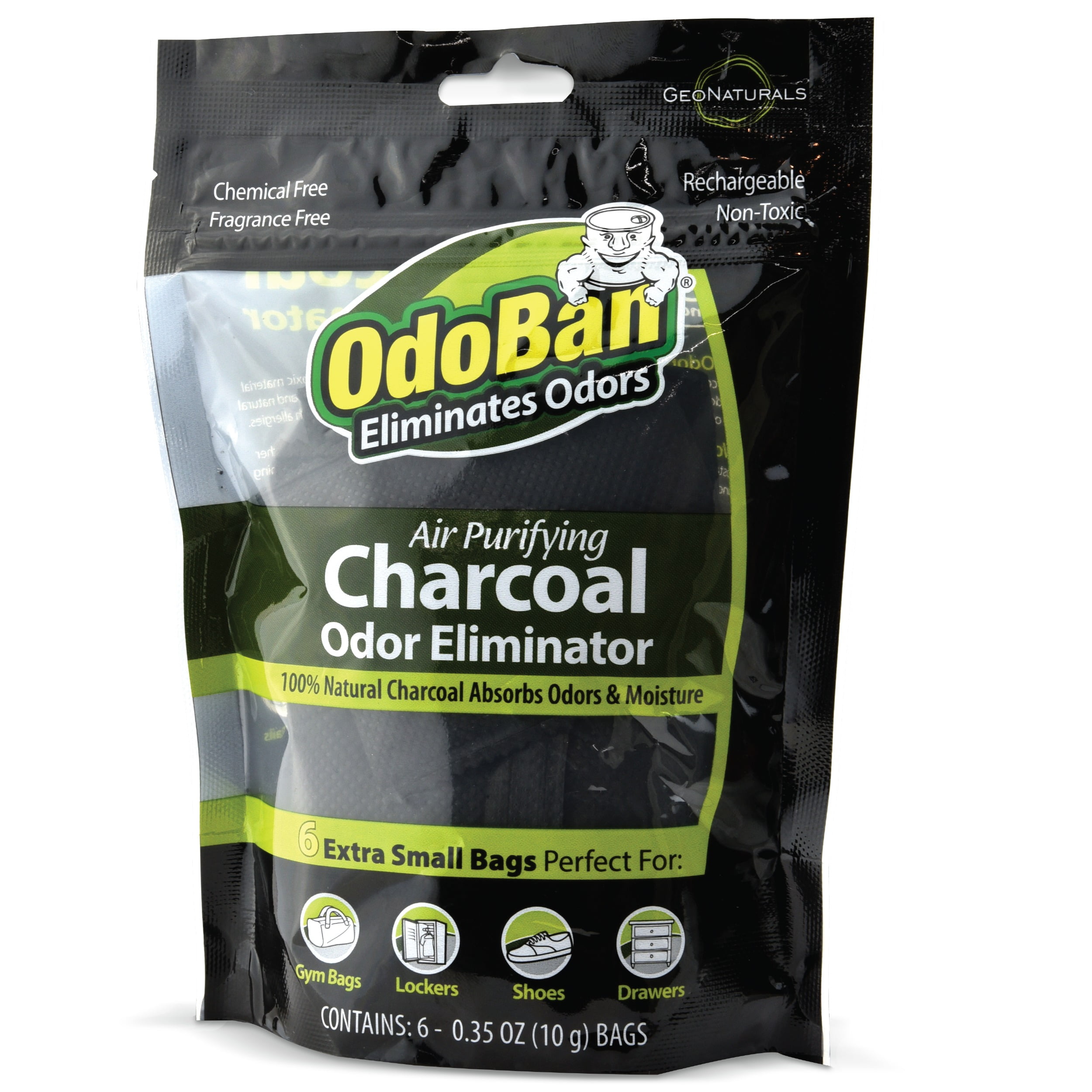
Activated charcoal’s microscopic pores absorb molecules baking soda can’t reach, making it ideal for persistent smells like garlic or onions. Place 200g bags in problem areas:
– Inside pantry shelves
– Behind the refrigerator
– Under sink cabinets
Unlike baking soda, it remains effective for 2–3 months before needing sun rejuvenation. For severe cases (like spoiled meat spills), combine with vinegar steam—charcoal traps airborne particles while vinegar neutralizes surfaces.
Fix Sink and Drain Odors With the Baking Soda-Vinegar Flush
Drains harbor organic gunk where odors multiply. Monthly maintenance prevents buildup:
1. Pour ½ cup baking soda down the drain
2. Add ½ cup white vinegar immediately
3. Cover the drain to contain the reaction
4. Wait 15 minutes before flushing with hot water
This dissolves grease and neutralizes hydrogen sulfide (the rotten-egg gas). For garbage disposals, freeze vinegar into ice cubes and grind them with lemon peels weekly to scrub blades. Skip chemical drain cleaners—they corrode pipes and worsen smells long-term.
Simmer Stovetop Potpourri to Neutralize Lingering Cooking Smells
Simmering aromatics doesn’t just mask odors—it breaks down compounds via steam diffusion. Boil this exact mix:
– 4 cups water
– 1 sliced lemon
– 2 cinnamon sticks
– 1 tbsp whole cloves
Simmer gently for 30+ minutes (add water as needed). The citrus oils bind to odor molecules while cinnamon’s cinnamaldehyde oxidizes them. For fish or curry smells, add 2 tsp vanilla extract—the alcohol carries neutralizing compounds deeper into the air. Never leave unattended; simmering is 10x more effective than candles for odor removal.
Seal Pungent Leftovers and Take Out Trash Daily to Prevent Odors
Prevention beats correction. Adopt these two non-negotiable habits:
– Store strong leftovers (curry, fish, kimchi) in glass containers inside zip-top bags before refrigerating
– Take out trash daily even if the bag isn’t full—food scraps release odor compounds within hours
Airtight containers prevent molecule migration, while frequent disposal stops bacterial growth at the source. For trash cans, sprinkle baking soda in the bottom before lining—it absorbs juices before they seep into plastic.
Banishing kitchen odors isn’t about one magic trick—it’s a layered system targeting ventilation, source elimination, and molecular neutralization. Start with your exhaust fan and cross-ventilation to stop odors spreading, then deploy vinegar steam or baking soda flushes for immediate fixes. For lasting freshness, place activated charcoal in hidden zones and seal pungent foods properly. Within 48 hours of implementing these steps, your kitchen air will feel genuinely clean—not just perfumed. Remember: odors return if you skip source control, so make post-cooking ventilation and daily trash removal non-negotiable. Your nose (and guests) will notice the difference immediately.


