
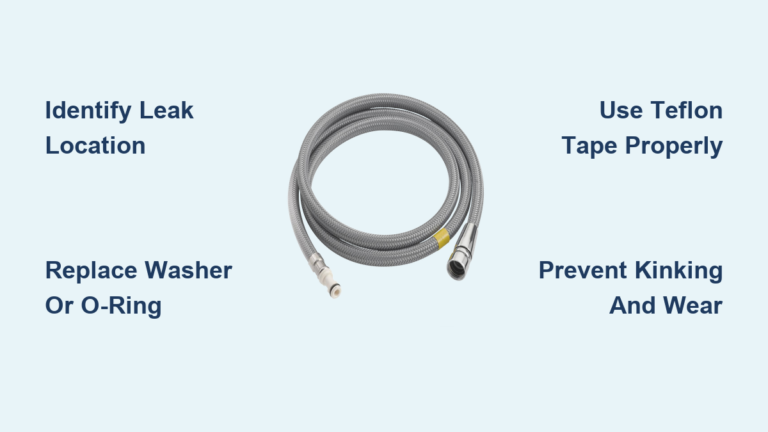
That steady drip from your kitchen faucet sprayer isn’t just annoying—it’s wasting gallons of water daily and could cause serious cabinet damage if ignored. When your kitchen faucet hose develops leaks or stops spraying properly, you don’t need to panic or call a plumber immediately. Most sprayer hose issues are easily fixable with basic tools and 30 minutes of your time. Whether it’s a slow drip at the connection point or a complete spray failure, this guide shows you exactly how to diagnose and repair common kitchen faucet hose problems. You’ll learn to pinpoint leaks, replace worn components, and prevent future failures—all while saving $150+ on service calls.
Pinpointing Your Kitchen Faucet Hose Leak Location
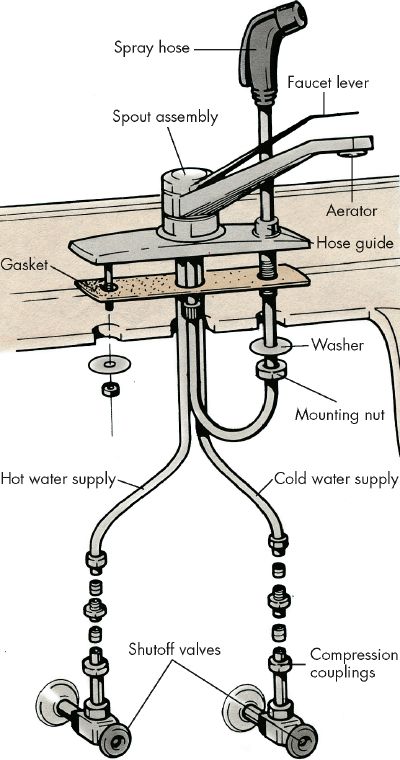
Before grabbing tools, you must identify exactly where water escapes. Misdiagnosing the leak location leads to wasted effort and repeated repairs. Start by drying the entire hose assembly with a towel, then run water through the sprayer while observing carefully. The leak will reveal itself within seconds at one of three critical failure points.
Where Kitchen Faucet Hose Leaks Actually Start
Leaks almost never occur randomly along the hose length—they concentrate at stress points. First, check the faucet-body connection under your sink where the hose meets rigid plumbing. This threaded joint suffers constant pressure shifts and is prone to washer failure. Next, inspect the spray head connection where the hose attaches to the detachable nozzle. This high-movement area wears out seals rapidly from daily use. Finally, examine the hose midsection for abrasion damage where it rubs against cabinet edges or kinks during storage. Run your fingers along the entire hose—you’ll feel pinholes or soft spots long before visible leaks appear.
Critical Leak Locations and Their Real Causes
- Under-Sink Connection Leaks: Caused by degraded rubber washers or loose fittings from vibration. You’ll see water pooling around the threaded connection point. Pro tip: If you spot mineral buildup here, it indicates slow seepage that’s been ongoing for months.
- Spray Head Drips: Usually means a cracked O-ring inside the nozzle assembly. Test by unscrewing the head—water will stream from the hose end if the seal is compromised. Warning: Forcing a stuck spray head can crack plastic threads—wrap it in a cloth before using pliers.
- Mid-Hose Leaks: Result from kinking or abrasion against sharp cabinet edges. Pinholes often appear where the hose bends near the faucet base. Visual cue: Look for whitish mineral deposits tracing the leak path—this shows exactly where to focus repairs.
Always shut off both hot and cold water valves under the sink before inspection. Relieve pressure by opening the faucet, then squeeze the spray trigger to empty residual water from the hose.
Tools and Safety Prep for Kitchen Faucet Hose Repairs

Gathering the right equipment prevents mid-repair frustration and ensures you don’t create new problems. Many DIYers skip critical safety steps, leading to flooded cabinets or stripped fittings. This isn’t the project to improvise with inappropriate tools.
Must-Have Tools for Sprayer Hose Fixes
- Adjustable wrench or basin wrench (for tight under-sink spaces)
- Slip-joint pliers (with rubber grips to protect chrome finishes)
- Fresh Teflon tape (not old, brittle tape from the junk drawer)
- Replacement washers or O-rings (match size to your faucet model)
- Flashlight and shop towels (for leak detection and water containment)
- Bucket (place under connections before loosening)
Pro tip: Keep a magnet nearby—small washers love to jump into dark sink cavities.
Water Shut-Off Steps That Prevent Disasters
- Locate shutoff valves under the sink (turn clockwise until tight—don’t force corroded valves).
- Open faucet handles to drain lines (prevents pressure explosions when disconnecting).
- Squeeze spray trigger for 10 seconds to empty hose (critical for accurate leak diagnosis).
- Place towels under connections before loosening anything (catches residual drips).
Warning: If shutoff valves leak when turned, stop immediately—you’ll need professional help for valve replacement before fixing the hose.
Kitchen Faucet Hose Repair Procedures That Actually Work
Now for the fix. Most leaks stem from three problem areas, each requiring specific solutions. Skip generic “tighten the connection” advice—over-tightening cracks plastic fittings. Follow these model-specific repair sequences instead.
How to Fix a Leaking Faucet-to-Hose Connection
This under-sink leak causes the most water damage due to constant dripping into cabinets.
- Disconnect carefully: Hold the faucet body steady with one wrench while loosening the hose nut with another (prevents twisting internal plumbing).
- Inspect the washer: Remove the rubber gasket—replace if flattened, cracked, or hardened. Critical: Take the old washer to the hardware store for exact matching—faucet brands use proprietary sizes.
- Seal threads properly: Wrap Teflon tape clockwise around male threads (2-3 tight layers). Never reuse old tape—it won’t seal.
- Reconnect correctly: Hand-tighten the nut first, then give a 1/4-turn with wrench. Over-tightening by 1/2 turn cracks modern plastic fittings.
Time estimate: 15 minutes. Success test: Zero drips after 5 minutes of continuous spraying.
Fixing a Dripping Spray Head Connection
When water leaks where the hose meets the spray nozzle, it’s almost always a failed internal seal.
- Remove the spray head: Unscrew counterclockwise (use pliers wrapped in cloth to avoid scratches).
- Find the hidden O-ring: It sits in a groove inside the nozzle or on the hose end. Look for dark discoloration—a sign of mineral corrosion.
- Replace the seal: Lubricate the new O-ring with petroleum jelly (not water—it washes away) before seating it.
- Reassemble gently: Hand-tighten the nozzle until snug—overtightening distorts the seal.
Pro tip: Soak the spray head in vinegar overnight if mineral deposits clog the spray holes—this restores full pressure.
Repairing a Leaking Hose Midsection (Without Replacement)
Important: True mid-hose leaks rarely fix permanently. But for temporary patching when replacement parts aren’t available:
- Dry and clean: Sand the leak area lightly with fine-grit paper.
- Apply epoxy putty: Press waterproof epoxy firmly over the pinhole (follow package cure times).
- Reinforce: Wrap tightly with self-fusing silicone tape as a secondary barrier.
Crucial reality check: This is a 48-hour emergency fix only. Schedule hose replacement immediately—epoxy fails under constant pressure.
When to Stop DIY and Call a Plumber
Some situations demand professional intervention. Don’t risk flooding your kitchen chasing a “simple” fix.
Call a plumber immediately if you see:
– Water leaking from the faucet base (indicates cartridge failure)
– Corroded or stripped connection threads that won’t seal
– No water flow after repair (suggests internal clogs or valve issues)
– Visible water damage to cabinet structures
Cost reality: A $25 hose replacement becomes a $300 cabinet repair if ignored. When in doubt, shut off water and call a pro.
Preventing Kitchen Faucet Hose Failures Before They Start

Avoid repeat repairs with these manufacturer-backed maintenance habits. Most hose failures stem from preventable wear patterns.
Daily Habits That Extend Hose Life
- Never yank the hose to full extension—pull gently to avoid stressing connections
- Store the spray head in its dock without tension (prevents kink-induced cracks)
- Wipe mineral deposits monthly from spray nozzles with vinegar-soaked cloth
Critical Maintenance Schedule
| Task | Frequency | Why It Matters |
|---|---|---|
| Inspect connections | Monthly | Catches leaks before major damage |
| Replace O-rings | Every 2 years | Prevents sudden seal failures |
| Flush spray head | Quarterly | Removes mineral buildup causing low pressure |
| Full hose replacement | Every 5 years | Stops age-related material fatigue |
Pro insight: Braided stainless steel hoses last 2x longer than rubber—but cost $5 more. Always worth the upgrade.
Fixing a leaking kitchen faucet hose is one of the most cost-effective DIY repairs you can make. By targeting the exact failure point with the right techniques, you’ll stop water waste immediately and prevent costly cabinet damage. Remember: 90% of leaks come from worn washers or improper reassembly—not the hose itself. Keep replacement O-rings in your toolkit, and always shut off water before starting. For persistent issues or signs of faucet body damage, don’t hesitate to call a professional—the $150 service call beats $1,000 in water damage repairs. Implement the monthly maintenance checklist, and your sprayer will deliver reliable performance for years. Now that you’ve mastered this repair, tackle that dripping bathroom faucet next—many techniques overlap!


