
That once-bright grout between your kitchen counter tiles has turned dingy yellow, stained with coffee rings, or darkened by years of grease exposure. When you run your finger along those lines, you can feel the grit trapped in the porous surface—evidence of countless meals prepared, spills wiped, and crumbs that found their way into this hard-to-reach space. Unlike bathroom grout, kitchen counter grout faces unique challenges: constant exposure to food particles, cooking oils, acidic substances, and the critical food safety concerns that come with preparing meals in this space. Left untreated, dirty grout doesn’t just look bad—it can harbor bacteria, mold, and become a genuine health hazard where you prepare food. The good news? You don’t need expensive professional services to restore your kitchen counter grout. This guide reveals exactly how to clean grout in kitchen counter surfaces using methods ranging from simple pantry staples to targeted solutions for even the most stubborn, decades-old stains.
Essential Tools for Cleaning Kitchen Counter Grout Lines

Before tackling your kitchen counter grout, gather these specific tools designed for the tight spaces and food safety requirements of kitchen surfaces. Unlike bathroom grout cleaning, kitchen counter work demands food-safe solutions and careful attention to avoid cross-contamination. You’ll need rubber gloves (nitrile works best with cleaning solutions), safety glasses to protect from splashes, a stiff-bristled grout brush or dedicated grout cleaning tool that fits the narrow lines between your tiles, white vinegar (not apple cider), hydrogen peroxide (3%), baking soda, microfiber cloths (color-coded to avoid cross-contamination with food prep areas), and a small spray bottle. For tougher jobs, include oxygen bleach powder like OxiClean and a soft-bristled toothbrush designated solely for cleaning—never for personal hygiene. Keep old towels nearby to immediately clean up any runoff that might contact your food preparation surfaces.
Immediate Steps to Prepare Your Countertop for Grout Cleaning
Clear your kitchen counter completely—remove appliances, cutting boards, and any items that sit directly on the surface. This isn’t just about access; it prevents accidentally contaminating your food prep tools with cleaning solutions. Start by vacuuming the countertop with a brush attachment to remove loose crumbs and debris from tile surfaces and grout lines—this prevents you from grinding particles deeper during scrubbing. Next, address any visible grease buildup with a degreaser or dish soap solution applied with a soft cloth, focusing on areas near the stove where cooking oils accumulate most. Wipe down the entire counter surface with clean water to remove any residual grease before beginning grout-specific cleaning. Crucially, ensure your kitchen is well-ventilated by opening windows or turning on exhaust fans—this is especially important when using vinegar or hydrogen peroxide solutions in your food preparation area.
Why Proper Prep Prevents Damage to Your Countertop
Skipping these preparation steps risks embedding dirt deeper into grout pores or causing discoloration from improper cleaning techniques. Many homeowners make the mistake of jumping straight to scrubbing without removing surface debris first, which actually grinds particles into the grout and makes stains worse. For food safety, always clean from back to front—starting near the wall and working toward the edge—to prevent dirty water from running onto already-cleaned sections. Test any cleaning solution in an inconspicuous corner first to ensure it won’t discolor your specific tile or grout color, especially important for colored grout in kitchen environments.
Baking Soda Paste: The Non-Toxic Method for Mild Grout Stains
For routine kitchen counter maintenance or light discoloration, baking soda paste offers a food-safe, non-toxic solution that won’t risk contaminating your food preparation surfaces. Mix 3 parts baking soda with 1 part water to create a thick, spreadable paste—similar to toothpaste consistency. Using a gloved finger or small spatula, apply this paste directly into the grout lines, focusing on visibly stained areas near the sink or stove where grease accumulates. Let the paste sit for 10-15 minutes to allow its mild abrasive properties to break down surface grime. Then, scrub gently with a stiff-bristled grout brush using back-and-forth motions along the grout lines (not circular motions, which can push dirt sideways). Rinse thoroughly with clean water and dry immediately with a microfiber cloth. This method works surprisingly well for weekly maintenance without introducing harsh chemicals near your food prep area.
Hydrogen Peroxide Boost: Breaking Down Stubborn Kitchen Grout Stains
When baking soda alone doesn’t cut through years of grease and food stains, hydrogen peroxide provides powerful stain-lifting action without the food safety risks of chlorine bleach. Create a thick paste by mixing baking soda with 3% hydrogen peroxide (not the higher concentrations used for hair) until it reaches a toothpaste-like consistency. Apply this paste directly to problem areas using a toothpick or small brush to ensure it penetrates deep into the grout lines. Let it sit for 30-60 minutes—this dwell time is crucial as the oxygen molecules work to break down organic stains from food and grease. For extra stubborn stains, cover the treated areas with plastic wrap to prevent drying. After the waiting period, scrub with a stiff brush, rinse thoroughly with clean water, and dry completely. This method effectively tackles the darkened grout that commonly appears along backsplashes where cooking splatters accumulate.
How Hydrogen Peroxide Targets Kitchen-Specific Stains
Unlike bathroom mold, kitchen grout discoloration often comes from cooking oils, coffee spills, and tomato-based sauces—organic compounds that hydrogen peroxide breaks down at a molecular level. The bubbling action you see when applying the paste indicates the oxygen release that’s lifting stains without harsh chemicals. This makes it particularly valuable for food preparation areas where chemical residue could potentially contaminate food. For white or light-colored grout, this method restores brightness without the risk of yellowing that sometimes occurs with chlorine bleach in kitchen environments.
Oxygen Bleach Deep Clean: Removing Decades of Built-Up Grime
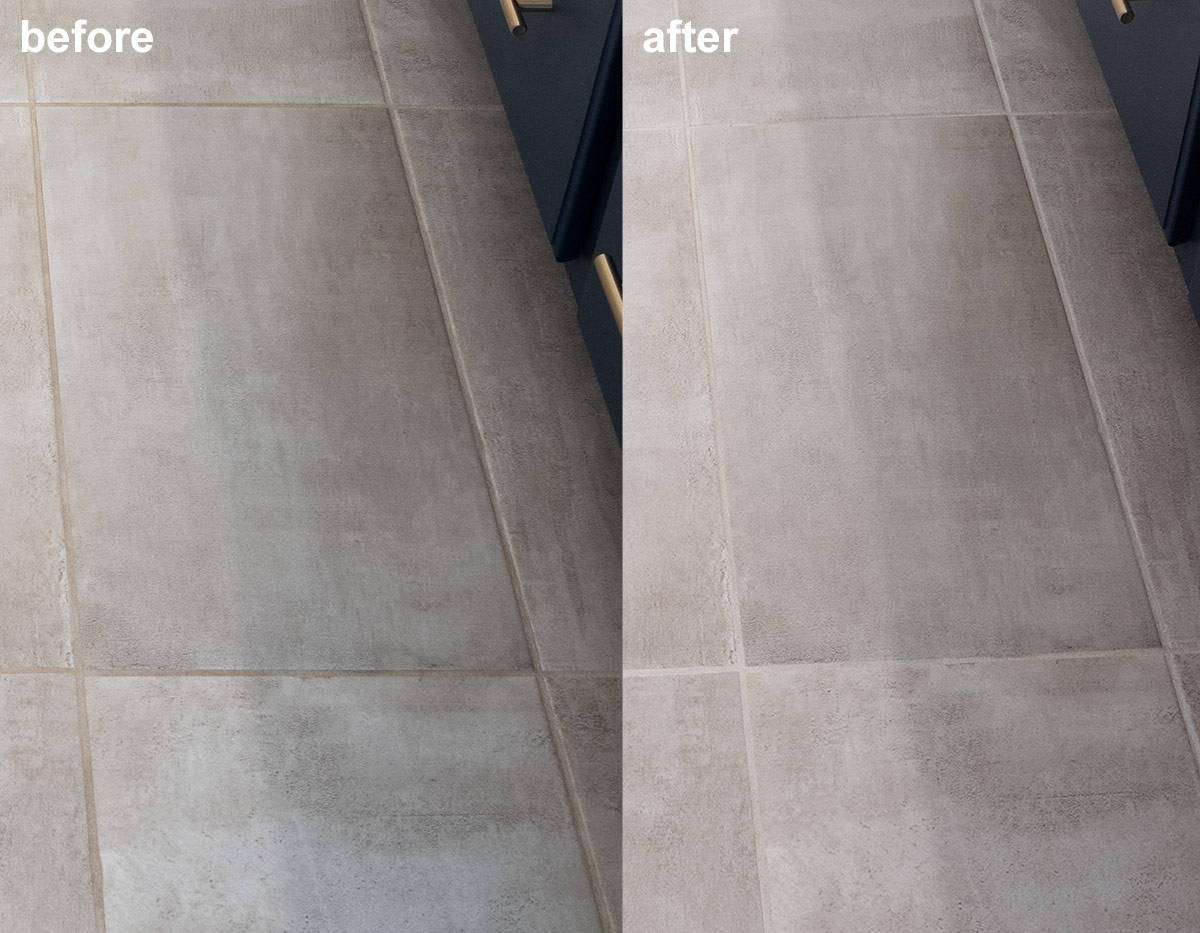
For kitchen counter grout that’s turned dark brown or black from years of neglect, oxygen bleach (sodium percarbonate) delivers professional-level results without the dangers of chlorine bleach near food surfaces. Mix oxygen bleach powder with just enough warm water to create a thick paste—thicker than pancake batter. Apply generously to all grout lines using a small spatula or the edge of a credit card, ensuring complete coverage. Let the paste dry completely (2-4 hours), during which time it pulls embedded grease and stains to the surface. As it dries, you’ll notice the paste turning yellow or brown—the visual proof it’s working. Once dry, scrub vigorously with a stiff brush, rinse thoroughly with clean water, and dry completely. This method safely removes the deep-set grime that baking soda can’t touch, without compromising food safety in your kitchen.
When to Use Acid Cleaners for Mineral Deposits in Kitchen Grout
Hard water stains and mineral buildup around kitchen sinks require a different approach than organic stains. For white, chalky deposits along your sink’s grout lines, a diluted vinegar solution (1 part white vinegar to 4 parts water) works for mild cases. Spray on, let sit for 5 minutes, then scrub. For severe limescale or rust stains near faucets, Zep Calcium, Lime & Rust Remover provides stronger action—but use with extreme caution in kitchen environments. Apply only to affected areas with a cotton swab, wait no longer than 2 minutes, then scrub and rinse thoroughly with clean water multiple times to eliminate any residue. Never mix acid cleaners with other solutions, and always wear gloves and eye protection. Test in an inconspicuous area first, as acids can damage some colored grouts.
Sealing Your Kitchen Counter Grout After Cleaning: The Critical Step
The single most important step after cleaning kitchen counter grout is proper sealing—this transforms your porous grout into a food-safe surface that repels grease and moisture. After your deep clean, allow grout to dry completely for 24-48 hours before applying a penetrating grout sealer. Use a small foam brush or cotton swab to apply sealer directly into grout lines, avoiding tile surfaces. Wipe away excess immediately with a clean cloth. Allow to dry according to manufacturer instructions (usually 4-6 hours), then apply a second coat. Quality sealers last 1-2 years in kitchen environments but require reapplication when water no longer beads on the surface. This barrier prevents future stains from setting in and makes routine cleaning significantly easier—critical for maintaining food safety in your preparation area.
How Proper Sealing Prevents Bacterial Growth
Unsealed grout in kitchen counters creates a breeding ground for bacteria like E. coli and salmonella that can transfer to food. The sealer fills microscopic pores where bacteria hide, creating a smooth surface that wipes clean. In food preparation areas, this isn’t just about appearance—it’s a critical food safety measure that professional kitchens follow strictly. Check your sealed grout monthly by sprinkling water droplets; if they absorb rather than bead up, it’s time to reseal.
Daily Maintenance Habits to Prevent Grout Discoloration in Kitchens
Prevent future grout problems with these kitchen-specific habits: wipe counter grout lines with a damp microfiber cloth immediately after food preparation, especially after handling tomatoes, coffee, or oils. Apply a weekly maintenance spray of equal parts water and white vinegar to grout lines, letting it sit for 5 minutes before wiping—this prevents grease buildup without harsh chemicals. Keep cutting boards over grout lines during food prep to prevent direct contact with raw foods. Most importantly, address spills immediately rather than letting them sit; the longer stains penetrate, the harder they become to remove. For high-traffic kitchen areas, consider reapplying a light coat of grout sealer every 6 months to maintain that protective barrier against kitchen-specific contaminants.
By implementing these targeted methods for how to clean grout in kitchen counter surfaces, you’ll transform unsightly, potentially hazardous grout lines into clean, food-safe surfaces that enhance rather than detract from your kitchen’s functionality. Remember that kitchen counter grout requires different care than bathroom grout due to food safety concerns—prioritize non-toxic solutions and proper sealing to maintain a hygienic food preparation environment. With regular maintenance using these techniques, your kitchen counter grout can stay bright and clean for years, eliminating that constant visual reminder of kitchen messes and creating a genuinely sanitary food preparation space.


