Your clothes feel like wet towels before you’ve even reached the trailhead. Every step releases a fresh wave of sweat that refuses to evaporate. This isn’t just a hike—it’s a full-body steam bath with uphill resistance. For anyone who’s tackled trails in the Southeastern U.S., Florida swamps, or muggy mountain valleys, hiking in high humidity transforms a routine adventure into a grueling endurance test where your own sweat becomes the enemy.
The problem isn’t just heat—it’s the air’s inability to absorb moisture. When humidity hits 80% or higher, your body’s cooling system fails. Sweat pools instead of evaporating, your core temperature climbs rapidly, and what should be a 3-hour hike becomes a 5-hour battle against heat exhaustion. But here’s the good news: thousands of hikers conquer humid trails daily by mastering specific strategies that most guidebooks never mention.
Why Your Body Overheats Faster in High Humidity Than Dry Heat
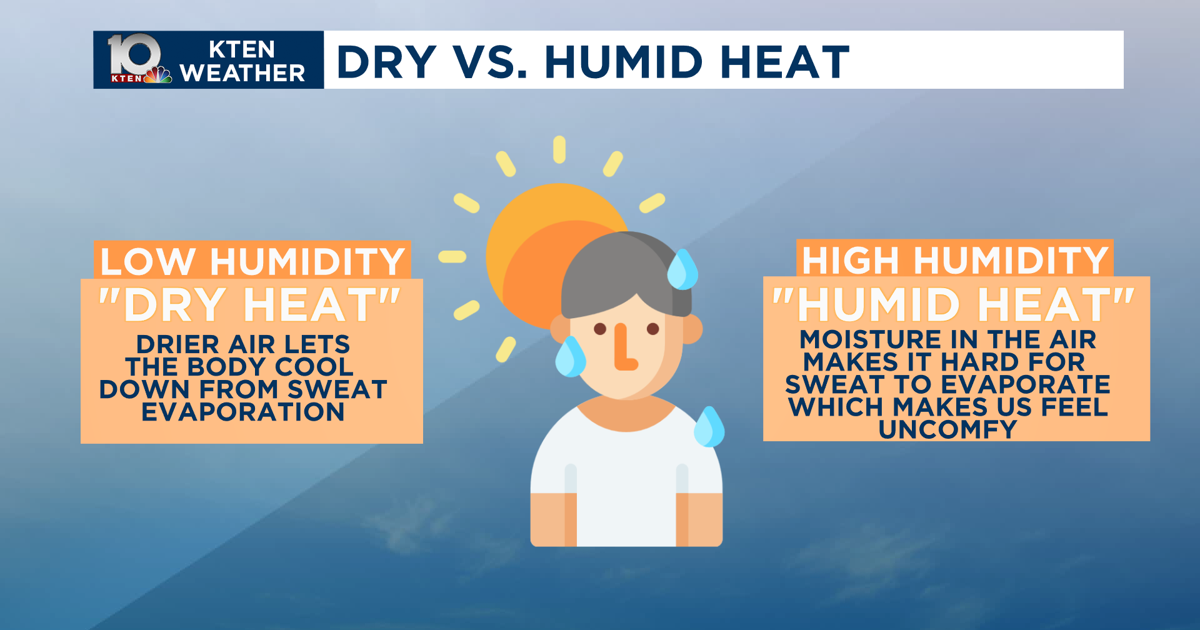
High humidity creates a perfect storm for heat stress because your primary cooling mechanism—sweat evaporation—becomes ineffective. In dry heat, sweat evaporates quickly, carrying heat away from your skin. But when the air is already saturated with moisture (as it often is at 6:30 AM in the Smokies), that sweat just sits on your skin, accomplishing nothing while your body continues producing more.
Recognizing early signs of heat stress before it’s too late could save your life. Watch for these subtle indicators that most hikers ignore until it’s critical:
– Your sweat suddenly stops despite continued exertion
– Your heart rate spikes at a pace that previously felt comfortable
– You feel unusually thirsty or your mouth becomes excessively dry
– Your vision slightly blurs or you experience mild dizziness
When humidity exceeds 90%, your body works 30-40% harder to maintain the same pace. A 10-mile trail that normally takes 3 hours might require 5 hours in these conditions. Pushing through without adjusting your expectations is the fastest route to heat exhaustion.
5:00 AM Starts: Why Dawn Is Your Best Ally Against Humid Trails
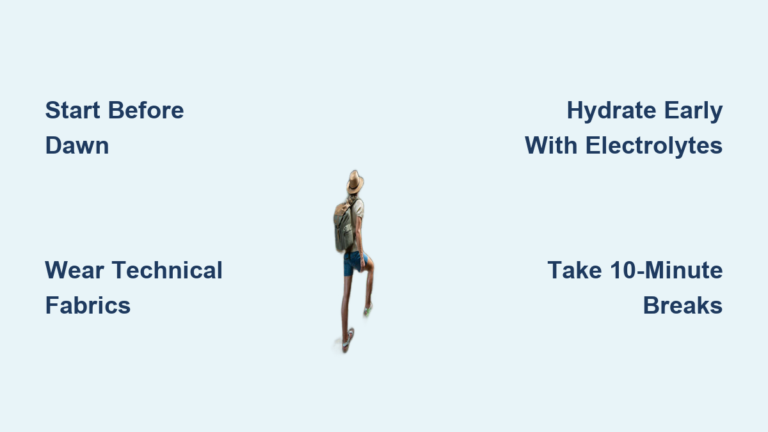
Morning temperatures in humid regions often feel pleasantly cool—until you realize it’s already 75°F with 90% humidity at 6:00 AM. The sweet spot for hiking in high humidity begins before sunrise and ends before 9:00 AM, when the real heat sets in. By starting at first light, you complete your most strenuous miles while conditions are merely uncomfortable rather than dangerous.
How to execute the perfect pre-dawn hike in muggy conditions:
1. Pack your gear the night before with headlamp batteries freshly checked
2. Prepare electrolyte water the evening prior (don’t wait until you’re thirsty)
3. Set two alarms—one for home departure, one for trailhead arrival
4. Bring a lightweight packable rain jacket (early mornings can feel surprisingly cool)
5. Plan to finish by 10:00 AM when humidity typically peaks
Many experienced Southern hikers implement seasonal shift strategies that might surprise newcomers. Instead of battling summer humidity, they:
– Switch primary hiking season to October-April when humidity drops
– Replace dry-land hikes with kayaking or paddleboarding during peak humidity months
– Target higher elevation trails above 1,000 feet where temperatures drop noticeably
– Wait for rainy days when humidity is high but temperatures are lower
Your Non-Negotiable Gear List for Humid Climate Hiking

Why cotton kills: The fabric science you need to know isn’t just hiker hyperbole—it’s physiological reality. Cotton absorbs moisture but releases it extremely slowly. When saturated with sweat (which happens quickly in high humidity), it becomes a heavy, chafing second skin that actively prevents cooling. Your clothing must perform two critical functions: wick moisture away from your skin and dry rapidly.
Trail runner vs. waterproof boot: Which breathes better in 90% humidity? The answer is unequivocal—choose highly ventilated trail runners every time. Waterproof membranes trap moisture inside your shoe, creating a perfect environment for blisters. Combine mesh-uppered shoes with moisture-wicking merino wool socks, and carry a second dry pair to change into at the halfway point.
Your essential humid-hike clothing checklist:
– Top: Light-colored, loose-fitting sun hoodie made of technical fabric
– Bottom: Convertible hiking pants with zip-off legs or lightweight shorts
– Footwear: Well-ventilated trail runners with drainage ports
– Socks: Merino wool or synthetic blend (never cotton)
– Accessories: Wide-brimmed hat with neck flap, cooling bandana
Hydration Hacks That Go Beyond Just Drinking Water
The ice-cold bladder trick that keeps you cool for hours has transformed humid hiking for thousands. Freeze your hydration reservoir 50-75% full the night before (leave room for expansion), then top it off with water in the morning. The ice-cold water flowing through your tube provides immediate cooling, while the reservoir against your back acts as personal AC. Many hikers report this simple hack extending their comfortable hiking window by 2+ hours.
Electrolyte timing: When to start replenishing before you feel thirsty is critical. By the time you feel thirsty in high humidity, you’re already significantly dehydrated. Begin with electrolyte-enhanced water before starting your hike, and sip continuously rather than drinking large amounts infrequently. For hikes over 2 hours, use one of these proven methods:
– Add electrolyte tablets to your primary water supply
– Carry salty snacks like pretzels or nuts for mid-hike boosts
– Alternate between plain and electrolyte water bottles
Carry 50% more water than you would in dry conditions—minimum 1 liter per hour. In extreme humidity, experienced hikers often carry 3-4 liters even on moderate hikes, with a backup filtration system in case you need to refill from streams.
On-Trail Strategies to Beat the Steamy Slog
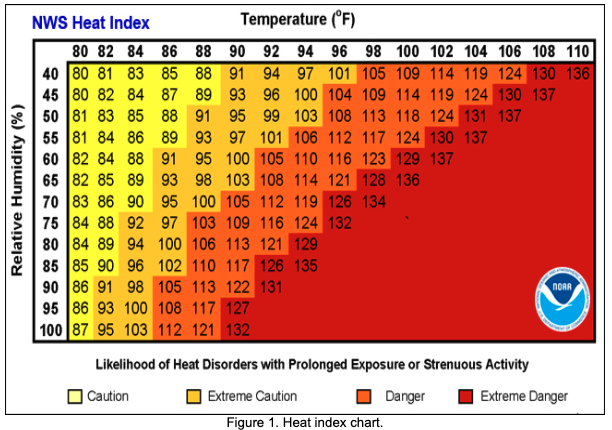
Shade vs. breeze: How to choose your route for maximum comfort requires understanding humidity’s paradox. While dense forest canopy provides sun protection, it often lacks airflow—trapping heat and humidity. Conversely, exposed ridges with even a slight breeze dramatically improve evaporative cooling. When planning your route, prioritize sections with airflow during peak heat hours (10 AM-2 PM), even if they receive more sun.
The 10-minute break rule that prevents heat exhaustion is simple but life-saving: For every hour of hiking in high humidity, take a 10-minute rest in complete shade. During these breaks:
– Remove your hat and wet it with water from your reservoir
– Sit with legs elevated to improve circulation
– Consume electrolytes immediately (don’t wait)
– Check for early signs of heat stress in yourself and hiking partners
Many hikers make the critical mistake of pushing through discomfort. In high humidity, your perceived exertion lags behind your actual physiological stress—meaning you might feel “fine” while nearing dangerous heat levels. Slow your pace to 60-70% of your normal dry-climate speed and accept that this hike will take longer.
Post-Hike Recovery: Why Your Car Needs a “Go Bag”
The moment your hike ends isn’t when the humidity challenge concludes—it’s when the real discomfort begins. Sitting in sweaty clothes for the drive home accelerates dehydration and chafing, turning what should be a rewarding experience into pure misery. Your trailhead “go bag” should contain:
The 3 items that transform your drive home from misery to bliss:
1. Complete dry outfit: Pack moisture-wicking shirt, shorts, and socks
2. Large microfiber towel: Specifically for drying off before changing
3. Iced electrolyte drink: Stored in a small cooler for immediate rehydration
Changing into dry clothes within 10 minutes of finishing your hike provides both physical and psychological benefits that make repeating the experience possible. Many experienced humid-climate hikers won’t attempt significant summer hikes without this simple setup in their vehicle.
When to Call It Quits: Recognizing Dangerous Heat Thresholds
No amount of preparation justifies risking heat stroke. Know these definitive signs that mean hiking in high humidity has become dangerous and requires immediate action:
– Stop hiking immediately if: You stop sweating despite heat, experience confusion, or have a rapid, weak pulse
– Find shade and cool down if: You feel nauseous, dizzy, or your headache intensifies
– Call for help if: Muscle cramps become severe or you vomit repeatedly
Many hikers report underestimating how quickly conditions deteriorate. What begins as discomfort can escalate to medical emergency in under 30 minutes. Always carry a charged phone, know your trail location, and tell someone your expected return time.
Hiking in high humidity demands respect but doesn’t need to be misery. By starting before dawn, choosing technical fabrics over cotton, implementing smart hydration strategies, and knowing your limits, you can transform what should be a grueling experience into a rewarding challenge. The lush green tunnels, abundant wildlife, and profound sense of accomplishment waiting at the end of a humid trail are worth the preparation. Your next steamy hike doesn’t have to be a suffering contest—it can be your most memorable adventure yet, if you approach it with the right knowledge.