You’ve just conquered a challenging trail, only to discover your feet shedding skin like a snake. This isn’t just annoying—it’s alarming when peeling spreads beyond blister zones to untouched areas of your sole. While mild flaking after intense hiking is normal, persistent sheets of peeling skin lasting weeks signals deeper trouble. Whether you’re a weekend warrior or thru-hiker, feet peeling after hiking usually stems from one brutal combo: moisture trapped against skin plus relentless friction. This guide cuts through the confusion with actionable fixes for current peeling and a science-backed prevention plan to keep your soles intact on every adventure.
Why Hiking Boots Turn Your Soles Into Peeling Sheets
Your feet endure unique abuse on the trail that city shoes never replicate. Unlike casual wear, hiking boots create a sealed ecosystem where sweat, pressure, and movement collide to shred your skin’s protective barrier. Here’s exactly how trail conditions trigger peeling you won’t see from daily walking.
How Wet Socks Destroy Skin Integrity in 3 Hours
Moisture-Associated Skin Damage (MASD) isn’t just a clinical term—it’s the silent killer of hiker foot health. When sweat pools inside your boots, your skin becomes waterlogged within 2–3 hours, turning fragile like wet tissue paper. This maceration breaks down the outer skin layer until it literally slides off in sheets when you remove your socks. Crucially, this isn’t limited to high-friction zones like heels. As one hiker discovered, peeling can attack untouched arch areas after a single day in soaked socks because moisture penetrates everywhere. The cycle worsens when you re-wet already damaged skin—drying overnight only to sweat again the next day strips layers progressively.
Chronic Friction: The Hidden Cause of Non-Blister Peeling
Forget just blisters—low-grade rubbing creates a different peeling nightmare. Ill-fitting boots or repetitive downhill motion cause micro-tears in skin that never form fluid-filled blisters. Instead, your body responds by thickening skin into calluses. Post-hike, these callused areas dry out and crack, peeling away in large, uncomfortable flakes. This explains why peeling often appears 3–5 days after your hike: it’s the delayed shedding of skin stressed beyond its limits. If you’ve recently ramped up mileage after inactivity (like post-pandemic hiking surges), your unconditioned skin lacks this callus armor, making peeling more severe and widespread.
When Peeling Signals Athlete’s Foot (Not Just Sweat)
Don’t assume all peeling is benign. The warm, dark boot environment breeds Athlete’s Foot fungi that feast on damp skin. Unlike friction damage, fungal peeling shows distinct red scaling between toes or along the sole’s outer edge, often without itching. One hiker’s 5-week peeling saga—spreading to non-friction zones—fit this pattern perfectly. Key red flags:
– Peeling persists beyond 2 weeks despite care
– Skin feels “tight” or develops tiny cracks
– Flakes appear powdery rather than leathery
– No improvement after switching to moisture-wicking socks
4-Step Emergency Repair for Peeling Soles (Do This Tonight)

If your feet are actively shedding, skip generic moisturizers. Target the root cause with this dermatologist-backed protocol to heal in days, not weeks.
Soak to Stop the Peeling Cycle in 20 Minutes
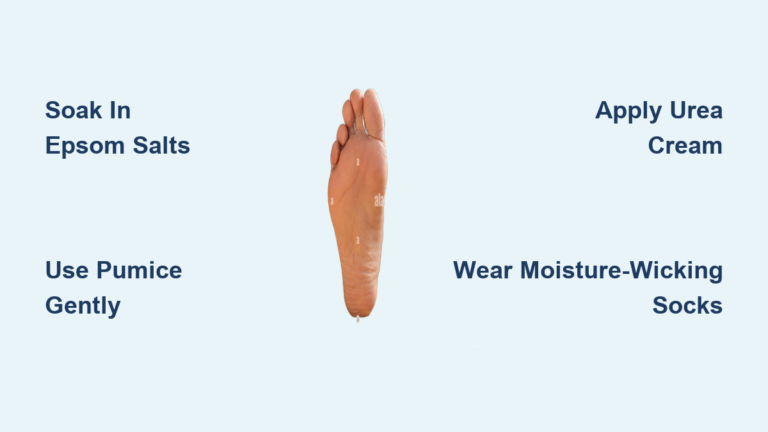
Fill a basin with cool water (not hot!) and dissolve 2 tablespoons of Epsom salts. Soak feet for 15–20 minutes to:
– Soothe inflammation from micro-tears
– Soften dead skin for safe removal
– Draw out residual moisture trapped under flaking layers
Pro Tip: Add 1 teaspoon of white vinegar if fungal infection is suspected—it creates an acidic environment fungi hate.
Gentle Removal: Never Peel Skin Manually
Tearing loose skin invites infection. Instead:
1. After soaking, pat feet damp (not dry)
2. Use a wet pumice stone in gentle circular motions only on thickened areas
3. Stop immediately if skin feels tender—thin areas heal faster untouched
Warning: Raw spots from aggressive peeling can lead to cellulitis. If you see red streaks or pus, see a doctor NOW.
Seal Cracks With Medical-Grade Barrier Creams
Standard lotions won’t cut it. Apply a 5% urea cream (like Eucerin Roughness Relief) to:
– Dissolve dead skin cells blocking healing
– Pull moisture into the dermis (not just surface)
– Form a breathable shield over micro-cracks
Massage into soles until absorbed, then wear thin cotton socks overnight. For deep fissures, add a dab of petroleum jelly under the cream.
Block Future Damage With Overnight Occlusion
While sleeping, lock in repair with this pro move:
1. Apply thick layer of urea cream
2. Cover feet with plastic wrap (like Saran Wrap)
3. Wear clean cotton socks over the wrap
This “occlusion therapy” boosts absorption 5x, healing cracks before morning. Discontinue once peeling stops to avoid over-moisturizing.
5 Hike-Proof Prevention Tactics That Actually Work
Preventing peeling starts before trailhead—not when your feet start flaking. These field-tested strategies target moisture and friction at the source.
The 3-Sock System That Stops Moisture at Boot Level

Ditch single-layer socks. Instead:
1. Silk liner sock (reduces friction against skin)
2. Merino wool hiking sock (wick moisture away from foot)
3. Synthetic over-sock (like Injinji Toe Socks for blister zones)
Critical: Change all layers at lunch on hikes over 4 hours. Carry spare socks in a waterproof bag—not your pack’s bottom where they’ll get damp.
Boot Fit Fixes That Eliminate Hot Spots Before Day 1
Poor fit causes 80% of peeling. Verify your boots pass these tests:
– Toe wiggle test: Stand on downhill slope; toes shouldn’t jam against front
– Heel lock: Lift toes—you should feel no slippage
– Lace lock: Use surgeon’s knot on ankle hooks to prevent side-to-side slide
Pro Move: Heat-moldable insoles (like Superfeet) fill dead space where friction starts. Never hike in new boots—break them in with 20+ miles of short walks first.
Pre-Hike Taping: The Invisible Shield Against Peel Triggers
Forget waiting for blisters. Apply these before trailhead:
– Between toes: Antifungal tape (like 2nd Skin) to block fungal entry
– Heel collar: Hypoallergenic kinesiology tape (KT Tape) in “anchor” pattern
– Ball of foot: Liquid bandage (New Skin) on pressure points
Never apply tape to wet skin—it loses adhesion and traps moisture.
The 10-Minute Post-Hike Foot Rescue Protocol
Do this immediately after removing boots:
1. Dry: Use microfiber towel between toes (no rubbing)
2. Disinfect: Spray with diluted vinegar (1:1 water/vinegar) to kill fungi
3. Cool: Elevate feet for 5 minutes to reduce inflammation
4. Breathe: Wear sandals for 1+ hour before closed shoes
Skipping this ritual after wet hikes guarantees peeling—your skin needs airflow to reset pH balance.
Fungal Defense: Your Boot’s Secret Weapon
Store boots with silica gel packets (not cedar—too moist) and sprinkle miconazole powder inside after every hike. This antifungal creates a hostile environment for Athlete’s Foot spores that survive standard cleaning. For leather boots, wipe interiors with rubbing alcohol weekly to kill lingering microbes.
When Peeling Means See a Doctor (Not Just Hike More)

Most peeling resolves in 7–10 days with proper care. Seek medical help immediately if you notice:
– Peeling lasting over 14 days despite home treatment
– Yellow/green pus or foul odor signaling bacterial infection
– Spreading redness with warmth (sign of cellulitis)
– Pain disrupting sleep or walking
Don’t waste time on OTC antifungals if: Peeling covers more than 30% of your sole or involves blisters oozing clear fluid—this suggests dyshidrotic eczema needing prescription steroids.
Keep Your Soles Intact on Every Trail
Peeling feet after hiking isn’t “just part of the sport”—it’s your skin screaming for better moisture and friction control. By targeting MASD with the 3-sock system, eliminating hot spots through precise boot fitting, and deploying post-hike foot rescue tactics, you’ll stop peeling before it starts. Remember: persistent peeling beyond two weeks isn’t normal trail wear. Treat your feet like high-performance gear—because without healthy soles, even the most breathtaking summit views lose their magic. Start tonight with the Epsom salt soak and urea cream; in 72 hours, you’ll feel the difference between hiker’s skin and hiker’s suffering. Your next adventure awaits—on solid, unpeeling soles.