You’ve just completed an epic hike, but now your legs feel like lead weights with every step. That deep, throbbing, “I can barely stand up” sensation is all too familiar to hikers who’ve pushed their limits—especially on downhill sections. Extreme leg pain after hiking isn’t just uncomfortable; it can sideline you for days, making basic tasks like climbing stairs or getting out of a chair feel impossible. This isn’t injury—it’s Delayed Onset Muscle Soreness (DOMS), a natural response to unaccustomed physical stress. Understanding why it happens and implementing targeted recovery strategies can transform your post-hike experience from debilitating to manageable. In this guide, you’ll discover exactly how to address severe leg pain after hiking, prevent it from recurring, and get back on the trail faster.
Why Downhill Hiking Causes Extreme Leg Pain
That brutal post-hike agony isn’t primarily from climbing—it’s the descent doing the damage. When you hike downhill, your quadriceps perform eccentric contractions, where muscles lengthen while under tension to control your movement. Each step places 3-6 times your body weight on your quads, causing microscopic tears in the muscle fibers. This triggers inflammation and the deep, aching pain characteristic of DOMS. The soreness typically peaks 24-72 hours after your hike, with day two often being the worst. While uncomfortable, this process is actually beneficial—your muscles repair stronger than before, building resilience for future hikes. Understanding this mechanism is crucial because it explains why prevention and recovery strategies must specifically target eccentric muscle loading.
Immediate Post-Hike Actions to Reduce Extreme Leg Pain
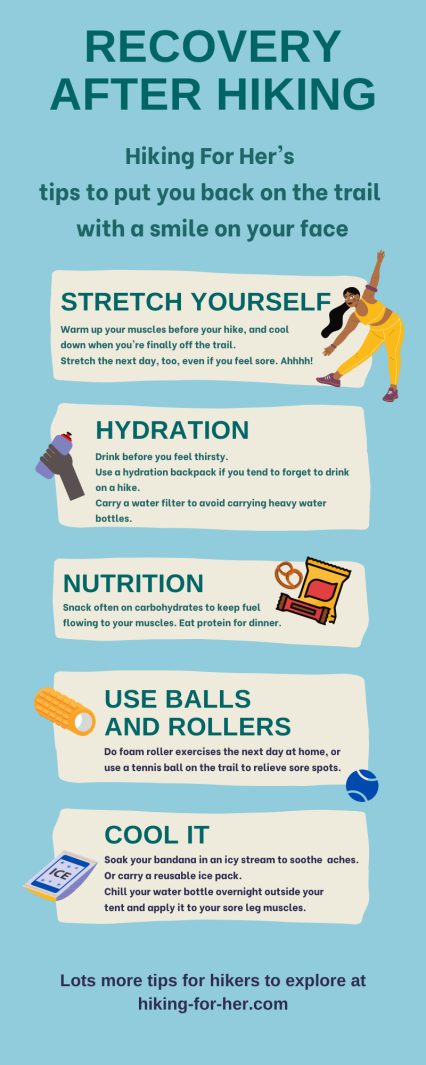
What you do in the first two hours after finishing your hike dramatically impacts how severe your leg pain becomes. This critical recovery window determines whether you’ll face manageable soreness or extreme leg pain after hiking that leaves you hobbling like C3PO for days.
Hydrate with Targeted Electrolyte Replacement
Immediately after your hike, drink 16-24 ounces of fluid containing balanced electrolytes—not just water. Plain water dilutes remaining electrolytes, worsening cramping and soreness. Your ideal post-hike drink should contain 300-600mg of sodium, 80-120mg of potassium, and 10-50mg of magnesium per liter. Coconut water with a pinch of sea salt or an electrolyte tablet dissolved in water works perfectly. Dehydration exacerbates muscle soreness, so proper rehydration is your first line of defense against debilitating leg pain.
Refuel Within the Golden 30-Minute Window
Consume 20-30 grams of protein combined with complex carbohydrates within 30 minutes of finishing your hike. This precise timing maximizes muscle repair by kickstarting protein synthesis when your muscles are most receptive. A smoothie with Greek yogurt, banana, and berries provides the ideal 3:1 carb-to-protein ratio. Skipping this critical nutrition window means your muscles won’t have the building blocks they need to repair those micro-tears, significantly increasing your risk of extreme leg pain after hiking.
Engage in Active Recovery Movement
Resting completely after your hike actually worsens soreness. Instead, perform 10-15 minutes of gentle movement to increase blood flow to your fatigued muscles. A slow walk, light cycling, or gentle leg swings gets circulation moving to deliver nutrients while flushing metabolic waste products. This active recovery reduces inflammation and can shorten your recovery time by up to 40%. The key is keeping intensity extremely low—just enough movement to stimulate circulation without adding further stress to damaged muscles.
Managing Severe Leg Pain During Peak Soreness Days
When day two hits and your legs feel like concrete, these targeted strategies provide real relief from extreme leg pain after hiking while accelerating your recovery timeline.
Targeted Foam Rolling Techniques
Spend 5-10 minutes daily foam rolling your quads, hamstrings, and calves using slow, deliberate movements. When you find a tender spot, pause for 20-30 seconds rather than rolling continuously. This myofascial release breaks up adhesions and increases blood flow to the damaged tissue. For severe quad soreness, try the “quad smash” technique: position the roller under your thigh, cross one ankle over the opposite knee, and slowly roll from hip to knee while applying controlled pressure. Consistent foam rolling can reduce DOMS intensity by up to 30% according to sports medicine research.
Strategic Contrast Therapy for Rapid Relief
Alternate between 1-minute cold applications and 2-3 minutes of warmth to reduce inflammation while promoting circulation. Start with a cold pack wrapped in a towel on your most sore areas for 1 minute, then apply a warm towel or heating pad for 2-3 minutes. Repeat this cycle 3-4 times. The cold reduces inflammation while the warmth increases blood flow, creating a “pumping” effect that flushes out metabolic waste products causing your extreme leg pain. This technique can provide noticeable relief within 24 hours when performed consistently.
Critical Red Flags That Aren’t Just Normal Soreness
While DOMS causes predictable, symmetrical muscle soreness, certain symptoms indicate something more serious requiring immediate medical attention. Watch for:
- Dark, tea-colored urine—this signals possible rhabdomyolysis, a dangerous condition where muscle breakdown products overwhelm your kidneys
- Severe pain in one specific area rather than generalized muscle soreness
- Numbness, tingling, or weakness in your legs, which could indicate nerve compression
- Swelling that worsens after 48 hours instead of gradually improving
These warning signs distinguish between normal post-hike soreness and potentially dangerous conditions. If you experience any of these symptoms alongside extreme leg pain after hiking, seek medical care immediately rather than waiting it out.
Pre-Hike Conditioning That Prevents Debilitating Soreness
The most effective strategy for avoiding extreme leg pain after hiking starts weeks before your trek with targeted preparation. A 6-8 week pre-hike conditioning program dramatically reduces post-hike soreness by preparing your muscles for the eccentric demands of downhill hiking.
Eccentric Strength Training Essentials
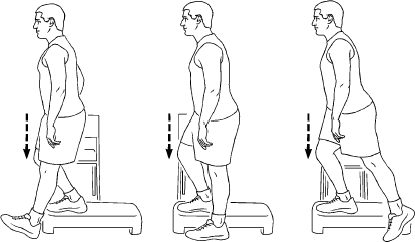
Perform these descent-specific exercises twice weekly leading up to your hike:
- Eccentric Step-Downs: Stand on a 6-8 inch platform, lift your non-working leg, and slowly lower your working leg for 3-5 seconds. Complete 3 sets of 10-12 repetitions per leg.
- Nordic Hamstring Curls: Begin with assisted versions using a partner or anchor point, performing 2 sets of 5 slow negatives.
- Negative Squats: Lower into a squat position over 4-5 seconds, then stand up normally. Aim for 3 sets of 8-10 repetitions.
These exercises specifically condition your muscles for the eccentric loading that causes extreme leg pain after hiking, reducing post-hike soreness by up to 50% when performed consistently.
Gear and Technique Adjustments That Reduce Leg Strain
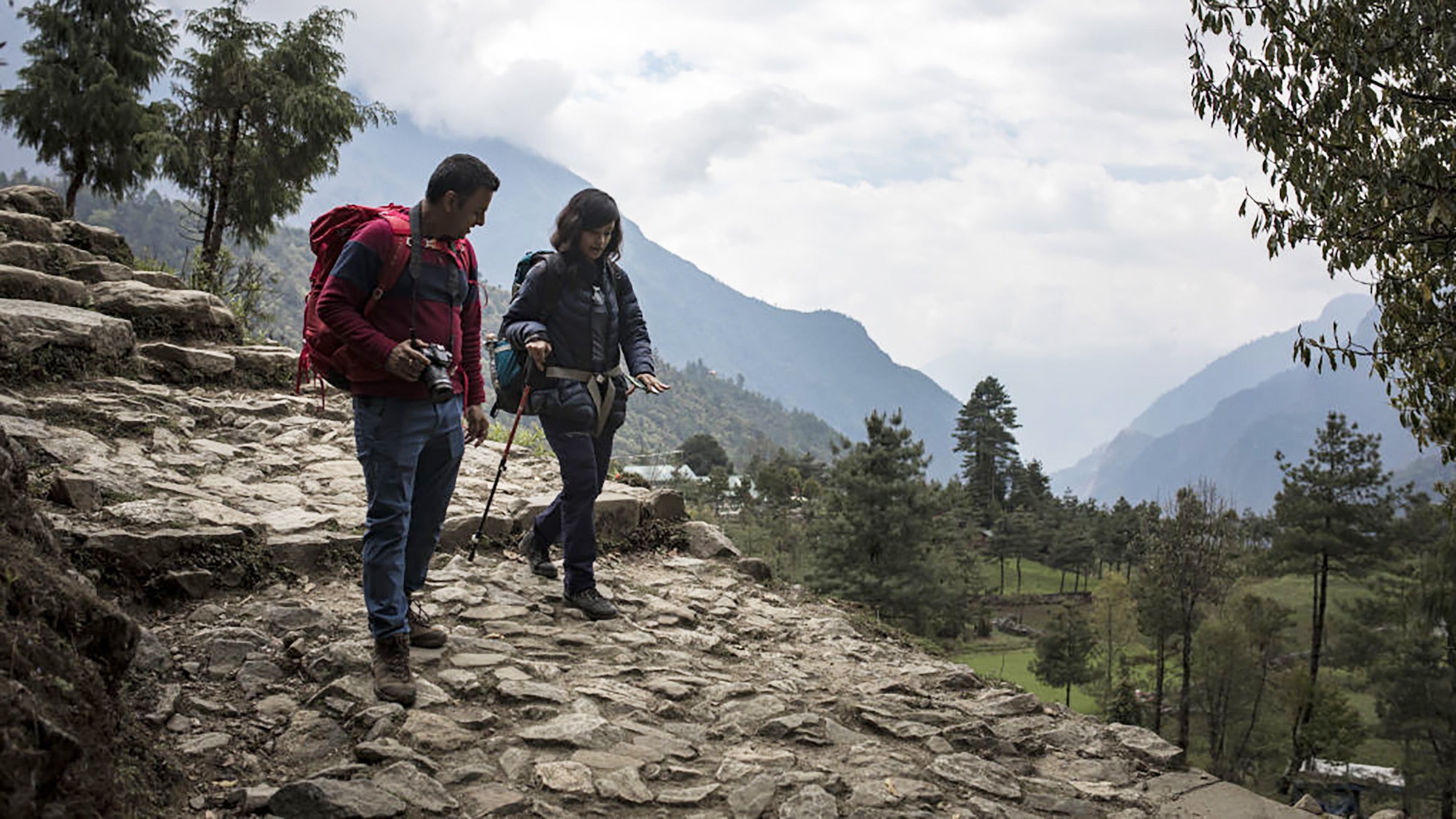
Your equipment choices and hiking technique significantly impact how much leg pain you experience after your hike. Implement these adjustments to minimize muscle damage:
Trekking Pole Technique for Downhill Relief
Properly adjusted trekking poles reduce impact on your quads by 20-30% during descents. Plant each pole slightly ahead and to the side of your body as you step down, transferring force through your arms and upper body. On steep descents, shorten your poles by 5-10cm for better control. This simple technique reduces eccentric loading on your legs, directly preventing the micro-tears that cause extreme leg pain after hiking.
Strategic Descent Pacing and Rest Breaks
Maintain a pace of no faster than 2.5-3.0 mph on descents to control eccentric loading. Take micro-breaks every 15-20 minutes by pausing on flat sections to give your quads brief recovery periods. Shorten your stride length on steep downhills—longer strides increase the eccentric load on your quadriceps. These technique adjustments may slow your descent slightly but dramatically reduce post-hike soreness.
Post-Hike Nutrition Protocol for Faster Recovery
What you eat after your hike directly impacts how quickly you recover from extreme leg pain. Follow this precise nutritional timeline:
- Within 30 minutes: 20-30g protein + 60-90g carbohydrates (3:1 ratio)
- 2 hours post-hike: Repeat with additional 20g protein
- Evening meal: Include anti-inflammatory foods like salmon, tart cherry juice, and leafy greens
Tart cherry juice specifically has been shown in studies to reduce DOMS severity by 22% when consumed before and after exercise. Adding 1-2 tablespoons of chia seeds to your post-hike smoothie provides omega-3s and magnesium that further reduce inflammation.
When to Seek Professional Help for Persistent Pain
While most extreme leg pain after hiking resolves within 5-7 days, consult a healthcare provider if:
- Pain remains severe beyond day 5 with no improvement
- You experience sharp, localized pain rather than generalized soreness
- Normal walking remains difficult after 7 days
- Pain interferes with sleep or daily activities
A physical therapist can provide targeted treatments like dry needling for trigger points or gait analysis to identify technique issues contributing to your post-hike pain. Don’t ignore persistent symptoms—they could indicate underlying issues that will worsen without proper intervention.
Key Prevention Strategies for Future Hikes
Implement these evidence-based strategies to dramatically reduce extreme leg pain after hiking:
- Prioritize eccentric training 6-8 weeks pre-hike with step-downs and negative squats
- Use trekking poles consistently on all descents to reduce quad impact
- Hydrate with electrolytes during and immediately after your hike
- Consume protein within 30 minutes of finishing your hike
- Start with shorter descents and gradually increase downhill mileage
By understanding that downhill hiking causes the most muscle damage, you can strategically prepare your body and implement targeted recovery protocols. The next time you face extreme leg pain after hiking, you’ll have a clear action plan to reduce discomfort and get back on the trail faster. Remember—this soreness represents your body adapting and growing stronger. With proper preparation and recovery, you’ll transform from hiker who dreads post-trip soreness to one who bounces back ready for your next adventure.