That burning sting on your inner thigh after just 30 minutes of hiking? The raw, tender patches under your arms as you reach the summit? Chafing transforms breathtaking adventures into painful ordeals for countless hikers. This skin irritation—caused by repetitive friction from skin-on-skin contact or abrasive fabrics—can sideline even seasoned trail users. But here’s the good news: with the right preparation, you can hike 20 miles without a single hot spot. I’ve tested every method from veteran thru-hikers and dermatology-backed research to deliver the best way to prevent chafing while hiking. You’ll learn exactly which products to apply, what clothing eliminates rub zones, and how to treat early warning signs before they ruin your trip.
Apply These 5 Anti-Chafe Lubricants Before Every Hike
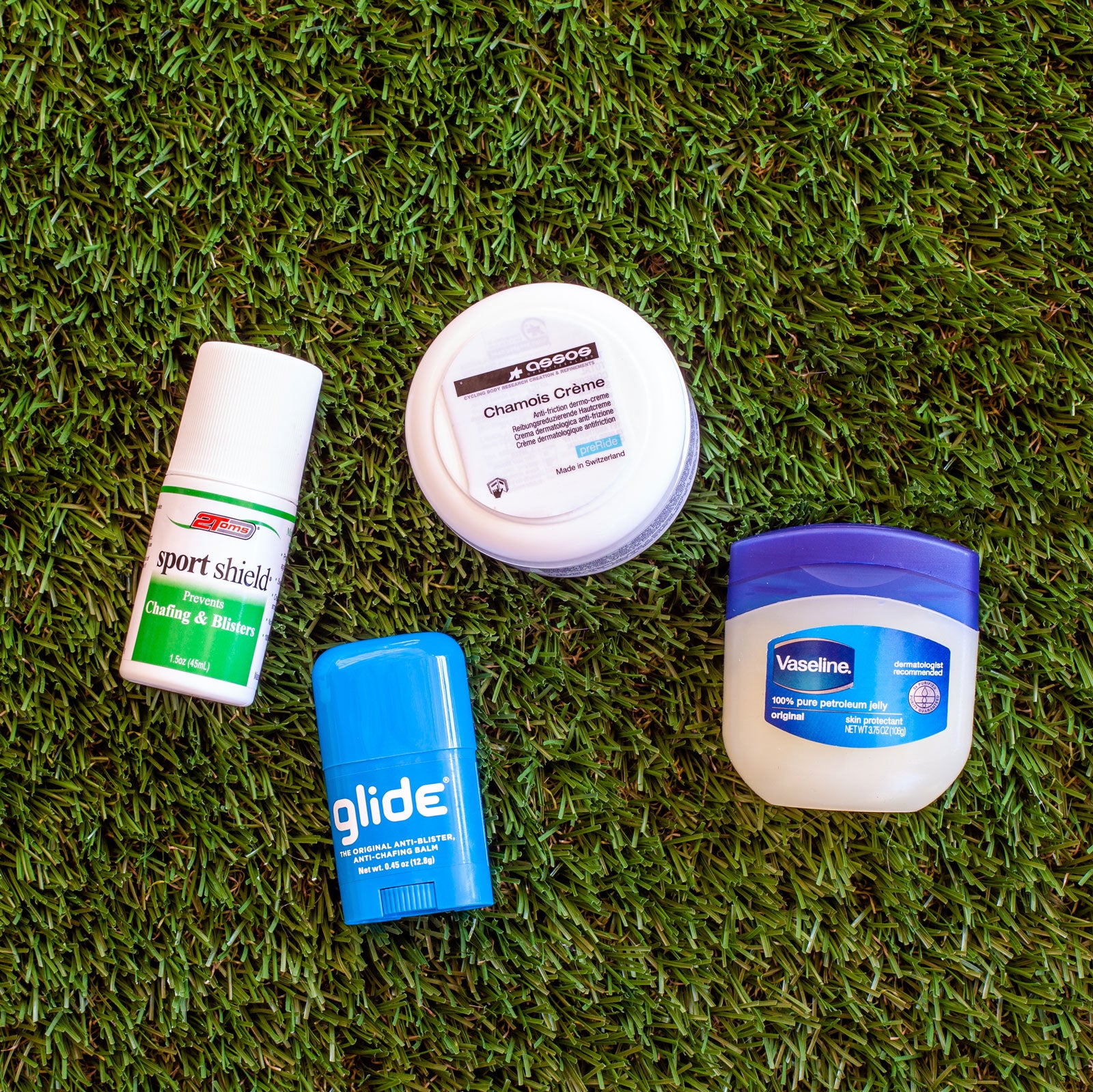
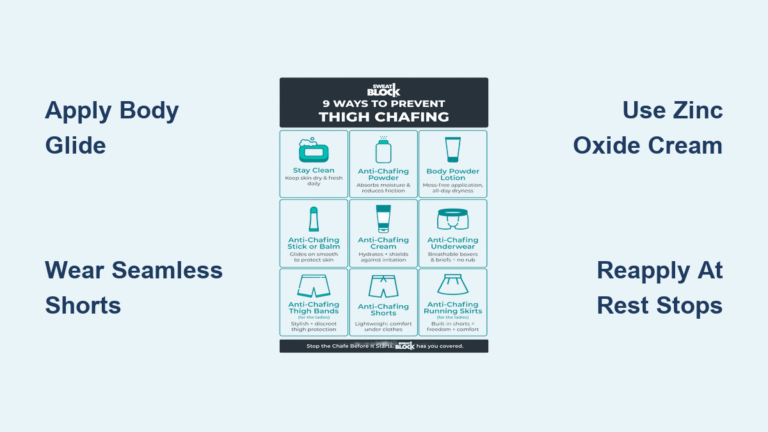
Your skin’s first defense against friction requires strategic lubrication. Skipping this step is like hiking without sunscreen—you’ll pay the price later. Apply products to high-risk zones (inner thighs, groin, underarms, nipples) before you start walking, not when discomfort hits.
Why Body Glide and Uberlube Outperform Petroleum Jelly
Commercial anti-chafe sticks like Body Glide deliver targeted protection without greasy residue. A pea-sized amount per thigh creates a breathable barrier that lasts 4-6 hours. For extreme conditions, Uberlube’s liquid silicone formula resists sweat and water for 8-10 hours—ideal for multi-day treks in humid climates. While petroleum jelly (Vaseline) remains a cheap, military-proven option, it tends to migrate into fabrics, reducing effectiveness after 2-3 hours. If using Vaseline, apply sparingly to avoid clogging moisture-wicking fabrics.
Zinc Oxide Cream vs. Medicated Powder: When to Use Each
For moisture-prone areas like the groin, zinc oxide cream (Desitin) forms a durable, moisture-wicking shield that also soothes early hot spots. Apply a thin layer to clean, dry skin—it’s especially crucial for preventing “chub rub” during long descents. Conversely, Gold Bond Medicated Powder excels in humid environments where sweat pools. Its blue formula absorbs moisture while inhibiting fungal growth. Reapply powder at rest stops if you notice dampness returning. Never use talc-based powders near sensitive areas—they can cause irritation when combined with sweat.
Wear These 3 Types of Hiking Shorts That Eliminate Inner-Thigh Rub
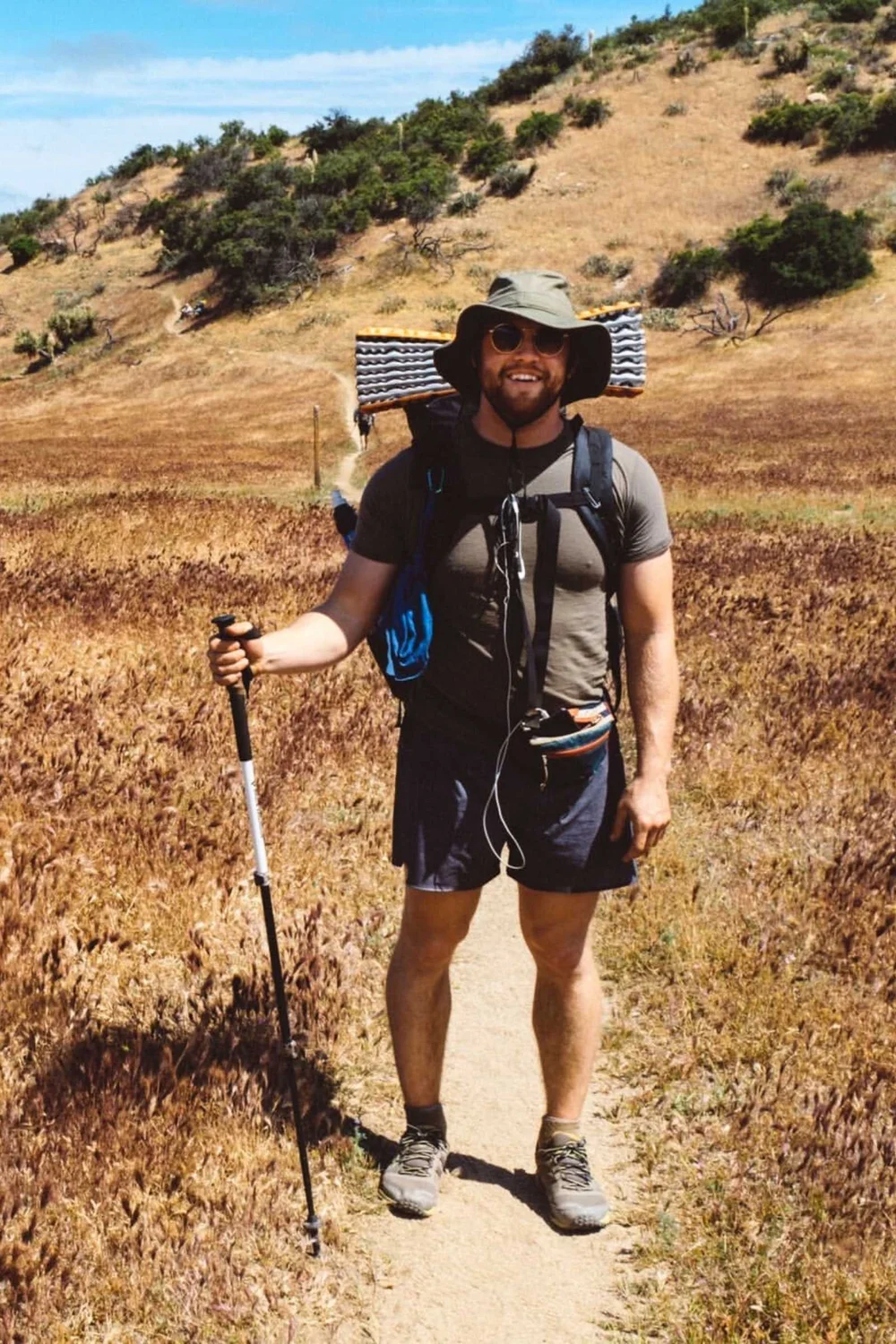
Your clothing choices make or break your chafe prevention strategy. Cotton is the enemy—it traps sweat against your skin like a sponge, creating the perfect friction environment. One long-distance hiker reported switching from cotton to technical fabrics reduced their chafing incidents by 90%.
Long-Inseam Boxer Briefs vs. Going Commando: Which Stops Chafing Faster?
For men, 9-inch inseam boxer briefs made of moisture-wicking synthetics (like ExOfficio Give-N-Go or Under Armour) prevent riding up and cover the entire inner thigh. The key is flat-lock seams that lie flush against skin—avoid side seams that rub against leg movement. Alternatively, the “commando” approach (no underwear) works brilliantly with technical shorts featuring seamless liners. Brands like prAna and Columbia offer hiking shorts with built-in wicking liners that eliminate extra seams. If trying commando, test on short hikes first—some find kilts or athletic skirts provide superior ventilation and zero inner-leg seams.
How Seamless Construction Prevents Underarm and Thigh Chafing
Inspect clothing seams before buying. Raised stitching on inner thigh panels or underarm seams creates instant friction zones. Opt for flat-locked seams or seamless construction in high-risk areas. Merino wool base layers (like Smartwool) offer natural moisture management without synthetic irritation. For women, sports bras with seamless cups and wide, non-elastic straps prevent shoulder and underband chafing. If your current gear has problematic seams, apply a thin layer of anti-chafe balm directly to the seam contact points.
Master Pre-Hike Skin Preparation to Stop Chafing Before It Starts
What you do before lacing up determines your comfort level mile 5. This 3-step ritual takes 90 seconds but prevents hours of misery.
Why You Should Never Shave Right Before Hiking

Pubic hair isn’t the enemy—it’s a natural friction buffer. Shaving immediately before hiking exposes sensitive skin to abrasion, and stubble becomes sandpaper against fabric. One AT thru-hiker reported severe groin chafing after shaving pre-trip, forcing a 3-day rest stop. Instead, trim hair to 1/4 inch 2-3 days pre-hike. This maintains the protective barrier while reducing moisture-trapping bulk. For underarm hair, similar trimming prevents sweat buildup without creating abrasive stubble.
How to Apply Lubricant to Groin and Thighs Without Mess
Wipe problem areas with a dry bandana to remove moisture. Apply anti-chafe products using a circular motion until fully absorbed—no visible residue should remain. For groin folds, use your fingertip to gently separate skin and apply directly to creases. Reapply every 4-6 hours during long hikes, especially after stream crossings. Pro tip: Pack lubricant in a small silicone travel container—not the original tube—to avoid sticky zippers in your pack.
Treat Active Chafing Immediately to Avoid Trail Shutdown
Ignoring early chafing is like ignoring a blister—it only gets worse. At the first sign of heat or stinging (a “hot spot”), stop immediately. Continuing adds layers of damage that take days to heal.
Why Hydrocortisone Cream Stops Burning Faster Than Aquaphor
Clean the area with water or an antiseptic wipe, then pat dry—never rub. For inflamed, red skin, 1% hydrocortisone cream reduces swelling within minutes. Apply a dime-sized amount, then cover with zinc oxide cream for friction protection. If skin is broken, use Aquaphor Healing Ointment to create a moisture barrier while promoting healing. Avoid Neosporin on intact skin—it can cause allergic reactions; reserve it only for open wounds to prevent infection.
When to Use Antibiotic Ointment for Broken Skin
If chafing breaks the skin’s surface (visible raw patches or bleeding), apply antibiotic ointment after cleaning to prevent infection. Cover loosely with a non-stick pad if hiking continues. Never use powders on broken skin—they can trap bacteria. At camp, rinse the area with clean water, apply zinc oxide overnight, and sleep commando to let skin breathe. If red streaks or pus appear, end your hike—these signal infection requiring medical care.
Build Your Anti-Chafe Hiking Kit: 5 Must-Pack Products
Your trail kit should include both prevention and treatment options. Prioritize compact, multi-use items that solve multiple problems.
The $3 Drugstore Powder That Outperforms Expensive Balms
Gold Bond Medicated Powder (blue label) is the single most versatile item. Use it pre-hike on sweaty areas, reapply at rest stops, and treat early hot spots by dusting over lubricant. Its cornstarch base absorbs moisture while menthol provides cooling relief. Pair it with a mini Body Glide stick for targeted application on inner thighs. For treatment, pack Aquaphor in a 0.5oz tin—it doubles as lip balm and gear lubricant. Skip deodorant as a chafe preventative; its aluminum content can irritate trail-worn skin and attract insects.
When Prevention Fails: Critical Chafe Response Protocol
Even with perfect prep, extreme conditions sometimes cause chafing. Your response determines whether you finish your hike or cut it short. At the first hot spot sensation:
1. Stop hiking immediately—every extra step worsens damage
2. Rinse with clean water (use purification tabs if needed)
3. Apply hydrocortisone if inflamed, zinc oxide if intact skin
4. Air-dry completely before reapplying barrier
5. Wear loose clothing for remainder of hike
If skin is broken, cover with a non-adhesive pad secured by medical tape around (not over) the wound. Monitor for infection signs: increasing pain after 24 hours, yellow discharge, or fever. Never ignore severe chafing—it can sideline you for weeks.
Preventing chafing while hiking isn’t about luck—it’s a science of friction management. The best way to prevent chafing while hiking combines three critical elements: applying the right barrier (Body Glide or zinc oxide for most), wearing seamless technical fabrics with strategic coverage, and maintaining strict skin hygiene before, during, and after your hike. Remember that pubic hair is protective—not problematic—and that reapplying lubricant at rest stops is non-negotiable on long treks. Start implementing these strategies on your next short hike to refine your routine. Within weeks, you’ll build the confidence to tackle any trail distance without dreading the burn. Keep your kit stocked with Gold Bond powder and Aquaphor, and you’ll never let chafing dictate your adventures again.