
Your heart races as you stand at the trailhead, ready to tackle your first hike. That mix of excitement and nervous energy is completely normal—every seasoned hiker started exactly where you are right now. These beginner hiking tips will transform your apprehension into confidence, ensuring your first adventure connects you with nature safely and joyfully. Forget overwhelming gear lists or confusing jargon; we’ll focus on exactly what you need to know for a successful first hike.
Most beginners make the mistake of overcomplicating their first outing. You don’t need expensive gear or advanced skills to start hiking—just the right preparation. This guide cuts through the noise with practical, actionable advice that comes from real trail experience. By the time you finish reading, you’ll know precisely how to choose your first trail, what to pack, and how to handle common beginner challenges.
What to Wear on Your First Hike: Footwear That Won’t Fail You
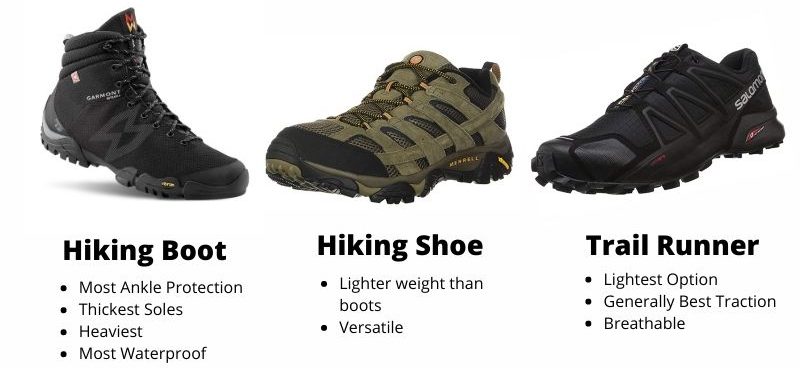
Your shoes make or break your first hiking experience—literally. Many beginners mistakenly think their running shoes will suffice, but proper footwear prevents painful blisters and keeps you moving. When trying on hiking shoes, do it in the afternoon when your feet naturally swell, wear the socks you’ll hike in, and ensure you have about ½ inch of space at the toe to prevent blackened toenails on downhill sections.
Trail Runners vs. Hiking Boots: What Beginners Should Choose
For your first few hikes, trail runners often provide the best balance of comfort and performance. These lightweight shoes offer better grip than running shoes while maintaining flexibility, making them ideal for well-maintained trails under 5 miles. Save bulky hiking boots for more rugged terrain once you’ve built some trail experience.
Sock Strategy: The Secret to Blister-Free Hiking
Cotton socks are hiking kryptonite—they trap moisture and guarantee blisters. Instead, invest in merino wool socks from brands like Smartwool or Darn Tough that manage moisture and provide cushioning. If you’re prone to blisters, consider a liner sock system: a thin synthetic liner next to your skin with a wool hiking sock over it. This reduces friction dramatically and keeps your feet comfortable mile after mile.
The Daypack Checklist: What to Bring on Your First Trail Adventure

Your backpack should feel like a safety net, not a burden. For beginner hikes under 5 miles, a 20-30 liter pack with a padded waist belt distributes weight properly and prevents shoulder strain. Forget heavy overnight gear—your first hikes only require the essential day hiking items that ensure safety without weighing you down.
The Ten Essentials Simplified for Day Hikes
Don’t panic at the term “Ten Essentials”—for beginner day hikes, these items fit easily in a small pack:
– Navigation tools (map, compass, charged phone with offline maps)
– Sun protection (SPF 30+ sunscreen, sunglasses, hat)
– Extra clothing layer (even in summer)
– Headlamp with extra batteries
– Basic first-aid kit with blister care
– Fire starter (waterproof matches)
– Repair kit (multi-tool, duct tape)
– Extra food (1,000+ calories)
– Extra water (1 liter minimum)
– Emergency shelter (space blanket)
Common Packing Mistakes That Ruin Beginner Hikes
Overpacking is the most frequent error we see with new hikers. Resist the urge to bring “just in case” items like heavy rain gear for a sunny forecast or excessive food. Instead, focus on quality over quantity—one good rain jacket beats three mediocre ones. Keep your pack weight under 10% of your body weight; for most beginners, that’s 15-20 pounds max including water.
Trail Selection 101: Finding Your Perfect Beginner Hike
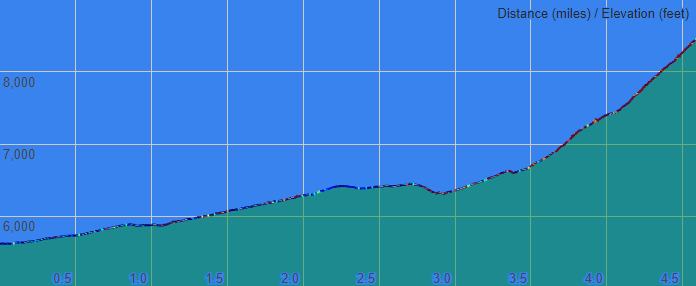
Choosing the wrong trail is the fastest way to turn your first hike into a negative experience. The perfect beginner trail has clear signage, minimal elevation gain (under 1,000 feet), and stays under 5 miles round trip. Popular trails with recent trip reports are your best bet—they’re well-maintained and you’re never completely alone if you need assistance.
How to Research Trail Conditions Before You Go
Don’t just rely on app ratings—check official park websites for current trail conditions, recent closures, and fire restrictions. Look for trip reports from the past week to understand current challenges like mud, snow, or high water crossings. A trail that was perfect last month might be impassable today due to seasonal changes.
Calculating Your Actual Hiking Time (The Beginner’s Mistake)
Most beginners assume hiking speed equals walking speed, but terrain changes everything. Use this simple formula: allow 30 minutes per mile plus 30 minutes for every 1,000 feet of elevation gain. A 3-mile hike with 500 feet of elevation should take about 1 hour 45 minutes—not the 45 minutes you might expect from flat ground walking. Build in extra time for photos and rest stops too.
Navigation Basics: Never Get Lost on Your First Hike
Your phone is not enough for trail navigation—relying solely on digital maps is one of the biggest mistakes beginners make. Always carry a paper map and compass as your primary navigation tools, with your phone as backup. Download offline maps on apps like AllTrails before you leave home, but know that service disappears quickly once you’re on the trail.
Map Reading Fundamentals for New Hikers
Learn to identify basic topographic map features before your hike: contour lines that bunch together indicate steep terrain, while widely spaced lines mean gentle slopes. Note major landmarks like rivers, ridges, or distinctive peaks that will help you orient yourself on the trail. Practice matching what you see on the map to your surroundings every 15-20 minutes.
The Turnaround Time Rule That Prevents Emergencies
Set a non-negotiable turnaround time before you start hiking—typically 2-3 hours before sunset. This ensures you finish your hike in daylight, when navigation is easiest and temperatures are warmer. Many hiking emergencies happen because beginners push too far without respecting this critical safety margin. If you haven’t reached your destination by turnaround time, turn around immediately.
Fueling Your First Hike: Food and Water Strategies That Work

Dehydration and low blood sugar cause more beginner hikers to cut hikes short than any other factor. Drink 16-32 ounces of water per hour of hiking—not just when you feel thirsty. For food, aim for 200-300 calories per hour with a mix of carbohydrates for quick energy and protein for sustained fuel. Trail mix, energy bars, and dried fruit work perfectly.
Hydration Mistakes That Leave Beginners Exhausted
The most common hydration error is drinking only when thirsty—you’re already dehydrated by that point. Instead, sip water every 15-20 minutes. In hot weather, add electrolytes to prevent cramping. Always carry more water than you think you’ll need (minimum 1 liter for every 2 hours of hiking) and know where you can refill along your route.
Snack Strategy: What to Eat Every 60-90 Minutes
Pack small, easily accessible snacks you can eat while walking. Good options include:
– Energy chews or gels for quick sugar
– Trail mix with nuts and dried fruit
– Beef jerky for protein
– Energy bars with balanced carbs/protein
– Dried mango or other fruit for natural sugars
When to Turn Back: Safety Signals Every Beginner Must Recognize
Knowing when to abandon your hike separates responsible beginners from those who create emergencies. Turn around immediately if you experience fatigue affecting your coordination, rapidly worsening weather, or if you’ve reached your predetermined turnaround time. Your safety is always more important than reaching the destination.
Weather Warning Signs Beginners Often Miss
Clouds building vertically indicate potential thunderstorms—get off ridges and summits immediately. A sudden temperature drop often precedes storms, as does a shift in wind direction. If you hear distant thunder, count the seconds between flash and bang; divide by 5 to get the storm’s distance in miles. Less than 30 seconds means seek shelter now.
Group Safety Protocol for Solo and Group Hikes
Always share your detailed itinerary with someone not on the hike—including your route, trailhead location, car details, and expected return time. For solo hikes, check in with rangers at the trailhead if possible. On the trail, maintain visual contact with your group members and establish a meeting point if anyone gets separated.
Building Your Hiking Skills: A 6-Month Progression Plan
Your first hikes should focus on building confidence, not distance. In months 1-3, stick to 1-3 mile trails with minimal elevation gain in local parks. By months 4-6, gradually increase to 4-6 mile hikes with up to 1,500 feet of elevation. This measured approach prevents burnout and builds authentic trail competence without overwhelming you.
Physical Conditioning That Actually Prepares You
Start training two weeks before your first hike with daily 30-minute walks, gradually adding weight to your pack. Incorporate stair climbing at home or at the gym to build leg strength specifically for hiking. Focus on maintaining a “conversation pace” where you can speak in full sentences—this sustainable effort level prevents early exhaustion.
Gear Testing Strategy Before Big Adventures
Your first few hikes are gear trials. Test each new piece of equipment on short local hikes before relying on it for longer adventures. Pay special attention to footwear—many beginners discover painful hot spots only after several miles. Address any gear issues immediately rather than hoping they’ll “break in” on the trail.
Final Note: These beginner hiking tips give you exactly what you need to start safely and confidently—not a single unnecessary detail. Remember that every expert hiker was once a beginner standing exactly where you are now. Your first hike isn’t about distance or difficulty; it’s about experiencing nature’s wonder while building solid foundational skills. Keep your first adventures short, prepare thoroughly, and most importantly—enjoy every step of the journey. The trail awaits, and your next adventure starts with just one step forward.


