Dreaming of silent snow-draped fjords and frozen waterfalls during a December hiking trip in Norway? That vision quickly shatters against reality. Solo backcountry hiking in Norway in December isn’t just challenging—it’s a high-risk endeavor reserved for experienced winter mountaineers with specialized gear and training. For most travelers, especially those without avalanche safety certification or winter navigation skills, attempting multi-day hikes during Norway’s darkest, coldest month is dangerously unrealistic. This guide cuts through the romanticized imagery to deliver the critical truths about December hiking in Norway, focusing on life-saving precautions and genuinely accessible alternatives that let you experience Norway’s winter magic safely.
Forget summer trail conditions. Hiking in Norway in December means confronting 4-6 hours of weak daylight, temperatures plummeting far below freezing, and snow depths that obliterate established paths. Mountain roads like Hardangervidda or Sognefjellet often close entirely, stranding standard vehicles. Even coastal areas face sudden whiteouts and icy trails where a simple slip could trigger a life-threatening situation. Your dream of solitude transforms into isolation where cell service vanishes, rescue takes hours, and hypothermia sets in faster than you’d believe. This isn’t a call to avoid Norway in winter—it’s a mandate to respect its lethal beauty with serious preparation or smarter alternatives.
Why December Mountain Trails Are Effectively Closed to Hikers
Avalanche Danger Makes Trails Unnavigable
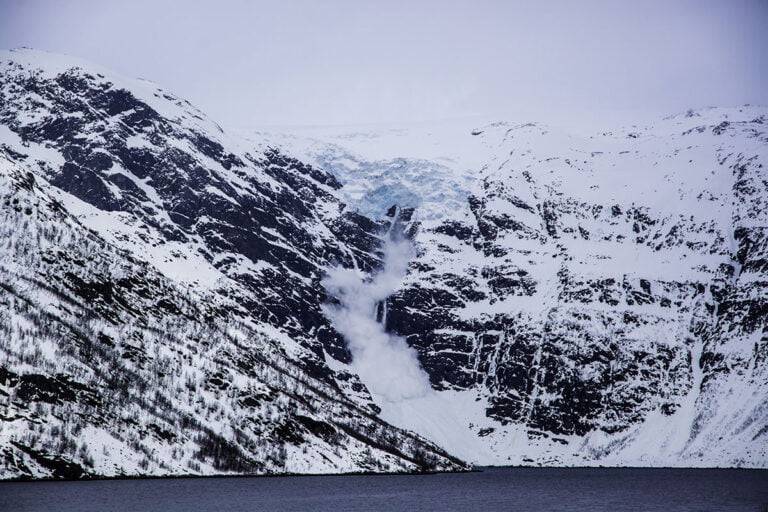
Snow accumulation in early December creates unstable layers on slopes, turning even moderate inclines into avalanche traps. Without daily checks on Varsom.no (Norway’s avalanche forecast) and formal safety training, you cannot assess slope stability. Real-world consequence: A fresh snowfall on wind-loaded terrain can trigger slides with minimal provocation. Never assume a “popular” trail is safe—avalanches occur on routes beginners might consider “easy.” If Varsom.no rates the danger as “considerable” (Level 3) or higher in your target area, all backcountry travel should be off the table.
Whiteout Navigation Requires Expert Skills
When blizzards hit or polar night conditions descend, visibility drops to zero within minutes. Trails vanish under deep snow, and landmarks disappear. GPS devices fail when batteries die in sub-zero cold (yes, smartphone batteries drain in minutes). Your only reliable tools become a physical compass and topographic map—and the ability to use them while wearing thick gloves. Critical mistake: Assuming trails marked in summer remain obvious. Hidden streams, cornices, and snow bridges create invisible traps. If you can’t confidently navigate using contour lines alone, backcountry hiking in December is not viable.
Hypothermia Risk Accelerates Faster Than You Think
Wet cotton clothing (like jeans or a sweatshirt) loses all insulating value when damp from snow or sweat, speeding up core temperature drop. Combine wind chill with temperatures below -10°C (14°F), and exposed skin risks frostbite in under 30 minutes. The real danger? Hypothermia often creeps in unnoticed—shivering stops as core temperature crashes, leading to confusion and poor decision-making. Never hike without synthetic or wool base layers, and carry emergency shelter (like a bivvy sack) even on short excursions.
Essential Gear Checklist for Any December Outdoor Activity

Non-Negotiable Survival Equipment
Skip any single item below, and your margin for error disappears:
– Insulated, waterproof boots with aggressive tread (e.g., Baffin Impact or similar) – standard hiking boots freeze solid
– Three-layer clothing system (merino wool base, fleece mid, windproof shell) – never cotton
– Microspikes or crampons for icy roads and low-elevation paths
– Headlamp with extra batteries (stored in an inner pocket to prevent freezing)
– Satellite communicator (Garmin inReach Mini 2) – Norway’s remote areas lack cell coverage
– Physical map and compass (plus skills to use them without GPS)
Why Rental Gear Isn’t Enough
Local outdoor stores in Bergen or Tromsø rent basic winter clothing, but critical items like satellite messengers or avalanche transceivers often require certifications you likely lack. Renting crampons without training on icy terrain increases fall risk. Your safest bet? Stick to prepared paths near towns where rentals suffice, and avoid remote areas entirely.
Step-by-Step: Planning a Realistic December Norway Adventure
https://www.ut.no/tutorials/norway-winter-hiking-route-planning/
Choose Low-Elevation, Road-Accessible Routes Only
Forget summiting peaks. Target flat, signed trails near towns like Bergen or Ålesund where roads stay plowed. Examples:
– Bergen’s Fløyen Funicular trails (open daily, low elevation)
– Åndalsnes’ Rauma Valley viewpoints (accessible by car)
– Lusterfjord shoreline walks near Sognefjord
Critical rule: Turn back if snow exceeds boot height or trails vanish. Never bushwhack.
File Your Exact Itinerary With Emergency Contacts
Norway’s “SOS Alarm” system relies on precise location data. Before leaving:
1. Note your daily route on UT.no (DNT’s trip planner)
2. Share hourly check-in times with someone in Norway
3. Carry printed copies of weather/avalanche forecasts
Consequence of skipping this: If you go missing, search teams won’t know where to start—delaying rescue by critical hours.
Check Three Forecasts Daily Without Exception
Your survival depends on this ritual:
– Varsom.no for avalanche risk (updated 5 AM/PM CET)
– Yr.no for hyperlocal weather (check “mountain forecast” even for low trails)
– Statens Vegvesen.no for road closures (e.g., Hardangervidda highway status)
Red flag: Any “storm warning” (orkan) or “considerable avalanche risk” means staying indoors.
Safer Alternatives That Deliver the Norwegian Winter Experience
Use Public Transport for Scenic Day Trips
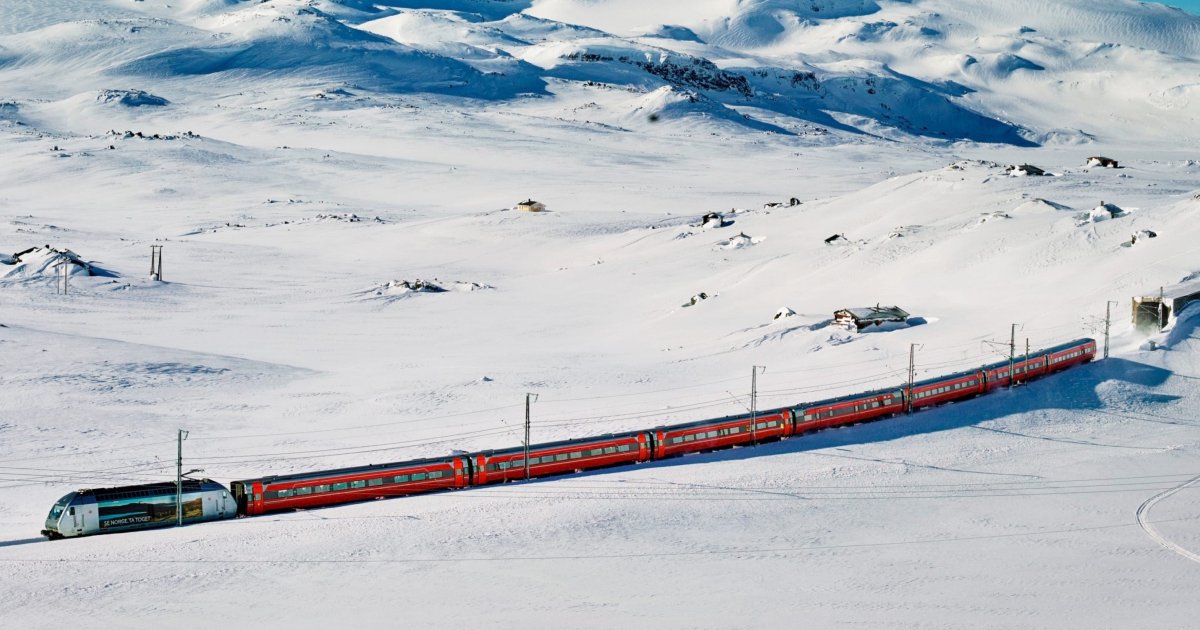
Ditch the rental car stress. The Bergen Railway (Bergensbanen) and Flåm Railway (Flåmsbana) offer heated, safe passage through snow-capped valleys with zero driving risk. Pair with:
– “Norway in a Nutshell” winter route: Train to Voss → Bus to Gudvangen → Ferry through Nærøyfjord (book ahead; ferries run year-round)
– Hurtigruten coastal voyage: 12-day round-trip from Bergen seeing fjords, Northern Lights, and Lofoten without leaving the ship
Join a Guided Snowshoe Tour Near Towns
Certified guides provide gear, safety protocols, and access to terrain you’d never navigate alone. Top options:
– Tromsø Wilderness Centre: Half-day snowshoe trips with reindeer spotting
– Bergen Snowshoe Tours: Fjord views from Ulriken Mountain (accessible via funicular)
– DNT Huts near Oslo: Guided ski/snowshoe routes to staffed cabins like Gjendesheim
Cost reality: Tours run 1,500–2,500 NOK ($140–$230) but include transport, gear, and expertise—far cheaper than emergency rescue.
Focus on Coastal Towns for Culture and Northern Lights
Base yourself in one accessible hub like Bergen or Ålesund for:
– Fjord photography from viewpoints like Steinsdalsfossen waterfall (open 24/7)
– Northern Lights hunting via guided bus tours (e.g., Tromsø’s “Aurora Chase”)
– Coastal culture exploring Bryggen Hanseatic Wharf or Ålesund’s Art Nouveau streets
Pro tip: Book hotels with “Northern Lights wake-up calls” so you don’t miss the show.
Why “Just a Short Hike” Could End in Disaster
In Norway’s December wilderness, a minor mistake becomes catastrophic within hours. That “quick 30-minute trail” you spot on a map likely requires snowshoes you don’t own, hides avalanche terrain you can’t identify, and will take 3x longer due to deep snow—eating into your 4-hour daylight window. When darkness falls early and temperatures drop, hypothermia sets in before you realize you’re lost. The mountains don’t care about your Instagram ambition. Your safest, most rewarding choice? Postpone backcountry hiking until May when trails reopen, daylight lasts 18+ hours, and conditions align with your experience level. Until then, embrace Norway’s winter wonders through train windows, guided tours, and coastal towns where the only risk is running out of camera storage. The fjords will wait—but your safety can’t.