The crunch of snow underfoot, the crisp bite of cold air filling your lungs, and the breathtaking silence of a frozen landscape—hiking in freezing temperatures offers a wilderness experience unlike any other season. But this magical world demands respect; what begins as an exhilarating adventure can quickly turn dangerous when temperatures plummet below freezing. Every year, unprepared hikers face life-threatening situations because they underestimated the power of cold. This guide delivers the specific, actionable knowledge you need to safely enjoy winter trails, whether you’re exploring local paths at 20°F or considering more extreme sub-zero adventures. You’ll learn precisely how long you can hike safely at different temperatures, the exact gear configurations that prevent frostbite, and the critical decision points that separate a successful outing from an emergency rescue.
Essential Gear That Prevents Frostbite During Freezing Hikes

Your survival depends on gear that actively fights heat loss. Forget generic “winter clothing”—freezing temperature hiking requires a precisely engineered system that adapts to changing conditions.
The Exact Layering System That Works Below Freezing
Cotton kills when hiking in freezing temperatures—this isn’t hyperbole but a matter of life and death. Your base layer must move moisture away from your skin through capillary action. Choose merino wool or synthetic fabrics that continue wicking when wet. Add a mid-layer that traps air for insulation: a fleece jacket or lightweight puffy works perfectly for temperatures between 32°F and 20°F. Your outer shell must block wind while allowing vapor to escape—look for waterproof, breathable fabrics with pit zips for quick venting during exertion. Remember: proper layering means you should feel slightly cool when starting your hike. If you begin warm, you’ll sweat within minutes, setting the stage for dangerous cooling later.
Extremity Protection: Your Hands, Feet, and Face
Your fingers, toes, and nose become vulnerable within minutes in sub-zero conditions. For hands, implement a three-layer system: a thin synthetic liner glove beneath insulated gloves, all covered by waterproof shells. Below 20°F, switch to mittens—they keep fingers together for mutual warmth. Your feet need special attention: wear thin wool liner socks under thick insulating socks, but never so tight that they restrict blood flow. Boots must have room for these layers while maintaining ankle support. At temperatures below 0°F, add chemical warmers inside your boots. For your face, a balaclava becomes essential below 20°F—exposed skin can develop frostbite in under 30 minutes when wind chill drops below -15°F.
Critical Packing Strategies for Sub-Zero Emergencies
Your pack must contain everything needed to survive an unplanned night out. Beyond standard hiking gear, add these freezing-temperature essentials: multiple chemical heat packs (6+ hour duration), an emergency bivvy that reflects 90% of body heat, and a thermos with hot soup—not coffee or tea, which dehydrate. Crucially, never rely on hydration bladders below freezing—their tubes will ice solid within minutes. Instead, use wide-mouth Nalgene bottles stored upside down inside your pack, wrapped in insulating material. Every freezing temperature hike requires a satellite communicator—cell service disappears when you need it most.
Temperature Danger Zones: How Long Can You Hike Safely?
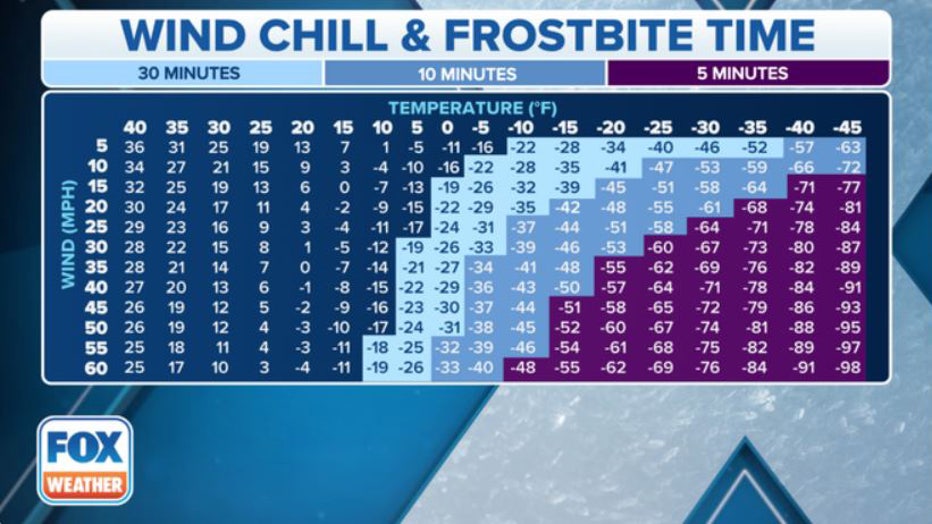
Understanding the precise time limits for different temperatures transforms your decision-making when hiking in freezing temperatures.
32°F to 20°F (0°C to -7°C): The Manageable Range
At these temperatures, you can safely hike for approximately 4 hours with proper gear before risk increases significantly. This is the ideal range for beginners to experience winter hiking. However, wind changes everything—a 15 mph wind at 20°F creates a -10°F wind chill, cutting safe exposure time in half. Watch for early signs of cold stress: numb fingertips, reduced dexterity, or persistent shivering. If you notice these, immediately add layers or shorten your hike.
20°F to 0°F (-7°C to -18°C): The High-Risk Threshold
This temperature range demands serious preparation. Maximum safe hiking time drops to approximately 1 hour at 20°F, shrinking to just 30 minutes below 20°F. Frostbite becomes a real threat—exposed skin can freeze in under 30 minutes when wind chill hits -15°F. Your gear checklist must expand: add face protection, chemical warmers in gloves and boots, and a mandatory partner system. At these temperatures, your turn-around time should be aggressive—never push beyond planned limits. One hiker’s experience: “At 15°F with 10 mph winds, I felt fine for 45 minutes until my fingers suddenly went numb—thankfully I had backup gloves.”
Below 0°F (-18°C): Expert-Only Territory
Recreational hiking effectively ends below 0°F. Maximum safe exposure drops to 30 minutes even with perfect gear, and every minute counts. This range requires expedition-level planning: satellite communication, emergency shelter, and specialized training in cold-weather first aid. The documented lowest temperature for hiking is -40°F, but this represents extreme expertise, not a target for most hikers. Critical rule: Never hike alone below 0°F—your partner may be your only chance if frostbite strikes.
Planning Your Freezing Temperature Hike: The 5-Point Safety Checklist
Success begins with meticulous pre-hike preparation that addresses winter-specific risks.
Trip Planning That Accounts for Winter Realities
File a detailed itinerary with emergency contacts including your exact route, expected return time, and gear list. Check not just temperature but wind forecasts—15 mph winds at 10°F create a -5°F wind chill. Verify rescue service availability; many areas have limited winter resources. For elevation changes like Bryce Canyon’s 8,000-foot rim, remember that temperature drops 3-5°F for every 1,000 feet gained. South-facing slopes will be significantly warmer than north-facing trails, so plan your route accordingly.
The Dynamic Layering Technique That Prevents Sweat
Most hikers fail by dressing for static conditions rather than activity levels. Before starting your hike, remove your insulating layer—you should feel slightly cool. As you hike, monitor for the first signs of sweating (damp neck, warm face) and immediately vent your shell or remove a layer. When stopping for breaks, add your insulating layer within 60 seconds—your body cools rapidly when stationary. This constant adjustment keeps you in the “Goldilocks zone” of warmth without moisture buildup.
Emergency Protocols: Recognizing and Responding to Cold Injuries
When hiking in freezing temperatures, knowing these protocols could save your life or someone else’s.
Immediate Response to Frostbite and Hypothermia
Frostnip shows as pale, numb skin that feels “wooden.” Immediately rewarm the area against warm skin—your armpit works perfectly for fingers. Never rub frostbitten skin—this causes tissue damage. For hypothermia, look beyond shivering: slurred speech, confusion, and loss of coordination indicate moderate to severe cases. Get the person to shelter, remove wet clothing, and apply heat packs to the chest, neck, and groin. Provide warm, sweet drinks if they’re conscious and able to swallow.
The 20-Minute Rule That Prevents Emergencies
Implement this critical safety protocol: if you can’t restore warmth to cold extremities within 20 minutes of adding layers and warming efforts, abort your hike immediately. Don’t gamble with “just five more minutes.” Similarly, if group progress falls below 1 mph due to cold, turn back—fatigue accelerates heat loss. Remember the most important gear you carry: your judgment to recognize when conditions exceed your preparation.
Advanced Skills for Winter Hiking Success
Master these techniques to transform freezing temperature hikes from surviveable to enjoyable.
Hydration Strategies That Prevent Dehydration in Cold
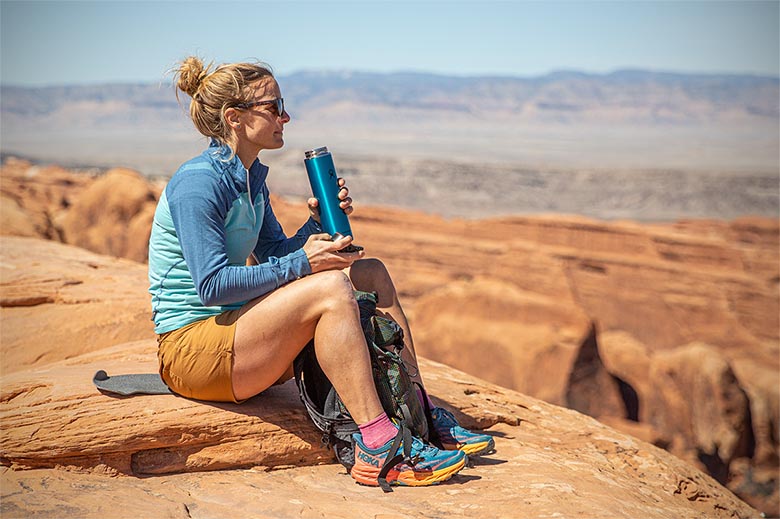
You lose significant fluids through respiration in cold, dry air, but most hikers drink less because they don’t feel thirsty. Carry hot soup in a thermos—it warms you from the inside while hydrating. Store water bottles upside down (ice forms at the top first) inside your pack against your body. Below 20°F, add electrolyte tablets to prevent “slushy” water that’s hard to drink. Never consume snow—it lowers your core temperature as your body melts it.
Foot Care Techniques That Prevent Frostbite
Wet feet are your enemy when hiking in freezing temperatures. Use vapor barrier liners inside your boots to keep insulating layers dry. Wear gaiters to prevent snow from entering your boots. During breaks, remove your outer boots while keeping insulated liners on—this allows your feet to dry without exposing them to freezing air. Check your toes every 30 minutes by wiggling them—loss of dexterity means immediate action is needed.
The frozen wilderness offers unparalleled beauty and solitude, but demands respect through preparation and knowledge. By understanding the precise temperature thresholds, implementing the exact gear systems professionals use, and honoring the critical safety protocols outlined here, you’ll transform potentially dangerous conditions into memorable adventures. Remember: the mountain will always be there tomorrow, but your health and safety are irreplaceable. Start with manageable conditions, build experience gradually, and never let summit fever override your judgment when hiking in freezing temperatures.