
Your dog’s wagging tail and eager eyes beg for trail adventures, but a disastrous hike can happen in minutes without proper preparation. Heatstroke, paw injuries, or unexpected wildlife encounters turn joyful outings into emergencies—especially when 65% of dog hiking accidents stem from preventable oversights like inadequate water or ignored trail regulations. This hiking guide for dogs delivers actionable strategies to protect your pup while maximizing trail enjoyment. You’ll discover how to assess trail suitability for your dog’s fitness level, pack non-negotiable safety gear, and master etiquette that keeps all trail users safe. Whether you’re tackling your first neighborhood path or planning a mountain trek, these vet-verified protocols ensure every hike builds trust instead of trauma.
How to Research Dog-Friendly Trails Without Breaking Park Rules
Skip the disappointment of arriving at a trailhead only to find dogs banned. National parks like Yosemite and the Grand Canyon prohibit dogs on most trails, while state parks often restrict them to paved paths. Always verify regulations through official park websites—not third-party apps—using search terms like “[Park Name] + dog policy + leash requirements.” Cross-reference with recent visitor reviews mentioning “dog access” to catch unposted seasonal closures. For forest service lands, call the local ranger station directly; they’ll clarify if “service animals only” policies apply to your trail. Remember: “leash required” typically means a maximum 6-foot non-retractable leash—violation fines often exceed $300.
What to Do When Trails Ban Dogs
If your dream trail prohibits dogs, pivot immediately to dog-friendly alternatives. Search AllTrails using filters for “dog allowed” and “leashed,” then sort by recent activity to avoid seasonal restrictions. Prioritize trails with water sources like streams or lakes—critical for hydration breaks. For high-elevation hikes, confirm your dog’s breed tolerance; brachycephalic breeds (pugs, bulldogs) risk altitude sickness above 5,000 feet. Always carry proof of rabies vaccination; rangers may request it during patrols.
Preparing Your Dog Physically for Trail Demands
A couch-potato pup attempting a 5-mile hike faces joint damage and exhaustion. Start with 15-minute neighborhood walks on varied surfaces (grass, pavement, gravel) to build paw calluses. Gradually increase distance by 10% weekly—never add mileage and elevation simultaneously. Monitor for limping or lagging; these indicate you’ve overdone it. Senior dogs or arthritis-prone breeds (like German Shepherds) need orthopedic paw boots and shorter distances. Crucially, practice “leave it” commands with trail hazards like mushrooms or berries during training walks. If your dog pants excessively after 20 minutes, consult your vet before attempting trails.
How to Gauge Trail Difficulty for Your Dog’s Fitness
Use this vet-approved scale:
– Beginner: <2 miles, flat terrain (parks, rail trails)
– Intermediate: 2-4 miles, 500-ft elevation gain (grassy hills, packed dirt)
– Advanced: 4+ miles, rocky/steep inclines (requires paw conditioning)
Never push beyond intermediate if your dog shows hesitation—whining or sitting down repeatedly signals distress. Hot pavement tests are critical: place your bare hand on the trail surface for 7 seconds. If it’s uncomfortably hot for you, it’s burning your dog’s paws.
Must-Have Gear Checklist for Dog Trail Safety
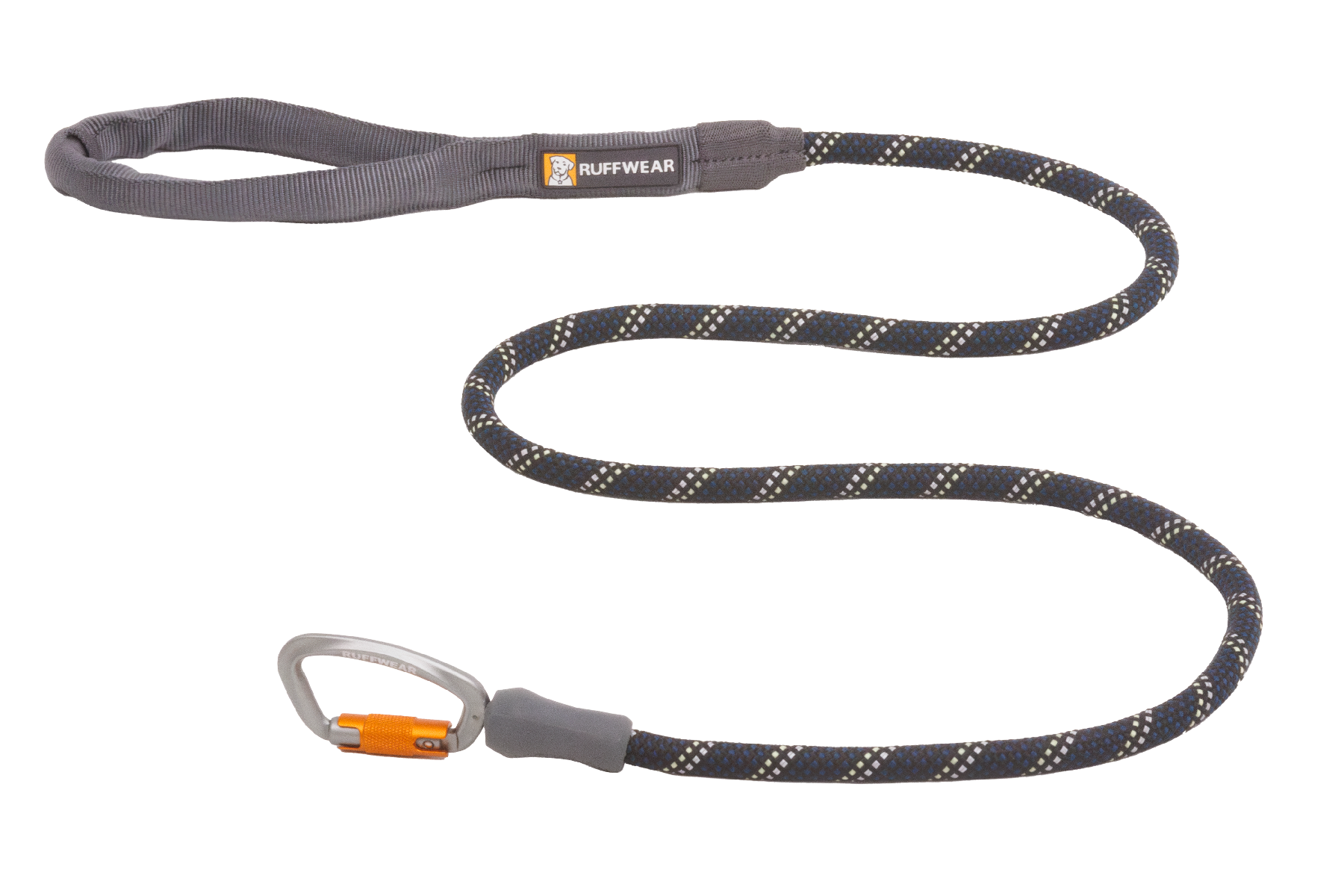
Forget retractable leashes—they tangle on branches and encourage unsafe roaming. A hands-free waist leash (like the Ruffwear Knot-a-Leash) keeps you balanced on steep terrain while maintaining 6-foot control. For water, pack collapsible silicone bowls (not plastic—they tear easily) and 8 ounces of water per mile per dog. In summer, add electrolyte tablets like Nupro to prevent dehydration. Paw protection is non-negotiable: Trekker dog boots shield against hot asphalt and cactus spines, while Musher’s Secret wax prevents snowball buildup in winter. Your canine first-aid kit must include tick twisters (not tweezers—they leave heads embedded), vet wrap, and styptic powder for pad cuts.
Avoid These 3 Dangerous Dog Hiking Gear Mistakes
- Using human sunscreen: Zinc oxide in most sunscreens is toxic if licked off paws. Opt for pet-specific sun balms.
- Overpacking treats: High-fat snacks cause digestive upset mid-hike. Use freeze-dried liver bits instead of biscuits.
- Skipping ID tags: Microchips fail if databases aren’t updated. Attach a tag with your cell number to their harness (not collar—it can snag).
Preventing Heatstroke: Spotting Danger Signs Before It’s Too Late
Dogs can’t sweat like humans—they cool through panting and paw pads, making them vulnerable to heatstroke at temperatures as low as 70°F on humid days. Immediate red flags include:
– Gum color shifting from pink to brick red or pale white
– Vomiting or diarrhea (often bloody)
– Staggering gait or collapse
If you see these, stop hiking immediately. Move to shade, wet your dog’s paws and belly with cool (not ice-cold) water, and offer small sips. Never force water—that risks aspiration. For mild overheating (excessive panting without other symptoms), pause every 20 minutes in the shade. Hike early morning or dusk when temperatures are 10-15°F cooler; asphalt radiates stored heat until midnight.
Protecting Paws from Burns and Cuts on Rocky Trails
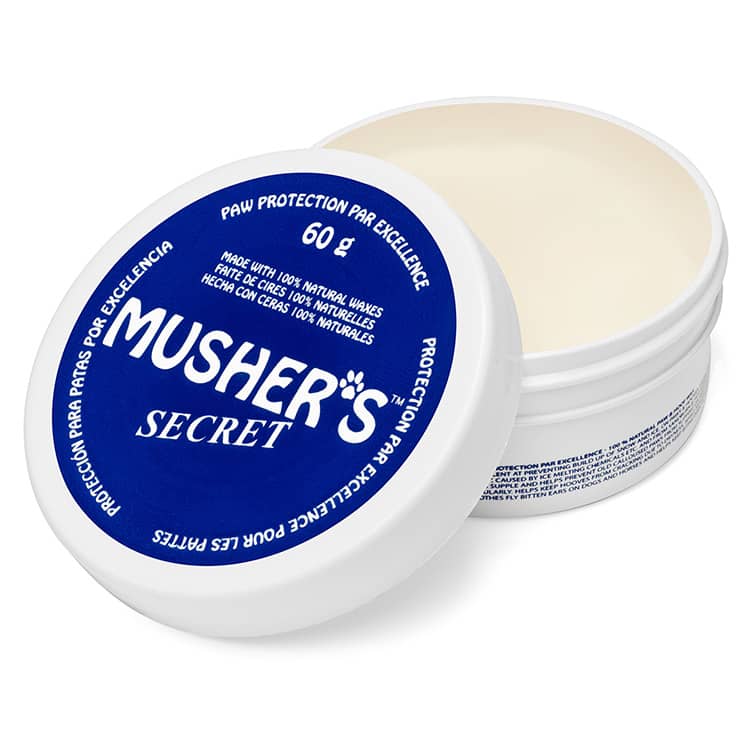
Scorched paw pads from summer trails or hidden glass shards cause infections that sideline dogs for weeks. Inspect paws pre-hike for embedded thorns or cracked pads—treat minor abrasions with Vetericyn spray. On rocky terrain, apply Musher’s Secret wax 12 hours pre-hike to build a protective barrier. If using boots, test them on short walks first; ill-fitting boots cause blisters. Post-hike, rinse paws in lukewarm water for 30 seconds to remove trail salts and irritants, then towel-dry between toes to prevent yeast infections.
When to Use Dog Booties vs. Paw Wax
| Scenario | Booties | Paw Wax |
|---|---|---|
| Hot asphalt (>85°F) | ✓ Critical | ✗ Limited protection |
| Snow/ice | ✓ Prevents “snowballs” | ✓ Supplemental |
| Sharp volcanic rock | ✓ Essential | ✗ Ineffective |
| Light gravel trail | ✗ Overkill | ✓ Ideal |
Avoiding Wildlife and Toxic Plants on Dog Trails

Porcupine quills or snake bites send 12,000 dogs to emergency vets annually. Stay vigilant near logs, brush piles, and water sources—common wildlife hotspots. Teach a rock-solid “leave it” command using high-value treats like chicken during training walks. Memorize local hazards: in the Pacific Northwest, avoid death camas lilies; in the Southwest, steer clear of cactus spines and rattlesnake habitats. Carry a walking stick to gently tap ahead in tall grass—it deters snakes without harming them. Never let your dog investigate animal carcasses; they can transmit parasites like giardia.
Leash Rules: Why 6-Foot is Non-Negotiable for Trail Safety
Voice control fails 43% of the time during wildlife encounters, per field studies. A 6-foot leash ensures you can physically block your dog from charging a bear or harassing a horse. Retractable leashes (like Flexi) are banned in 90% of state parks—they entangle riders and give false security. In off-leash areas, use a 30-foot safety line only if your dog has 100% recall verified by a trainer. When passing horses, cross to the downhill side and speak calmly; horses fear unpredictable movements from behind. Always yield to uphill hikers—your dog’s paws kick loose rocks downhill.
Packing Out Waste: The Only Responsible Trail Practice
Leaving bagged poop “for park cleanup” violates Leave No Trace principles—rangers rarely patrol remote trails. Pack a dedicated odor-proof container like the PoopBags Dispenser with 2 extra bags. Double-bag waste to prevent leaks, then store it in an exterior pack pocket (never with food). At trailheads, dispose of bags in trash cans—not compost bins—since plastic bags don’t biodegrade. Remember: dog waste carries parasites like hookworms that contaminate soil for years.
Post-Hike Dog Care: Tick Checks and Paw Inspections
Ticks transmit Lyme disease within 24-48 hours of attachment. Conduct a full-body scan within 2 hours of returning home, paying special attention to:
– Between toes and paw pads
– Under the collar and ears
– Armpit folds
Use fine-tipped tweezers to grasp the tick’s head (not body) and pull straight out. For burrs or foxtails, apply coconut oil to loosen them before removal. Rinse paws again if they smell sour—this prevents bacterial infections. Offer water immediately but wait 30 minutes before feeding to avoid bloat. Sore muscles? Gentle massage with CBD-free pet balm soothes joints.
The 10-Item Pre-Hike Checklist Every Dog Owner Forgets
Don’t wing it—this vet-approved checklist prevents 95% of trail emergencies:
1. [ ] Park regulations verified (leash laws, dog zones)
2. [ ] 8 oz water per mile per dog + collapsible bowl
3. [ ] Paw protection (boots/wax) for terrain
4. [ ] Tick twisters and vet wrap in first-aid kit
5. [ ] ID tag with current phone number on harness
6. [ ] High-value training treats (not regular kibble)
7. [ ] Waste bags + odor-proof container
8. [ ] Weather-appropriate gear (cooling vest for heat)
9. [ ] Post-hike towel for muddy paws
10. [ ] Emergency contact info in pack
Why Hiking with Your Dog Builds Unbreakable Trust and Bonds
Every trail conquered together reinforces your dog’s confidence in your leadership. When you prevent heatstroke through smart planning or calmly navigate a wildlife encounter, your dog learns you’re their protector in unfamiliar terrain. This trust translates to better behavior at home and reduced anxiety during vet visits. Start with short, successful hikes where your dog associates trails with positive experiences—never push through fear. Pack a favorite toy for summit celebrations, and always end hikes before your dog shows exhaustion. With these protocols, you’ll transform simple walks into lifelong adventures that keep tails wagging mile after mile. Clip that leash, grab your checklist, and step onto your next trail knowing you’ve mastered the art of safe, joyful dog hiking.


