
The crunch of crisp leaves underfoot and vibrant canopy of reds and golds make fall hiking irresistible—but autumn’s beauty hides serious risks. As temperatures plummet and daylight shrinks, unprepared hikers face hypothermia, navigation failures, and trail hazards hidden beneath seasonal foliage. Each year, search and rescue teams respond to dozens of preventable incidents where hikers underestimated fall’s unique dangers. By mastering these critical fall hiking safety tips, you’ll transform potential emergencies into memorable adventures through nature’s most colorful season. This guide delivers actionable strategies you can implement immediately to navigate shorter days, sudden storms, and deceptive trail conditions.
Don’t mistake autumn’s mild mornings for safe hiking conditions. That brilliant blue sky can vanish within minutes, replacing sunshine with icy rain that soaks through inadequate clothing. Meanwhile, trails blanketed in fallen leaves conceal ankle-twisting roots and slick rocks that send even experienced hikers tumbling. With hunting season overlapping peak foliage in many regions, visibility becomes a life-or-death factor. Whether you’re planning a solo day hike or a group trek through New England’s famed color corridors, these protocols address fall-specific threats other seasons don’t pose. You’ll learn precisely what gear saves lives when temperatures crash, how to avoid getting lost as landmarks disappear under leaves, and why your standard summer hiking checklist guarantees trouble when frost appears.
Why Shorter Days Create Deadly Fall Hiking Emergencies
Autumn’s rapidly shrinking daylight transforms routine hikes into potential survival situations. By late October, sunset arrives 2-3 hours earlier than summer peaks, with darkness descending faster in dense forests where canopy blocks twilight. Hikers caught after dark face exponentially increased risks: tripping on obscured terrain, disorientation without landmarks, and plummeting temperatures that trigger hypothermia within minutes. The critical mistake? Waiting until you “feel” darkness approaching before turning back—by then, you’re already cutting it dangerously close.
Prevent Getting Caught in the Dark: Your Sunset Turnaround Protocol
Calculate your absolute turnaround time before leaving home using this foolproof method: Find your trail’s sunset time, subtract 60 minutes for safety buffer, then deduct your hike’s one-way duration. If sunset is at 6:00 PM and your out-and-back hike takes 90 minutes each way, you must turn around by 3:30 PM—not when shadows lengthen at 5:00 PM. Always carry two light sources: A headlamp with fresh batteries plus a backup flashlight in your pack. Test both before hiking, and stash extra batteries in a waterproof bag. When twilight hits, immediately stop to put on your headlamp—don’t wait until you’re stumbling. This simple ritual prevents the panic that leads to poor decisions when visibility drops.
Spotting Hidden Trail Hazards Under Autumn Leaves
That picturesque layer of fallen foliage is a treacherous disguise for trail dangers. Wet leaves become as slick as ice on rocky sections, while dry piles conceal deep holes, protruding roots, and uneven terrain that twists ankles in seconds. In popular hiking areas, heavy foot traffic compresses leaf cover into deceptive carpets that hide sudden drop-offs. The risk multiplies during hunting season when distracted hikers scanning for color overlook critical footing.
Walk with deliberate “snowshoe steps”—place your entire foot down flat rather than heel-first—to maximize traction on slippery surfaces. On descents, zigzag across slopes instead of walking straight down to reduce slide risk. Crucially, wear blaze orange above the waist even if not hunting; a bright scarf or vest makes you visible to hunters 500+ yards away. Check state wildlife agency calendars for local hunting seasons, and avoid high-activity zones like game trails during peak morning/evening hours. When in doubt, choose well-marked park trails over remote wilderness areas during rifle season.
How to Layer Clothing for Sudden Fall Temperature Swings

Autumn’s mercurial weather demands more than just a light jacket. You might start hiking in 60°F sunshine only to battle 35°F winds and rain by midday—a 25-degree swing that overwhelms unprepared hikers. Cotton kills in these conditions; sweat-soaked shirts evaporate heat 20x faster than dry fabric, accelerating hypothermia. The layering system isn’t optional—it’s your mobile climate control system.
Mastering the 3-Layer Survival System for Fall

Start with a moisture-wicking base layer (merino wool or synthetic) that pulls sweat away from skin—never cotton. Add an insulating mid-layer like fleece that traps heat even when damp. Top with a breathable waterproof shell that blocks wind/rain without trapping sweat vapor. The magic happens when you adjust: Unzip your shell during climbs, remove your mid-layer at viewpoints, and add gloves when resting. Pack extras in a waterproof sack: Always carry a warm hat and gloves—you lose 10% of body heat through your head and 50% through extremities. Store them in an easily accessible pocket, not buried in your pack. Pro tip: Place hand warmers in your hat pocket; they’ll heat up by body contact and be ready when shivering starts.
7 Critical Pre-Hike Checks for Fall Safety
Skipping pre-hike preparations turns manageable issues into emergencies when help is hours away. Autumn’s compressed timeframe means errors compound faster—getting lost at 4 PM feels very different than at 2 PM. These non-negotiable steps address fall’s unique threats before you even lace up your boots.
Must-Do Route Research and Emergency Contact Protocol
Download offline maps using Gaia GPS or AllTrails before leaving cell service areas—don’t rely on spotty mountain reception. Cross-reference trail conditions with park service websites for recent closures due to ice or fallen trees. Most importantly: Text your exact itinerary to two contacts including trailhead GPS coordinates, route map screenshot, and specific return time (e.g., “Returning to car by 3:30 PM”). Instruct them to call 911 if you miss your check-in by 30 minutes. This single step reduces rescue response time by 70% according to National Park Service data. If hunting season overlaps your hike, note “HUNTING SEASON ACTIVE” in your text so rescuers prepare appropriately.
Packing the 10 Essentials for Autumn Conditions
Your standard summer kit needs critical fall upgrades. Beyond navigation tools and first-aid, prioritize:
– Hydration: Carry 50% more water than summer hikes—cold air dehydrates you faster without noticeable sweat
– Insulation: Pack an emergency puffy jacket (even on mild days) and a space blanket that doubles as ground insulation
– Nutrition: High-calorie snacks like nut butter packets provide instant heat-generating energy during chills
– Fire: Waterproof matches and cotton balls soaked in petroleum jelly ignite reliably in wet conditions
– Visibility: A whistle (heard 3x farther than shouting) and bright-colored bandana for signaling
Critical fall-specific addition: Chemical hand warmers. Tuck two in your hat pocket—they activate within seconds if hypothermia strikes. Store all gear in waterproof stuff sacks; a soaked sleeping bag won’t save you from 40°F rain.
Immediate Steps to Treat Hypothermia on the Trail
Hypothermia kills faster in fall than winter because hikers dismiss early symptoms during deceptively mild weather. Shivering intensely? Slurring words? Fumbling with zippers? These signal Stage 1 hypothermia—your body is losing heat faster than it can produce it. Waiting to “tough it out” risks fatal confusion and organ shutdown within an hour.
Your 5-Minute Hypothermia Response Plan
- STOP immediately—no more hiking to “reach shelter”
- Shelter from wind/rain using trees, boulders, or your space blanket
- Remove wet layers and replace with dry insulation (emergency blanket next to skin)
- Generate core heat—huddle with group members, share body warmth
- Sip warm, sweet fluids (honey water) if conscious; never give alcohol
Warning: Rubbing cold skin worsens tissue damage. If shivering stops, the person is entering life-threatening Stage 2—activate emergency beacon immediately. Carry a PLB (Personal Locator Beacon) for remote areas; cell service often fails where hypothermia strikes.
Safe Wildlife Encounters During Hunting Season
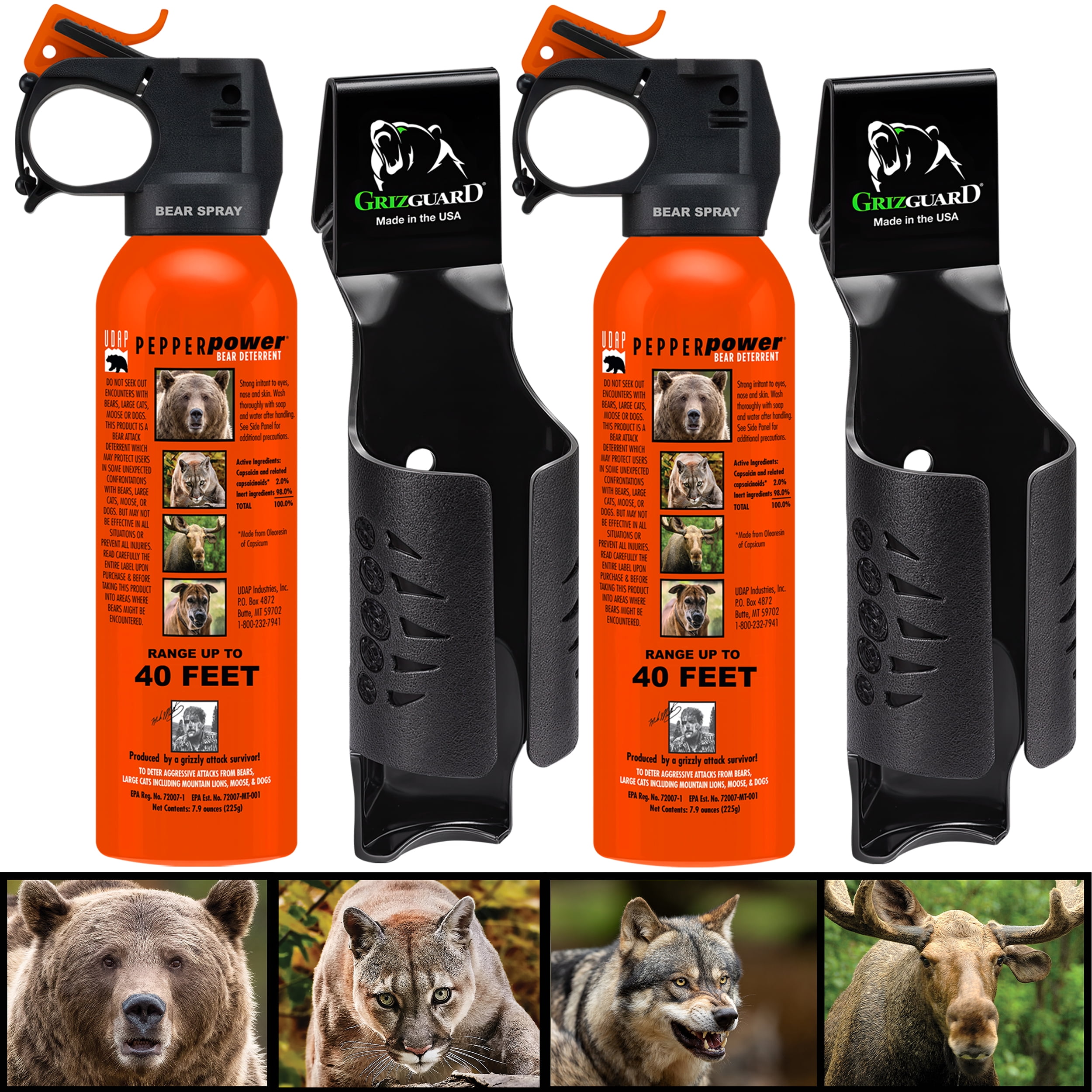
Autumn’s food-scarce landscape drives bears, moose, and deer into higher activity as they prepare for winter. Combined with hunting pressure, this creates volatile wildlife encounters. A startled moose can charge at 35 mph, while bears defending food caches become aggressive. Your visibility protects both you and animals.
Make noise at blind corners using bear bells or periodic loud talking—never hike silently. If you spot wildlife, back away slowly while facing the animal; never run. Carry bear spray (not repellent) accessible on your chest strap, not buried in your pack. During hunting season, supplement blaze orange with noise-making—attach a small hunter’s bell to your pack. If you hear gunshots, move perpendicular to the sound (never toward it) while calling out “HIKER!” in a calm voice. Most hunting accidents occur when prey movement is mistaken for game—your voice prevents tragedy.
Following these fall hiking safety tips transforms seasonal threats into manageable challenges. Remember the golden rule: When in doubt, turn back. That extra hour of daylight or dry spare gloves often determines whether your hike ends with campfire stories or a rescue headline. Store your emergency gear where you can access it with numb fingers, review hunting season maps religiously, and always respect autumn’s beautiful but unforgiving nature. Now lace up those boots—the most breathtaking trails await you, safely. For trail-specific alerts, bookmark your state’s park service “current conditions” page before every hike.