Excessive sweating while hiking transforms even the most scenic trails into soggy, uncomfortable ordeals where you’re drenched within minutes—regardless of fitness level. In humid climates like Southeast Asia or the southeastern U.S., this isn’t just about discomfort; it risks dehydration, painful chafing, and heat-related illnesses when sweat overwhelms your cooling system. As one veteran hiker admits, “I become a human waterfall for half the year.” But you can hike comfortably by strategically managing moisture instead of fighting it. This guide delivers field-tested solutions from hikers who conquer steamy trails daily—from electrolyte hacks to friction-fighting gear—so you stay safe and enjoy every step.
Hydrate Smarter, Not Just Harder
Ignoring electrolyte loss while hiking in heat leads to cramps, fatigue, and dangerous dehydration—even if you’re chugging water. Profuse sweating drains sodium, potassium, and magnesium, which plain water won’t replace. Hikers in extreme humidity report drinking 8+ liters on a single trek without urinating, proving massive fluid loss requires smarter replenishment.
Prioritize Electrolyte-Rich Fluids Over Plain Water
Ditch the assumption that water alone suffices. For hikes exceeding 90 minutes in hot conditions, swap in sports drinks (Pocari Sweat or Gatorade), electrolyte tablets (Nuun or Tailwind), or homemade mixes with salt, sugar, and citrus. Ironman athletes emphasize magnesium and zinc formulas to prevent muscle cramps when you’re sweating excessively while hiking. Always pair these with salty snacks like pretzels or nuts—this combo replaces sodium lost through sweat far more effectively than water alone.
Calculate Water Needs Based on Trail Conditions
Underestimating water needs turns manageable trails into emergencies. A 3-hour hike in 90% humidity may demand 4-6 liters, especially without shade. Map routes around reliable water sources, and always carry a filter or purification tablets—never assume streams are safe. If you’re sweating heavily and not urinating, slow your pace immediately and sip electrolyte fluids every 15 minutes. Remember: “Toughing it out” risks heat exhaustion when your body can’t cool itself.
Optimize Your Clothing for Sweat
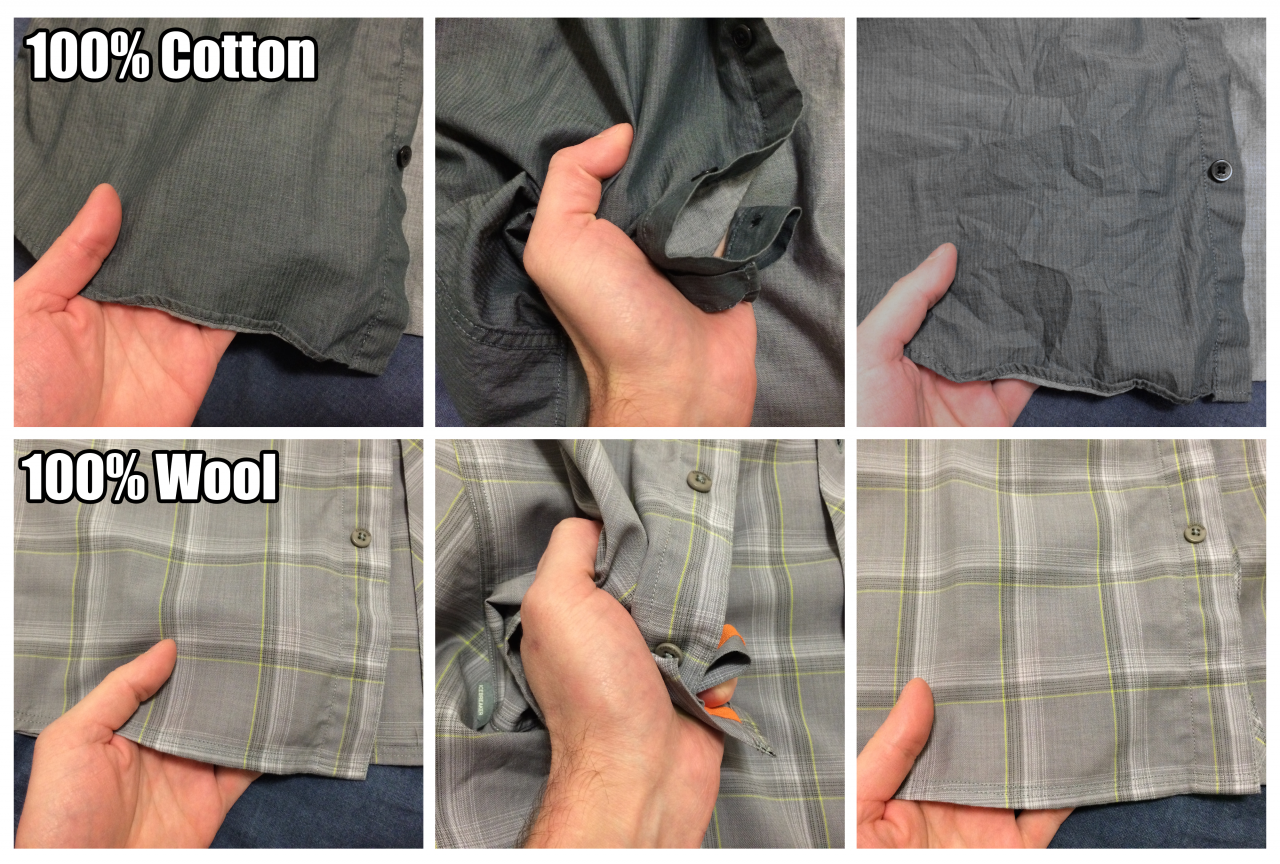
Cotton shirts might seem cool initially, but they become soggy, heavy traps against your skin that worsen chafing and cause dangerous chilling if storms hit. Your clothing must actively move moisture away from your body—not absorb it. In humid environments like Hong Kong or Florida, hikers who conquer excessive sweating while hiking rely on technical fabrics engineered for sweat management.
Choose Merino Wool or Performance Synthetics
Ditch cotton completely for base layers. Merino wool (from brands like Icebreaker or Smartwool) wicks moisture, regulates temperature, and fights odor for days—critical for multi-day treks. For outer layers, prioritize Patagonia’s Capilene Lightweight or Polartec Delta fabric, which pull sweat to the surface for rapid evaporation. Loose-fitting tops like ultralight fishing shirts add sun protection without trapping heat. If you must wear shorts, cut out built-in liners (a major chafe culprit) and opt for ExOfficio boxer briefs underneath.
Gear Critical Zones for Maximum Airflow
Your hat and neck make or break comfort. Wear a breathable ball cap with a moisture-wicking headband or buff underneath to catch sweat before it stings your eyes. For legs, compression shorts prevent thigh rub—a universal complaint among hikers sweating excessively while hiking. Avoid tight seams; flat-lock stitching (found in Louis Garneau or Salomon gear) eliminates friction points. In extreme dry heat, some hikers use loose cotton for evaporative cooling, but this fails catastrophically if humidity spikes or rain hits.
Prevent Friction and Chafe Before It Starts

Chafing—”monkey butt” or raw inner thighs—hurts more than blisters and derails hikes when sweat lubricates skin-on-skin friction. Prevention is non-negotiable for hikers battling excessive sweating while hiking. Relying solely on clothing isn’t enough; strategic skin barriers are essential.
Apply Anti-Chafe Barriers to High-Risk Zones
Slather zinc oxide cream (Desitin) or Body Glide on inner thighs, underarms, and hip belt contact points before you start hiking. These create a waterproof shield that lasts hours, unlike powders that clump when wet. Trail-tested alternatives include Squirrel’s Nut Butter for sensitive skin or petroleum jelly for budget-friendly protection. Reapply during long breaks if you notice stickiness wearing off.
Layer Smartly for Skin Protection
Wear seamless, moisture-wicking base layers under shorts—never bare skin. Thin running tights (like Darn Tough liners) eliminate thigh friction, while toe socks (Injinji) prevent blisters between damp toes. For backpack straps, slide a buff under shoulder straps to wick sweat away from pressure points. Remember: chafing starts before you feel pain, so proactive application is key.
Choose Gear and Pace to Minimize Sweat Buildup
Your backpack and hiking rhythm directly control sweat volume. A poorly ventilated pack turns your back into a swamp, while rushing uphill spikes core temperature and drenches you faster. Adjusting these elements reduces sweat output by up to 30% in humid conditions.
Select Packs with Active Ventilation Systems
Avoid foam-back packs—they guarantee a “back puddle.” Instead, choose models with trampoline-style frames (Osprey’s AirScape or Hyperlite Mountain Gear) that create a 1-inch air gap between your spine and the pack. This airflow evaporates sweat before it soaks through, keeping you drier mile after mile.
Hike Early and Cool Down Your Pace
Start hikes at dawn to avoid peak heat, and slash your speed by 25%. Pushing hard in humidity forces your heart to work harder, generating more sweat. Take 5-minute shade breaks every 45 minutes—sit on rocks still cool from night air. For instant cooling, soak a buff in stream water and drape it around your neck; evaporation drops skin temperature by 10°F within minutes.
Embrace Sweat as Your Cooling Partner
Resisting sweat in humid climates is futile—your body needs it to survive. Veteran hikers in Taiwan and Japan shift focus from “staying dry” to managing sweat’s consequences. This mindset prevents panic when you’re dripping within minutes and keeps you safe.
Change Immediately and Monitor Heat Illness Signs
Post-hike, your #1 priority is ditching wet clothes. Bacterial growth and fungal rashes thrive in damp fabric, so stash dry socks and a shirt in your car. Rinse off sweat as soon as possible—this single step prevents 90% of chafing issues. Crucially, recognize heat exhaustion: dizziness, nausea, or stopping sweating means seek shade, sip electrolytes, and cool your neck/wrists immediately. If sweating is extreme year-round, consult a doctor to rule out hyperhidrosis, but for most, it’s simply efficient cooling.
Adopt the “Wet and Happy” Hiker Mentality
As one Florida trail runner states: “I’m soaked by mile one—I just manage it.” Pack anti-chafe supplies, quick-dry layers, and electrolytes, then focus on the trail’s beauty, not your dampness. Celebrate water breaks, plan routes ending at swimming holes, and remember: sweating excessively while hiking means your body is working perfectly. With these strategies, you’ll hike farther, safer, and happier—even when the humidity hits 90%.
By mastering moisture management instead of fighting sweat, you reclaim trail joy in sweltering conditions. Prioritize electrolytes over water, armor skin against friction, and let your gear do the heavy lifting—then hike on, damp but undeterred.