
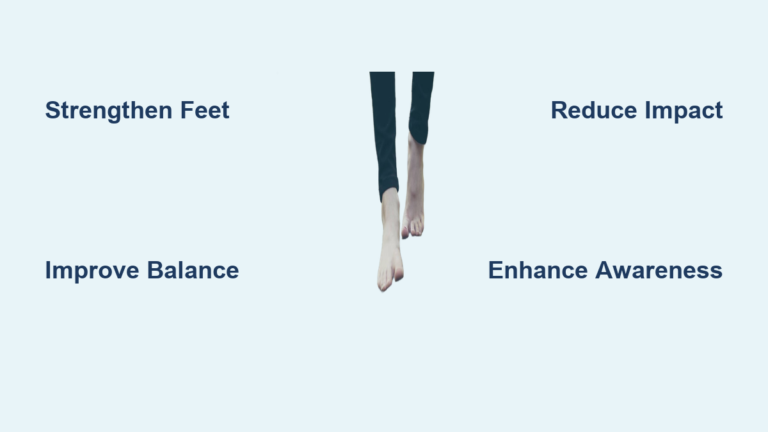
Imagine feeling every pebble, leaf, and contour beneath your feet as you traverse a forest trail. For centuries, humans experienced nature this way—unencumbered by restrictive footwear. Today, a growing number of outdoor enthusiasts are rediscovering the profound benefits of hiking barefoot, reconnecting with the earth in a practice that science is beginning to validate. Your feet contain a quarter of all the bones in your body—52 bones total—along with intricate networks of muscles, tendons, and nerves designed for direct ground contact. When you choose to hike barefoot, you’re not just removing shoes; you’re activating a complex biological system that improves your physical health, mental clarity, and connection to the natural world. This guide reveals the science-backed advantages of barefoot hiking and provides practical steps to safely incorporate this transformative practice into your outdoor adventures.
Why Your Feet Need Barefoot Trail Time for Optimal Function
Hiking barefoot isn’t merely a novelty—it’s a biological necessity your body has evolved to expect. Modern footwear often constrains your feet in ways that weaken their natural architecture and disrupt your movement patterns. When you hike barefoot, your feet regain their evolutionary purpose, functioning as nature designed.
The Trail Gait Transformation: From Heel-Striking to Natural Movement
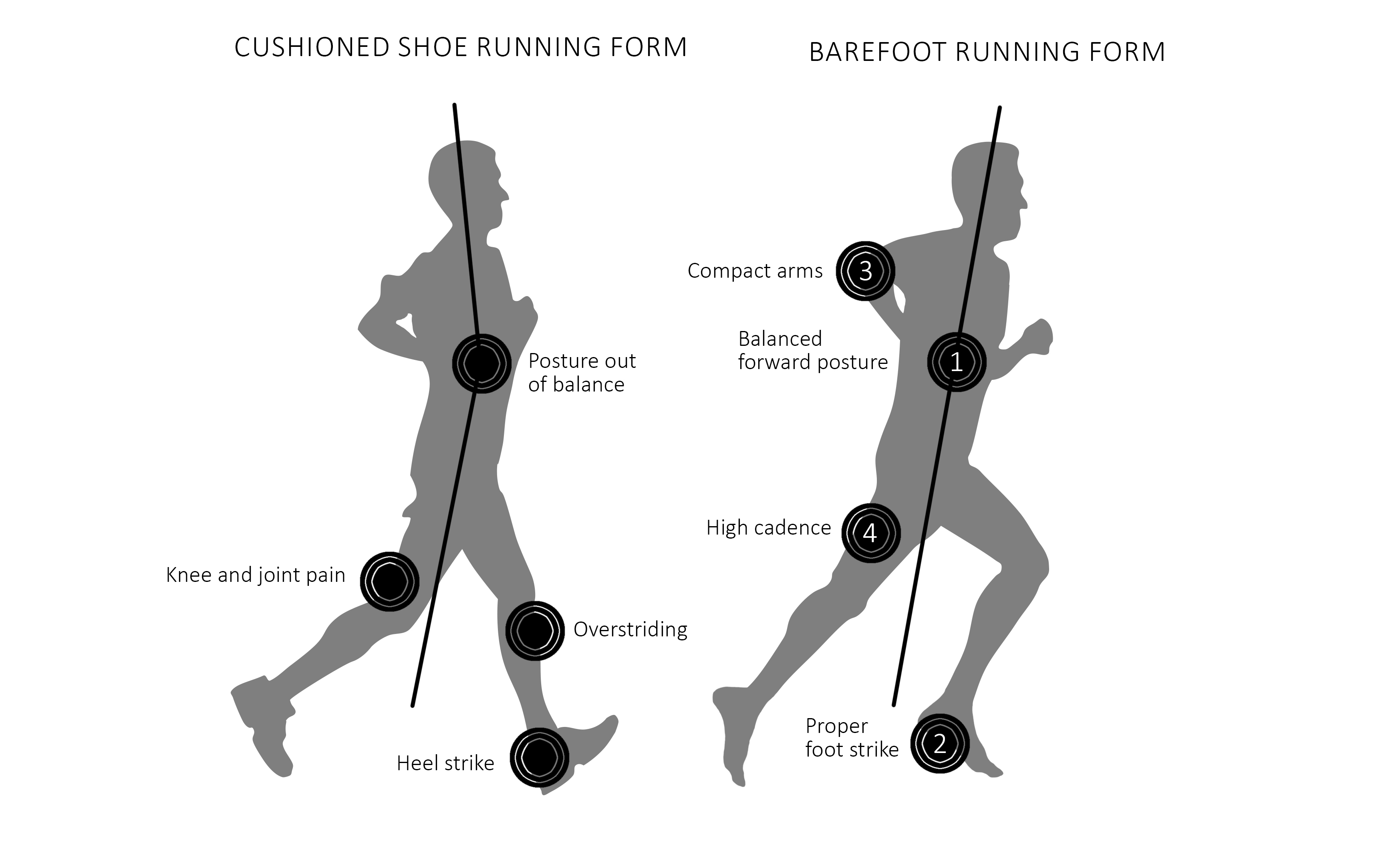
Conventional hiking boots encourage an unnatural heel-strike pattern that sends jarring impacts up your kinetic chain. Barefoot hiking immediately changes this damaging pattern.
- Impact Force Reduction: When you hike barefoot, you instinctively land on your midfoot or forefoot rather than your heel. This natural landing pattern reduces impact forces by up to 7 times compared to heel-striking, allowing your arch, ankle, and leg muscles to absorb shock efficiently.
- Trail Navigation Efficiency: Your stride naturally shortens while your step cadence increases. This creates a lighter, more responsive gait that improves your ability to navigate uneven terrain, respond to trail obstacles, and maintain stability on slippery surfaces.
Building Unshakeable Foot Strength for Challenging Terrain
Your feet are designed to be dynamic structures, not static platforms. Barefoot hiking activates this natural design.
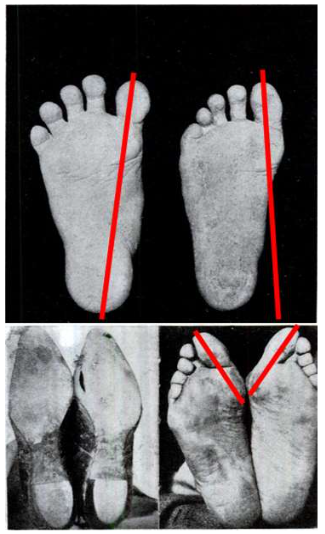
- Muscle Activation Revolution: Restrictive footwear causes the 20+ muscles in each foot to atrophy over time. Barefoot hiking forces these muscles to work continuously, strengthening your arches and plantar fascia. This natural strengthening process creates resilient foot architecture that provides superior support compared to artificial arch supports.
- Injury Prevention on the Trail: Stronger feet mean better stability on uneven terrain. With improved proprioception and foot strength, you significantly reduce your risk of common hiking injuries like ankle sprains. Studies show habitually barefoot populations experience minimal foot problems like bunions and hammertoes—conditions nearly universal in shod societies.
The Sensory Trail Experience: How Barefoot Hiking Awakens Your Nervous System
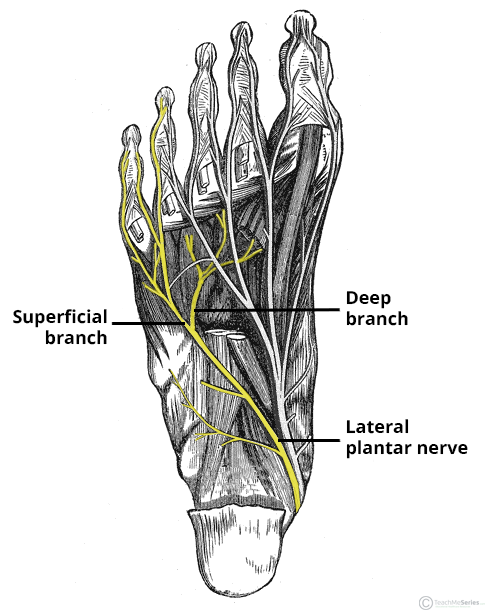
Your feet contain an extraordinary network of nerve endings that conventional footwear silences. Barefoot hiking restores this vital sensory connection, transforming how your brain processes movement and environment.
Enhanced Trail Awareness: Your Feet as Precision Navigation Tools
The soles of your feet function as sophisticated sensory organs that provide critical information about your surroundings.
- Micro-Terrain Feedback Loop: Every rock, root, and slope sends real-time data to your brain through nerve endings in your feet. This constant sensory input allows for immediate micro-adjustments in your balance and foot placement, dramatically improving your ability to navigate technical terrain without conscious thought.
- Dynamic Balance Improvements: With heightened sensory input, your body develops finer motor control. This translates to superior balance on narrow trails, slippery rocks, and uneven surfaces—critical skills for hikers of all experience levels. Research shows this enhanced proprioception can reduce fall risk by up to 30% in challenging trail conditions.
The Mental Reset: Barefoot Hiking’s Cognitive and Emotional Benefits
Barefoot hiking creates a unique mind-body connection that extends far beyond physical benefits.
- Stress Reduction Through Grounding: Direct skin contact with the earth—the practice known as “earthing”—appears to neutralize free radicals and reduce inflammation. Hikers consistently report significant stress reduction and mental calmness during and after barefoot trail experiences, with measurable decreases in cortisol levels.
- Mindful Movement and Mental Clarity: Barefoot hiking demands present-moment awareness. You can’t mentally wander while navigating rocky terrain barefoot. This forced mindfulness pulls you out of rumination and into your body, often resulting in enhanced mental clarity and problem-solving abilities that persist long after your hike ends.
Specific Health Transformations from Regular Barefoot Trail Time
Physical Health Improvements You’ll Notice Within Weeks
- Foot Architecture Reinvention: Within 4-6 weeks of regular barefoot hiking, most people experience noticeable strengthening of their arches and intrinsic foot muscles. This natural development eliminates reliance on artificial arch support and prevents common foot deformities like bunions and hammertoes.
- Posture and Spinal Alignment Benefits: Barefoot hiking promotes proper alignment starting from your feet upward. This creates a domino effect of improved posture that reduces strain on your knees, hips, and lower back—common pain points for traditional hikers.
- Circulation Boost: The varied pressure and muscle activation during barefoot hiking acts as a natural pump for blood and lymphatic fluid in your lower extremities. Many hikers report reduced swelling and improved recovery after long days on the trail.
Performance Enhancements for Serious Trail Adventurers
- Trail Running Efficiency Gains: Studies show barefoot or minimalist trail runners experience 2-4% improvements in running economy. This translates to covering more ground with less energy expenditure—a critical advantage during long hikes or endurance events.
- Injury Rate Reduction: Research indicates properly adapted barefoot hikers experience fewer stress fractures and knee/hip injuries. The natural gait pattern and strengthened foot architecture distribute impact forces more evenly throughout the body.
How to Start Barefoot Hiking Without Injury or Discomfort
Transitioning to barefoot hiking requires strategic adaptation to avoid setbacks while maximizing benefits. Your body needs time to rebuild muscles that have been dormant under conventional footwear.
The Smart 8-Week Barefoot Hiking Progression Plan
Begin your barefoot hiking journey with these evidence-based steps:
- Weeks 1-2: Short Indoor/Outdoor Sessions – Start with 15-20 minutes daily on soft, clean surfaces like grassy trails or sandy paths. Focus on mindful walking, feeling each part of your foot make contact with the ground.
- Weeks 3-4: Gradual Surface Expansion – Increase to 30 minutes daily, introducing varied but forgiving surfaces like packed dirt trails. Pay attention to how your feet respond to different textures.
- Weeks 5-6: Technical Terrain Introduction – Extend sessions to 45 minutes, carefully navigating gentle rocky sections. Your feet will begin developing natural calluses and improved sensitivity to terrain.
- Weeks 7-8: Full Trail Integration – Progress to 60+ minute hikes on varied terrain. Many hikers find they can comfortably transition to primarily barefoot hiking during this phase.
Critical Safety Considerations for Trail Barefooting
- Terrain Assessment Protocol: Before each hike, scan the trail for potential hazards. Start on familiar routes where you know the surface conditions. Avoid extremely hot surfaces (like sun-baked rock in summer) or freezing ground until you’ve built tolerance.
- Pain vs. Discomfort Recognition: Mild muscle soreness in your calves and feet is normal during adaptation. Sharp pain, particularly in your arches or heels, signals you’ve progressed too quickly—scale back immediately.
- Foot Hygiene Practices: Wash your feet thoroughly after hiking, especially if you’ve encountered muddy or potentially contaminated surfaces. Consider carrying antiseptic wipes for quick cleaning during longer hikes.
By embracing barefoot hiking, you’re not just changing footwear—you’re reconnecting with an evolutionary practice that strengthens your body, sharpens your mind, and deepens your connection to nature. The initial adaptation period pays dividends through reduced injury risk, enhanced trail performance, and a more profound outdoor experience. As your feet grow stronger and more sensitive, you’ll discover trail details previously hidden by thick soles, transforming every hike into a richer, more engaging adventure. Start with short sessions on safe surfaces, respect your body’s adaptation timeline, and soon you’ll experience why humans thrived barefoot for millennia before modern footwear entered the picture. Your feet were designed for this—they’re waiting to show you what they can do.