
There’s nothing quite like snipping fresh basil for your pasta sauce or plucking ripe cherry tomatoes straight from the vine for your salad. Learning how to build a kitchen garden transforms your cooking experience by putting hyper-fresh ingredients just steps from your kitchen door. Whether you’re working with a sprawling backyard, a modest balcony, or even just a sunny windowsill, you can create a productive food source that elevates every meal you prepare. This guide cuts through the gardening jargon to give you exactly what you need to know to establish a thriving kitchen garden—no prior experience required. You’ll discover practical methods to maximize your space, select foolproof crops, and avoid common pitfalls that frustrate beginners.
Imagine stepping outside each morning to harvest your breakfast ingredients—crisp greens for smoothies, fragrant herbs for omelets, and maybe even strawberries still warm from the sun. A well-planned kitchen garden delivers this reality while reducing grocery bills and eliminating food miles. The best part? You don’t need acres of land or specialized equipment to get started. By following these proven steps, you’ll create a personalized food oasis that matches your available space and culinary preferences, ensuring you actually use what you grow.
Choosing Your Perfect Kitchen Garden Layout
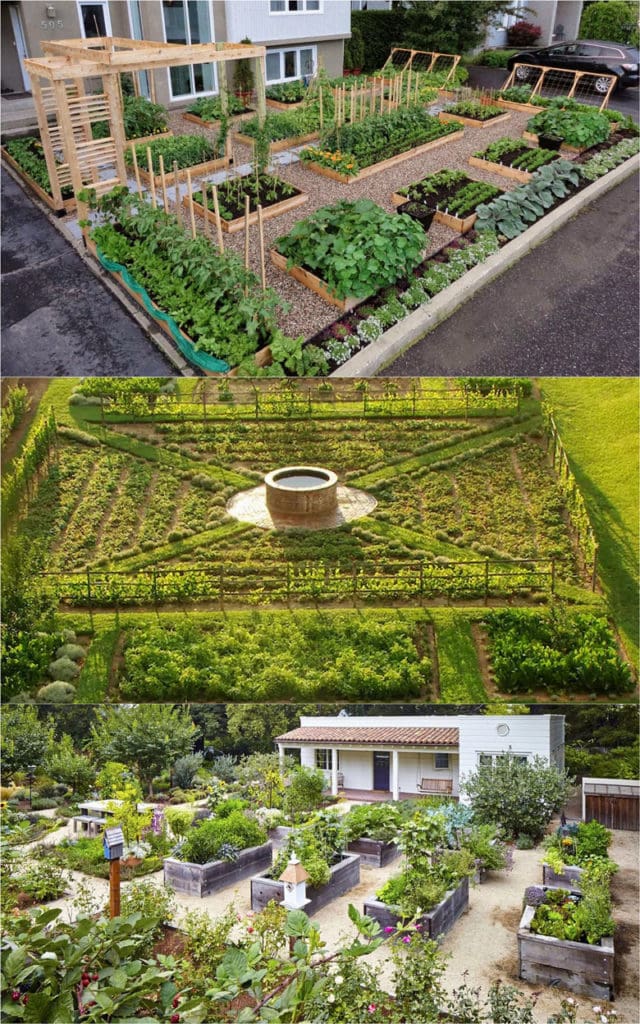
Before you plant a single seed, selecting the right garden format prevents wasted effort and disappointment. Your space constraints and physical abilities should dictate your approach—trying to force a method that doesn’t fit your reality guarantees frustration.
Matching Garden Styles to Your Space
Your kitchen garden must work with your actual living situation, not some idealized version. For ground-level homes with decent yard space, in-ground beds offer the most economical solution but require significant soil preparation. Break new ground by removing sod, then mix 4-6 inches of compost into the top 8 inches of native soil using a garden fork—this improves drainage while adding nutrients without expensive raised bed construction.
If you’re dealing with poor native soil or limited mobility, raised beds provide immediate advantages. Build simple 4×4 foot boxes from untreated lumber (cedar lasts longest) filled with a 60/40 mix of topsoil and compost. The elevated design reduces bending, prevents soil compaction from foot traffic, and warms faster in spring—giving you a crucial head start on the growing season. For apartment dwellers or those with only balcony space, container gardening delivers surprising productivity. Use 5-gallon fabric pots for tomatoes (choose compact varieties like ‘Patio Princess’), self-watering pots for herbs, and hanging baskets for trailing nasturtiums whose edible flowers add color to salads.
Critical Location Factors That Determine Success
Your garden’s location makes or breaks your harvest—no amount of care can compensate for fundamental environmental mismatches. Most vegetables need 6-8 hours of direct sunlight daily, but many beginners make the mistake of placing gardens in partially shaded areas “just to have them near the kitchen.” Instead, track sun patterns across potential spots for three consecutive days using a simple notebook. Mark where shadows fall at 9 AM, noon, and 3 PM—this reveals true sun exposure that determines which crops will thrive.
Equally important is water accessibility—if you can’t reach your garden with a hose or watering can in 30 seconds, you’ll skip watering during busy periods. Position your garden within 15 feet of an outdoor faucet, or install a rain barrel system that collects roof runoff. For container gardens, group pots by water needs: thirsty tomatoes together, drought-tolerant rosemary elsewhere. The soil must drain freely—test drainage by digging a 1-foot hole, filling with water, and timing how long it takes to empty. If it takes more than 4 hours, you’ll need raised beds or containers to prevent root rot.
Planting Your First Productive Kitchen Garden
Soil Preparation That Actually Works
Forget expensive soil tests—most beginners succeed with this simple soil formula: For in-ground gardens, spread 3 inches of mature compost across the area, then mix in 2 inches of aged manure using a broadfork (which aerates without disturbing soil structure). Raised beds need a different approach—fill with a 50/50 blend of high-quality potting mix and compost, avoiding garden soil which compacts in confined spaces. Container gardens require pure potting mix with perlite for aeration; never use regular soil which becomes waterlogged in pots. Before planting, mix in a slow-release organic fertilizer like Espoma Garden-tone according to package directions—this provides steady nutrition without burning tender roots.
Smart Plant Selection for Maximum Kitchen Use
Beginners waste energy growing crops they won’t actually use—instead, focus on high-impact, easy-to-grow varieties that appear frequently in your favorite recipes. Start with these proven performers:
- Herbs: Basil (great for pesto and caprese salads), chives (sprinkle on potatoes), and mint (for mojitos and teas) grow vigorously in 8-inch pots. Snip outer leaves regularly to encourage bushier growth.
- Salad staples: Loose-leaf lettuce varieties like ‘Salad Bowl’ and ‘Oakleaf’ provide continuous harvests when you cut outer leaves. Plant every two weeks for non-stop supply.
- Compact tomatoes: Cherry types like ‘Sweet Million’ produce abundantly even in 5-gallon containers. Look for “determinate” varieties that stay bushy rather than vining.
- Quick radishes: ‘Cherry Belle’ matures in 22 days—perfect for building beginner confidence. Plant in shallow containers since they need only 4 inches of soil depth.
- Bush beans: ‘Provider’ beans grow without support and produce heavily for weeks. Direct sow after soil warms to 60°F.
Foolproof Planting Techniques for Beginners
Timing matters more than most guides admit—planting too early in cold soil causes seed rot, while late planting misses optimal growing windows. For cool-season crops like lettuce and radishes, plant seeds 2 weeks before your last expected frost date. Warm-season crops like tomatoes go in 2 weeks after that date when soil consistently reaches 60°F. When sowing seeds, follow this golden rule: plant at a depth twice the seed’s width. Tiny lettuce seeds barely need covering, while fat bean seeds go 1 inch deep.
For transplants like tomatoes, bury the stem deeper than the pot—remove lower leaves and plant up to the first set of healthy leaves. This encourages stronger root development along the buried stem. Water seedlings immediately after planting with a diluted seaweed solution (1 tablespoon per gallon) to reduce transplant shock. Then apply a 2-inch layer of straw mulch to conserve moisture—this simple step cuts watering frequency by 50% while preventing soil splash that spreads diseases.
Daily Maintenance That Prevents Disaster
Watering Like a Pro (Not a Beginner)
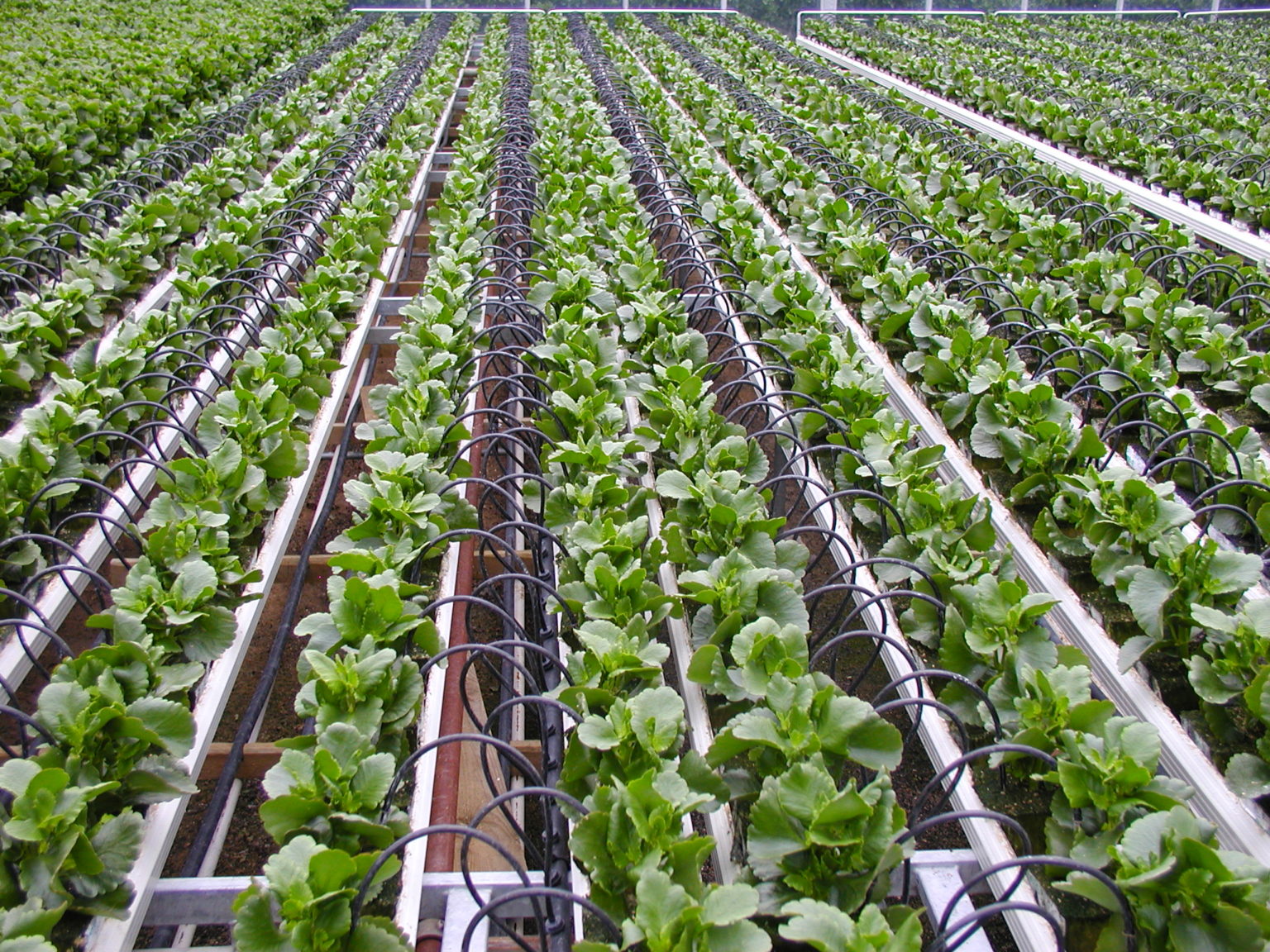
Most new gardeners either drown or starve their plants through inconsistent watering. Check soil moisture daily by inserting your finger knuckle-deep near plant roots—water only when dry at that depth. When you do water, soak thoroughly until excess drains from container bottoms or penetrates 6 inches deep in garden beds. This encourages roots to grow downward rather than staying shallow. Water early in the morning when evaporation is lowest, directing flow at the base of plants to avoid wetting leaves (which spreads fungal diseases). During heatwaves, add a tablespoon of molasses per gallon of water—this feeds beneficial soil microbes that help plants withstand stress.
Natural Pest Control That Actually Works
Forget chemical sprays—most garden pests can be managed through simple cultural practices. Plant marigolds throughout your garden—their roots exude compounds that repel nematodes, while their flowers attract beneficial insects. Check plants every morning for aphids or caterpillars, removing pests by hand or spraying with a strong water jet. If you spot yellowing leaves with white powder (powdery mildew), mix 1 tablespoon baking soda and 1 teaspoon neem oil in a quart of water and spray affected plants weekly. Rotate crops annually—don’t plant tomatoes where peppers grew last year—to disrupt pest cycles. For cutworms that decapitate seedlings, wrap cardboard collars around plant stems at soil level.
Avoiding Costly Beginner Mistakes

Overcrowding kills more gardens than pests—those tiny seedlings you plant 2 inches apart will become 2-foot-wide plants. Follow spacing guidelines on seed packets religiously, and thin crowded seedlings by snipping excess plants at soil level (never pulling, which disturbs neighbors’ roots). Reading seed packets prevents wasted seasons—they reveal crucial details like “needs 70°F soil to germinate” or “requires 70 days to maturity” that determine if a crop suits your climate. Start with just 5-6 varieties you use regularly rather than 20 different plants—this focused approach builds confidence through success.
Most importantly, embrace imperfection—your first garden won’t be Instagram-perfect, and that’s okay. When pests eat your first kale crop, plant more. When tomatoes crack from uneven watering, adjust your schedule. Every “failure” teaches you what your specific garden needs. Within one season, you’ll develop the intuition that transforms you from a beginner into a confident kitchen gardener who consistently harvests fresh ingredients for home cooking.
Building a kitchen garden isn’t about creating a botanical display—it’s about putting delicious, nutritious food on your table with minimal effort. By starting small with the right crops in the right location, you’ll enjoy harvests within weeks while building skills for future seasons. Your journey from store-dependent cook to self-sufficient gardener begins with just one pot of basil on your windowsill—plant it today and taste the difference tomorrow.


