
Your kitchen rug isn’t just decor—it’s a functional shield against spills, fatigue, and floor damage. Yet 68% of homeowners trip over poorly secured rugs or battle stubborn stains because they skipped critical placement steps. How to place rugs in kitchen spaces demands strategic thinking beyond tossing down a pretty mat. Get it wrong, and you’ll face daily tripping hazards or ruined flooring; nail it, and you’ll gain comfort, style, and protection where you need it most. This guide cuts through the guesswork with precise measurements, layout-specific tactics, and material hacks proven in real kitchens.
Forget generic advice—you’ll learn exactly where to position rugs for sink zones, islands, and dining areas while avoiding the 5 most dangerous placement mistakes. We’ll cover non-slip solutions that actually work, size formulas for any table or island, and why your rug choice could save you 10+ hours of deep cleaning yearly. Let’s transform your kitchen from a hazard zone into a cohesive, comfortable hub.
Kitchen Sink Rug Placement: Stop Slips and Soak Spills
Positioning a rug in front of your sink targets the spot where you stand longest—washing dishes or prepping meals. Skip this, and you’ll pay for it with sore feet and water-damaged floors. A runner here absorbs splashes while cushioning your stance, but sizing it correctly is non-negotiable.
Measure for Maximum Coverage Without Tripping
For single-basin sinks with standard 36-inch base cabinets, your runner must extend at least 12 inches beyond the cabinet on both sides. Aim for 24-inch width and 60-inch length minimum. This ensures full coverage when you lean over the sink, preventing water from seeping under the edges. If your cabinet is wider (like 42-inch farmhouse sinks), add 6 inches to both dimensions. Crucially, the rug’s edge should sit 4 inches away from the cabinet front—any closer, and cabinet doors will catch the fabric when opened.
Why Flatweave Polypropylene Wins for Sink Zones
Choose low-pile polypropylene (olefin) rugs here—they dry 3x faster than cotton after spills and resist mildew. Avoid jute or high-pile shags; their textured surfaces trap food particles and become slippery when wet. Pro tip: Place the rug only where you stand, not under the entire sink base. This keeps it clear of cabinet hinges while protecting your most-used zone.
Dining Area Rug Sizing: Keep Chairs on the Rug When Pulled Out

A rug under your kitchen table anchors the space but fails if chairs slide off onto bare floors. This creates wobble hazards and scratches hardwood. The fix? Size it so chairs stay fully on the rug even when seated.
The 24-Inch Extension Rule for Table Rugs
Add 24 inches to both the length and width of your table. For a standard 42″ x 72″ dining table, your rug must be at least 66″ x 96″. Measure from the table’s outer edge when chairs are pulled out—you should have 12 inches of rug beyond each chair’s back legs. Skip this, and chairs will catch rug edges when pushed in, fraying the fabric or toppling drinks.
Island Rug Positioning: Avoid Blocking Stool Movement
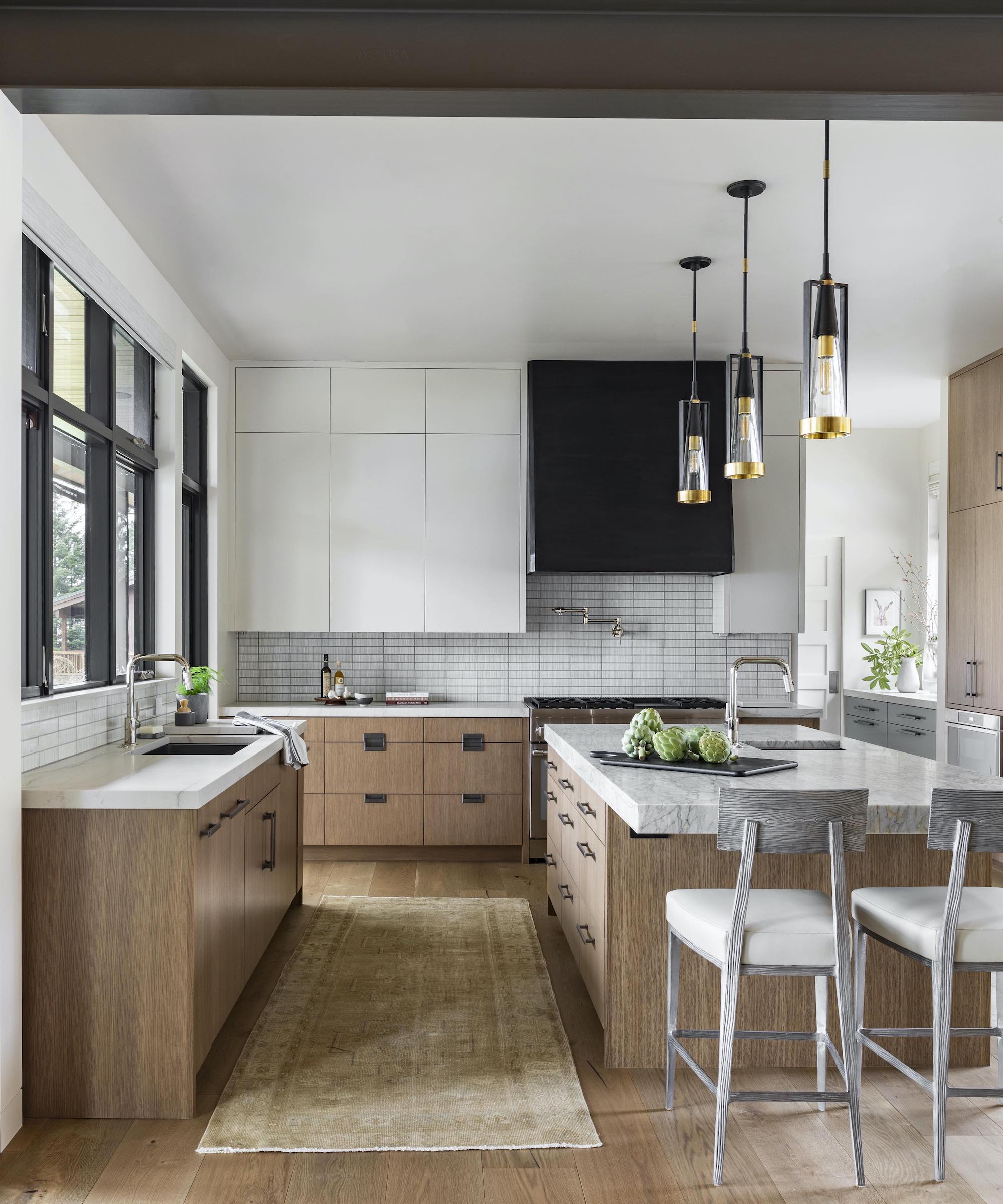
For kitchen islands, place rugs only along the seating side—not underneath. A 4×6 or 5×8 rug centered 6 inches from the island’s front edge gives standing room for stools without impeding foot traffic. If your island has a 12-inch overhang (common for 36-inch deep counters), ensure the rug starts 4 inches behind the overhang line. This prevents stool legs from catching the rug’s edge when swiveling.
Critical Rug Material Choices for Kitchen Safety

Your rug’s material determines whether it’s a hero or hazard. Kitchens demand stain resistance, quick drying, and zero slip risk—traits most living room rugs lack.
Top 3 Kitchen Rug Materials (and Why Wool Fails)
- Polypropylene (Olefin): Machine-washable, bleach-safe, and repels oil splatters. Ideal for sink zones where bacon grease or wine spills happen daily.
- Cotton Dhurries: Flatweave cotton rugs (like dhurries) resist crumbs but require immediate spot-cleaning for liquid spills—they’ll stain if left >10 minutes.
- Avoid Wool: Despite natural flame resistance, wool absorbs spills like a sponge. Once stained by coffee or tomato sauce, professional cleaning is unavoidable.
Non-Negotiable Features: Slip Resistance and Low Profile
Never skip a rug pad—even on vinyl floors. High-density foam pads with silicone grip (like Mohawk Home) prevent slips better than rubber backings. Pair with rugs under 0.5 inches thick; thicker rugs buckle under appliance traffic. Pro tip: Test slip resistance by stomping firmly on the rug-padded combo. If it shifts >1 inch, replace the pad.
Securing Rugs in High-Traffic Zones Without Damaging Floors
Rug tape leaves gummy residue on hardwood and pulls up luxury vinyl plank. The only safe solution? A dual-layer pad system:
- Place a thin felt underpad (like Gorilla Grip) directly on the floor.
- Top it with a gripper pad (e.g., Contour Lock) that “bites” into the rug’s backing.
This sandwich prevents sliding without adhesives. For throw rugs near dishwashers, cut pads 2 inches smaller than the rug—so water drips hit the floor, not the pad.
Layout-Specific Placement Tactics
Galley Kitchens: Runners That Guide Traffic Flow
In narrow galley layouts, center a 27-inch wide runner down the main path. It must end 12 inches before stove/dishwasher fronts so appliance doors don’t snag it. Choose geometric patterns that draw the eye forward—making the space feel 20% longer.
Open-Concept Kitchens: Define Zones with Oversized Rugs
Anchor the kitchen-dining area with an 8×10 rug that extends 18 inches beyond your table on all sides. This creates a visual “room within a room.” Crucially, align the rug’s edge with your sofa’s front legs in adjacent living areas—avoiding awkward gaps that disrupt flow.
Appliance Zones: Targeted Mats That Catch Drips
- Fridge/Dishwasher: Place 20×30-inch mats where you stand to load/unload. Polypropylene mats here prevent water rings from condensation.
- Stove: Use flame-resistant silicone mats (not rugs) directly in front—rugs near burners risk grease ignition.
5 Kitchen Rug Placement Fails That Cause Injuries
- The “Postage Stamp” Rug: Tiny 2×3 rugs centered in walkways create trip hazards. Solution: Cover the entire standing zone (e.g., from sink to counter).
- Rugs Under Full Island Bases: Stool legs catch rug edges when moving, spilling hot food. Stick to front-only placement.
- Ignoring Door Swing Arcs: Measure cabinet/appliance door paths—if they swing over the rug, cut its size back by 6 inches.
- White Rugs Near Cooking Zones: Grease splatters turn white rugs yellow within weeks. Opt for dark patterns that hide stains.
- Skipping Pad Edges: Pads cut flush with rugs slide. Always trim pads 1 inch smaller than rugs so edges grip the floor.
Pro Maintenance Hacks for Lasting Rug Performance
Extend your rug’s life with these kitchen-specific moves:
– Daily: Shake crumbs off flatweave rugs outdoors—never vacuum (it frays fibers).
– Weekly: Spot-clean polypropylene with 1:1 vinegar-water sprays; blot immediately.
– Monthly: Machine-wash removable tops (like Ruggable) on cold, gentle cycle.
– Emergency Spills: Cover oil splatters with cornstarch for 15 minutes before wiping—it absorbs grease faster than paper towels.
Final Note: Perfect kitchen rug placement balances aesthetics with physics—your rug must survive spills, traffic, and daily wear without becoming a hazard. Start with a sink-zone runner using the 24×60-inch rule, secure it with a dual-layer pad, and choose polypropylene for effortless cleaning. Measure twice with painter’s tape on your floor before buying, and never let rugs block appliance access. With these tactics, your kitchen rug will deliver comfort for years, not headaches. Ready to upgrade? Measure your sink zone today and compare machine-washable options that turn rug care from chore to breeze.


