

Your kitchen should feel like a warm hug after a long day—not a sterile showroom. When you master how to make kitchen cozy, you create the heart of your home where conversations flow as easily as morning coffee. Imagine lingering over steaming mugs while golden light filters through linen curtains, surrounded by textures that invite touch. This isn’t about expensive renovations; it’s about intentional details that turn functional space into soul-soothing sanctuary. You’ll discover small changes with big impact—like swapping harsh lighting for layered glows or adding lived-in charm through well-loved ceramics. By the end, you’ll have a kitchen that doesn’t just feed bodies but nourishes spirits too.
Most kitchens fail at coziness because they prioritize efficiency over emotion. Cold countertops, glaring LEDs, and bare surfaces scream “work zone,” not “welcome zone.” But transforming this space requires zero construction permits—just strategic warmth. The magic lies in engaging all five senses: the scent of simmering herbs, the sound of crackling radio, the feel of woven placemats under your palms. Forget perfection; cozy kitchens thrive on imperfect charm. Let’s turn yours into a sanctuary where even washing dishes feels like self-care.
Layer Textured Fabrics for Instant Warmth Underfoot
Hard surfaces dominate kitchens, but textiles absorb sound and soften edges literally overnight. Start with flooring: place a 2×3-foot washable jute rug in your main work zone. This natural fiber adds earthy texture while cushioning tired feet during meal prep—you’ll feel the difference after standing just 10 minutes. For high-traffic areas, choose flatweave cotton runners with non-slip pads; they withstand spills yet add pattern without visual clutter.
Window treatments make or break coziness. Swap vinyl blinds for unlined linen curtains hung just below the ceiling. This trick creates height while diffusing light into a gentle glow—perfect for evening chopping sessions. Opt for fabric with subtle texture like raw silk or slubby cotton; it catches light beautifully when backlit by sunset. Pro tip: Hang curtains wider than the window frame to create soft folds that frame the view like a painting.
Don’t forget small textile accents. Drape a chunky-knit throw over your breakfast nook bench for chilly mornings. Swap paper towels for absorbent linen tea towels in muted tones (think oatmeal or sage), then hang them from vintage hooks near the sink. These functional details signal “lived-in love” far better than sterile perfection.
Install Warm Lighting Layers That Mimic Candlelight
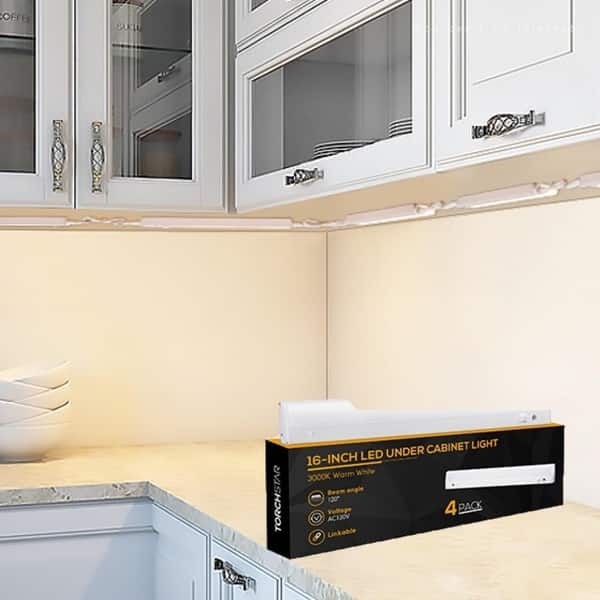
Harsh overhead lights murder coziness—period. The fix? Create candlelit ambiance through strategic layering. First, ditch the main fixture during evening hours. That single bright bulb flattens textures and casts unflattering shadows. Instead, install dimmable under-cabinet LEDs (2700K warmth) that illuminate countertops like moonlight on snow. You’ll instantly see food details better while eliminating eye strain.
Next, add task lighting where you linger. Hang a woven rattan pendant over your island—its organic pattern casts dancing shadows on surfaces. For coffee corners, place a ceramic table lamp with a fabric shade on open shelving; its 40-watt bulb creates a “reading nook” vibe by 7 PM. Finally, weave in magic with fairy lights: tuck battery-operated warm-white strands inside glass-front cabinets to make dishware glow like treasure. Avoid cool-white bulbs at all costs—they read as clinical, not comforting.
Display Natural Elements That Bring the Outdoors In

Sterile kitchens feel like labs, not homes. Counter this with wood accents that radiate warmth. Place a live-edge walnut cutting board (not in use) against the backsplash as art. Swap plastic containers for open wooden bowls holding potatoes or onions—they add organic texture while keeping produce fresh. If renovating, choose butcher block countertops over quartz; their knife scars tell stories.
Greenery breathes life into hard surfaces. Propagate pothos cuttings in clear jars on windowsills—their trailing vines soften sharp corners. Grow rosemary in a terra-cotta pot on the counter; its fragrant leaves double as cooking ingredients. For low-light kitchens, try ZZ plants in woven baskets—they thrive on neglect while adding sculptural interest. Remember: one thriving plant beats ten fake ones.
Design a Coffee Nook That Invites Lingering

Even tiny kitchens need a dedicated cozy corner. Claim 3 square feet by tucking a vintage ladder-back chair into a window alcove. Add a side table (repurpose a wooden crate) for your mug, then drape a sheepskin rug over the chair seat. Install a wall-mounted shelf above for cookbooks and a small wireless speaker. This micro-zone says “stay awhile” without requiring major layout changes.
Light it intentionally: Clip a swing-arm wall lamp above the chair. When open, it illuminates pages; when folded, it disappears. Choose a shade in warm rattan to cast dappled light—ideal for 6 AM reading sessions. Pro tip: Store cozy extras in the seat cushion: a folded blanket for chilly mornings, tea bags, and a honey dipper.
Activate Scent and Sound for Full-Sensory Coziness
A truly cozy kitchen engages smell and sound, not just sight. Simmer citrus peels and cinnamon sticks in water while cooking—it creates instant hygge without overpowering meals. Place a small essential oil diffuser on a back counter with cedarwood oil (2 drops); its earthy scent grounds the space without competing with food aromas. Avoid vanilla candles near stoves—they can trigger smoke alarms.
Sound design matters more than you think. Keep a Bluetooth speaker charging on open shelving. Curate playlists: acoustic folk for Sunday brunches, jazz for dinner prep. Volume should be low enough to hear rain on windows but high enough to mask fridge hum. When alone, try ASMR cooking videos—the whispery sounds make solo prep feel communal.
Showcase Personal Treasures That Tell Your Story
Cozy kitchens feel uniquely yours, not Pinterest-perfect. Dedicate one open shelf to “imperfect heirlooms”: your grandmother’s chipped teacup collection, kids’ hand-painted mugs, or travel souvenirs like Turkish coffee pots. Group items by color family (all cream ceramics) for cohesion without rigidity.
Display handwritten elements that spark joy. Frame recipe cards in clipboards and lean them against walls. Tape children’s “restaurant menus” to cabinet doors. These human touches signal “this space is loved,” inviting others to share their stories too. Avoid matching sets—mixing textures (glazed pottery + stoneware) creates visual warmth.
Declutter Countertops Without Sacrificing Charm
Clutter kills coziness, but bare counters feel cold. Edit ruthlessly: keep only daily-use items visible (coffee maker, knife block). Store blenders and toasters in lower cabinets—out of sight, out of mind. Use wicker baskets on shelves for overflow: one for tea towels, another for spice jars. Their natural texture adds warmth while hiding chaos.
Create “intentional vignettes” instead of random objects. Group three items: a small plant, your favorite mug, and a wooden spoon in a cohesive color story. Rotate these seasonally (pumpkin in fall, fresh herbs in spring). This curated approach feels purposeful, not messy.
Embrace Imperfections as Cozy Character
That slightly warped cutting board? Display it vertically as wall art. Chipped vintage plates? Hang them on the wall near the stove. These “flaws” radiate authenticity—sterile kitchens feel temporary, but imperfect ones feel lived-in. When replacing items, choose hand-thrown ceramics over mass-produced sets; their variations prove human hands shaped them.
Wear and tear tells stories: a butcher block scarred by knife cuts shows where family meals were prepped. Don’t sand it smooth—oil it weekly to deepen the patina. Similarly, let wooden spoons darken with use; their stains map years of soups and stews. True coziness celebrates history, not showroom shine.
Maintain Daily Rituals That Sustain Warmth
Coziness fades without upkeep. Spend 5 minutes nightly resetting your space: wipe counters with lavender spray, refill the fruit bowl, fold tea towels neatly. This ritual signals “day is done” while preserving visual calm. Store dirty dishes in a lidded bin overnight—out of sight keeps stress out of mind.
Refresh textiles weekly: shake rugs outside, launder tea towels in vinegar to keep them absorbent. Rotate cushions to prevent permanent dents. Most importantly: leave one “imperfect” touch—a half-peeled orange on the counter, an open cookbook—to remind you this space is for living, not staging.
Transforming your kitchen into a cozy haven isn’t about buying more—it’s about seeing what’s already there with warmer eyes. Start tonight: dim the lights, light a cedar-scented candle, and brew tea in your favorite mismatched mug. Feel how the space softens around you? That’s coziness taking root. Within days, you’ll catch yourself pausing to savor sunrise through linen curtains or smiling at the sound of rain while wrapped in your coffee nook blanket. This is what how to make kitchen cozy truly means: crafting moments where ordinary days feel sacred. Your heart of the home awaits—now go live in it.


