
That awkward corner by your window or the empty space beside the refrigerator? It’s not wasted square footage—it’s your ticket to the coziest spot in the house. A well-decorated kitchen nook transforms neglected nooks into intimate breakfast hubs where morning coffee feels like a ritual and casual meals become cherished moments. But when your space measures just 3×5 feet with limited natural light, how to decorate a kitchen nook effectively becomes a puzzle of proportions, personality, and practicality. Forget cookie-cutter solutions; this guide delivers battle-tested strategies to maximize comfort without sacrificing style. You’ll learn to measure for perfect furniture fit, layer lighting like a pro, and select fabrics that survive sticky fingers—all while creating a space that feels uniquely yours.
Most homeowners underestimate how architectural quirks like slanted walls or radiator placements dictate nook potential. Yet with precise measurements and style alignment, even the tiniest eating area can radiate warmth. We’ve helped hundreds turn forgotten corners into functional gems, and you’ll discover exactly where most DIYers go wrong with seating choices and rug sizing. By the end, you’ll have a step-by-step blueprint to craft a nook that’s both Instagram-worthy and toddler-proof.
Measure Your Nook’s Dimensions Before Buying a Single Item
.jpg?width=626&name=Floor_Plan%20(7).jpg)
Skipping measurements guarantees costly mistakes in compact nooks. Start by mapping your space with a tape measure, noting every architectural constraint: window well depth, radiator clearance, and ceiling height variations. For built-in banquettes, deduct 12 inches from the nook’s width to allow chair-pulling room—most regret ignoring this when chairs hit walls during meals.
How to Calculate Chair Clearance in Tight Corners
Position a full-size dining chair against your wall, then pull it out as if seated. Mark where the chair legs stop. Repeat for all seating positions. Your table must sit at least 36 inches from this mark to prevent knee bumps. In nooks under 6 feet wide, opt for armless chairs or benches that tuck completely underneath.
Identifying Deal-Breaker Obstacles Early
Check for hidden hurdles like electrical outlets behind baseboards or uneven flooring. Radiators under windows? You’ll need custom bench heights (minimum 18 inches) to clear heating elements. Sketch these obstacles on your floor plan—this prevents expensive rework when installing built-ins.
Choose a Nook Style That Matches Your Kitchen’s Personality
Forcing a farmhouse nook into a modern kitchen creates visual whiplash. Instead, mirror your existing kitchen aesthetic: sleek leather benches for contemporary spaces, or floral-upholstered banquettes for cottage-style homes. The disconnect happens when homeowners chase Pinterest trends ignoring their home’s DNA.
Modern Minimalist vs. Cozy Cottage: Which Fits Your Home?
Scan your kitchen for dominant materials. If you have stainless steel appliances and quartz countertops, lean into monochrome textiles with geometric rug patterns. For shaker cabinets and butcher block islands, embrace woven jute rugs and linen cushions in earthy tones. Your nook should feel like a natural extension—not a stylistic island.
Avoiding Style Clash with Adjacent Rooms
Open-concept layouts demand extra caution. If your kitchen flows into a formal dining room, carry one unifying element into your nook (like matching wood tones on table legs). Never let your nook’s color scheme exceed three hues; two neutrals plus one accent color maintains harmony.
Build Comfortable Seating with Durable Cushions That Last
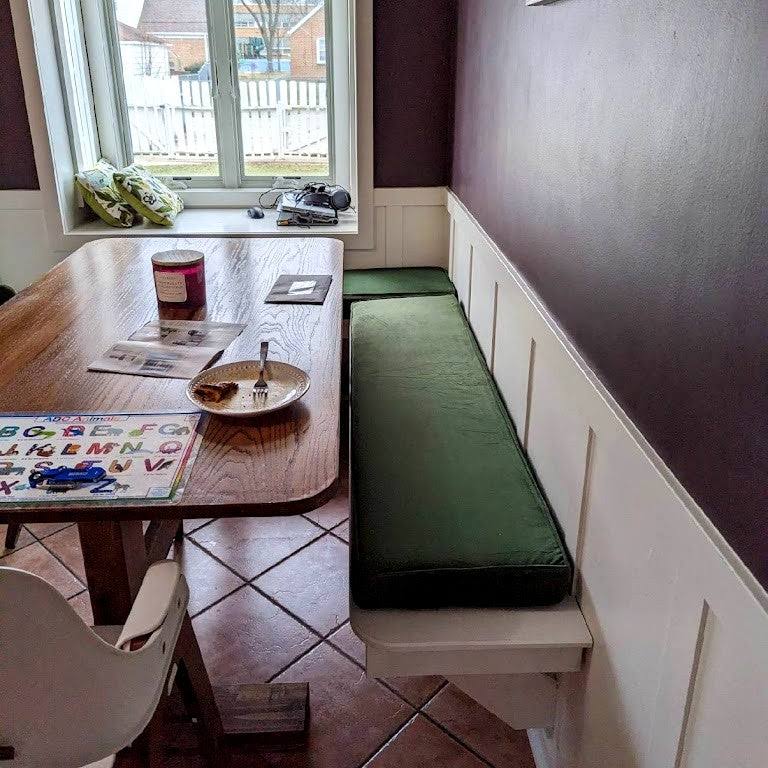
Flimsy cushions turn dream nooks into daily frustrations. Invest in 4-inch high-density foam cores wrapped in Dacron batting—this combo resists permanent dents better than memory foam. For family nooks, skip delicate fabrics; outdoor-performance velvet or Sunbrella canvas shrugs off spills and scrubbing.
Foam Thickness Guide for All-Day Comfort
Test foam samples by sitting on them for 10 minutes. If you feel the baseboard after 5 minutes, it’s too thin. Minimum specs:
– Benches: 4-inch foam + 1-inch batting
– Chairs: 3.5-inch foam + 0.5-inch batting
– Corner nooks: Tapered foam (5 inches at back, 3 inches at front) for lumbar support
Stain-Resistant Fabric Hacks for Messy Households
Pre-treat cushions with Scotchgard before installation. For high-risk zones (like kids’ seating), choose crypton fabrics—they repel oil-based stains better than standard upholstery. Darker weaves hide crumbs, but textured solids (like bouclé) camouflage spills better than prints.
Anchor the Space with a Rug That Defines Your Zone
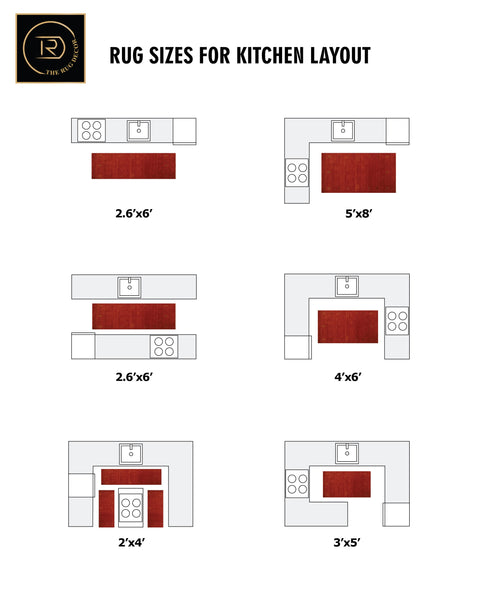
A rug isn’t just decoration—it’s your nook’s invisible boundary. In open kitchens, skip tiny 3×5 rugs; go for 5×7 minimum to ensure all chair legs stay fully on the rug when pulled out. Low-pile wool or indoor/outdoor polypropylene handles foot traffic without tripping hazards.
Selecting Rug Sizes for Chair Clearance
Place rug corners under the table’s outer edges, not the walls. When chairs are pulled out:
– Front legs should stay on rug
– Back legs may hang off slightly
– Never position rug so chairs slide off when seated
For round tables, choose oval rugs; for square tables, use rectangular ones.
Top Rug Materials That Survive Kitchen Spills
Avoid shag or high-pile rugs—they trap crumbs and require deep cleaning. Best performers:
– Indoor/outdoor polypropylene: Wipe spills instantly; resists fading
– Flatweave cotton: Machine-washable; ideal for seasonal swaps
– Tight-loop wool: Naturally stain-resistant; hides scuffs
Skip jute—it absorbs grease and discolors permanently.
Layer Textiles for Warmth Without Visual Chaos
Over-layering turns nooks into textile avalanches. Start with one foundational pattern (like a stripe rug), then add solids in coordinating hues. Mix textures, not competing prints: a chunky knit throw over solid cushions works; floral pillows on a paisley bench don’t.
Mixing Patterns Without Clashing
Follow the 60-30-10 rule:
– 60% dominant color (cushion base)
– 30% secondary color (rug or bench fabric)
– 10% accent color (pillow trim or throw)
Pair large-scale patterns (like botanical prints) only with micro-prints (pinstripes) or solids. Never combine two bold patterns at equal scale.
Essential Textile Layers for Year-Round Appeal
Install Roman shades for adjustable light control—they stack neatly when raised. For cushions, use removable covers in washable fabric. Add just three pillows max: two identical supports flanking one textured accent (like a woven lumbar pillow). A single folded throw draped over one bench corner invites use without clutter.
Create Ambiance with Strategic Lighting Layers
Single pendant lights cast unflattering shadows over food. Instead, layer three light sources: a central fixture for task lighting, wall sconces for vertical illumination, and a small table lamp for evening warmth. Hang pendants 30-36 inches above the table—any higher loses intimacy, any lower blocks sightlines.
Hanging Pendant Lights at the Perfect Height
Measure from table surface, not floor. For standard 28-30 inch tables:
– Single nook: One 12-inch diameter pendant centered
– Large nooks: Two smaller pendants spaced 30 inches apart
Ensure pendants hang at eye level when seated to create a “cocoon” effect. Dimmable LEDs (2700K color temperature) mimic candlelight for dinners.
Layering Task and Ambient Lighting for Every Occasion
Install wall-mounted swing-arm sconces at 42 inches above the floor for reading. On dark winter mornings, supplement with under-bench LED strips (500 lumens) that glow upward. For brunches, add a small ceramic table lamp with a fabric shade—it casts softer light than bare bulbs.
Add Personality with Targeted Decor and Greenery
Over-decorating shrinks small spaces. Anchor your table with one functional centerpiece: a wooden tray holding a small potted herb (like rosemary) and a ceramic salt cellar. Avoid tall vases—they block conversation. Install floating shelves beside the nook (not above) for cookbooks or heirloom dishes.
Creating Table Centerpieces That Don’t Crowd the Space
Use low-profile containers under 6 inches tall. Fill a shallow bowl with lemons for instant freshness, or a vintage pitcher with single-stem flowers. Ensure centerpieces leave 18 inches of clear table space per diner—this prevents “elbow wars” during meals.
Best Low-Light Plants for Kitchen Nook Greenery
Skip fussy orchids; choose resilient varieties:
– ZZ plant: Thrives in dim corners; water monthly
– Pothos: Trails beautifully from high shelves; survives neglect
– Snake plant: Purifies air; tolerates irregular watering
Place pots in removable cache containers for easy cleaning. Never use plants with toxic sap (like peace lilies) in child-accessible nooks.
Prevent Common Nook Design Disasters Before They Happen
Most nooks fail because of overlooked ergonomics. Ensure 24 inches per diner at the table—less creates constant chair-pulling. Test seating depth: 18 inches allows leaning back comfortably; deeper cuts feel like sinking. Never place seating directly under air vents—that “drafty diner” effect kills coziness.
The 24-Inch Per Person Rule for Stress-Free Meals
Measure table width from edge to table edge, not wall to wall. For two people: minimum 48-inch table. For three: 72 inches. If your nook is narrow, use a pedestal table—it eliminates leg-bumping under the table.
Avoiding the “Sinking Sofa” Syndrome in Banquettes
Bench seats should slope slightly downward toward the table (1-2 degrees). Fill cushions with shredded foam, not polyester fiberfill—it molds to bodies without flattening. Add non-slip rug pads under benches to prevent sliding during meals.
Transforming your kitchen nook isn’t about expensive renovations—it’s strategic choices that maximize joy in small spaces. Start with precise measurements, anchor with the right rug, and layer lighting for instant ambiance. Remember: comfort trumps aesthetics when sticky fingers and morning grogginess are involved. Within a weekend, you can create a nook where pancakes taste better and coffee lingers longer. For ongoing inspiration, bookmark our “Small Space Dining Hacks” guide—your next breakfast nook upgrade starts the moment you finish this article.


