Your kitchen sink endures constant abuse—greasy pots, food scraps, acidic spills, and hard water minerals—making it a magnet for grime, stains, and odors. Ignoring routine maintenance transforms this essential workspace into a breeding ground for bacteria and a source of frustrating clogs. A properly maintained sink not only resists discoloration and corrosion but extends the lifespan of your entire plumbing system. In this guide, you’ll discover actionable, model-specific techniques to keep your sink gleaming and flowing smoothly, whether you own stainless steel, porcelain, or composite surfaces. Master these proven methods to avoid costly repairs and reclaim a hygienic, functional centerpiece for your kitchen.
Most homeowners underestimate how quickly minor neglect escalates into major issues. Water spots become permanent limescale, food debris solidifies into clogs, and abrasive cleaners etch surfaces beyond repair. The good news? Consistent, targeted care takes mere minutes daily and prevents 90% of common problems. By the end of this guide, you’ll know exactly how to maintain kitchen sink components—from faucet aerators to disposal units—with precision. Let’s dive into the routines that transform maintenance from a chore into an effortless habit.
Daily 1-Minute Rinse and Weekly 10-Minute Deep Clean for a Spotless Sink
Skipping this critical daily step guarantees mineral deposits and organic gunk will harden overnight. After every use, immediately rinse the basin with warm water to wash away food particles, soap residue, and acidic liquids like lemon juice or vinegar that erode finishes. Finish by wiping the entire surface—including faucet handles, base of the spout, and drain rim—with a microfiber cloth dampened with plain water. This 60-second ritual prevents the sticky film that attracts more dirt tomorrow. If you notice water beading unevenly or leaving chalky spots, hard water minerals are already accumulating—act now before they bond permanently to your surface.
Why Vinegar Wipes Beat Chemical Cleaners for Daily Disinfection
Commercial sprays often leave cloudy residues on stainless steel or strip protective coatings from composite sinks. Instead, mix equal parts white vinegar and water in a spray bottle for a natural disinfectant that dissolves soap scum without abrasion. Spray this solution across the basin, focusing on the overflow drain (a notorious bacteria hotspot) and the curved area behind the faucet where water pools. Let it sit for 2 minutes to break down oils, then wipe dry with a clean towel—never air-dry, as evaporation leaves mineral rings. Pro Tip: For stubborn hard water spots, press a vinegar-soaked paper towel against the area for 5 minutes before wiping; the acid gently dissolves limescale without scratching.
Your Foolproof Weekly Deep Cleaning Checklist
Set a recurring phone alert every Sunday for this 10-minute refresh. Start by removing drain strainers and soaking them in hot, soapy water. Next, sprinkle baking soda liberally over the entire wet basin—this mild abrasive lifts grime without damaging finishes. Dip a soft sponge (never steel wool!) in warm, soapy water and scrub in circular motions, paying special attention to the sink’s “corners” where the bowl meets the countertop. For stainless steel sinks, always follow the metal’s grain direction (visible as fine lines) to avoid swirl marks. Rinse thoroughly with hot water, then dry completely. If your sink still looks dull, it’s time for the monthly deep clean detailed below.
Monthly Deep Clean: Erase Stains and Limescale in 15 Minutes
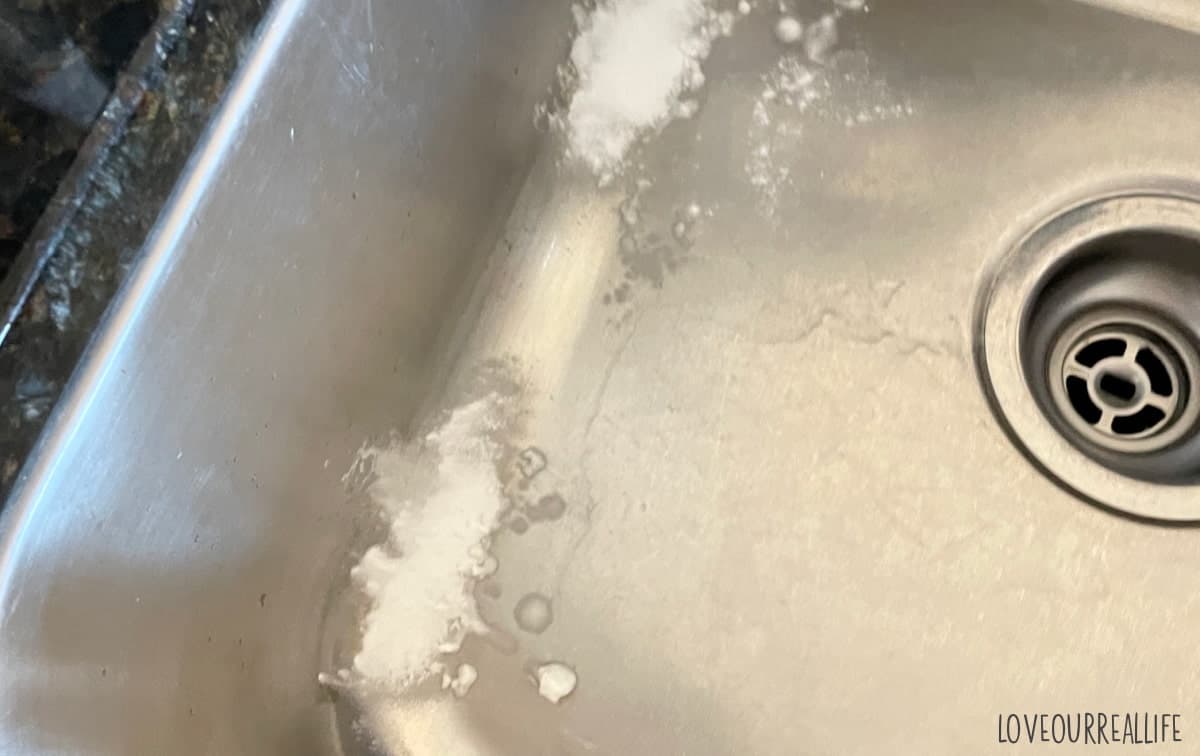
When weekly cleaning isn’t enough, limescale creates chalky white crusts near the drain, while rust stains from metal utensils leave orange streaks. These require targeted treatment before they etch the surface. For stainless steel sinks, skip harsh scouring powders—they cause micro-scratches that trap dirt. Instead, make a paste of baking soda and water (3:1 ratio) and apply it to stained areas with a soft cloth. Gently rub along the grain for 2 minutes, then rinse. For porcelain or ceramic sinks with discoloration, replace baking soda with cream of tartar paste; its mild acidity lifts stains without harming the glazed finish.
Tackling Severe Rust or Limescale Buildup Without Damage
If vinegar wipes only lighten stubborn stains, combine ¼ cup baking soda with 2 tablespoons white vinegar to form a foaming paste. Apply this directly to rust spots or heavy limescale rings around the drain, and let it bubble for 5 minutes—never leave it longer, as prolonged acid exposure can pit surfaces. Use an old toothbrush (soft bristles only) to gently agitate the area, then rinse with cold water. Critical Warning: Never use bleach on stainless steel—it causes irreversible corrosion. For composite sinks, stick to manufacturer-recommended cleaners; acidic mixes may void warranties. Always test any new solution on a hidden spot (like under the lip of the basin) first.
Prevent Drain Clogs: Garbage Disposal and Drain Maintenance That Works
Pouring coffee grounds, pasta, or grease down your sink invites disaster—these congeal into “fatbergs” that choke pipes. Start by installing a strainer basket to catch food scraps larger than a pea. Once weekly, pour 4 cups of boiling water down the drain to melt minor grease buildup. For deeper maintenance, follow this sequence monthly: First, dump ½ cup of baking soda directly into the drain. Next, slowly add 1 cup of white vinegar—it will fizz violently, so step back. Cover the drain with a plug for 10 minutes to let the reaction break down gunk, then flush with very hot water for 30 seconds. You’ll hear gurgling as debris clears; if not, repeat the process.
Garbage Disposal Care: Sharpen Blades and Eliminate Odors Safely
Running your disposal with cold water is non-negotiable—it solidifies fats so blades can chop them. Always run water for 20 seconds before grinding, during use, and for 20 seconds after to flush waste. Never put fibrous items (celery, onion skins), starchy foods (potato peels), or hard objects (bones) down the disposal—they jam mechanisms or dull blades. For odor control and blade sharpening, freeze vinegar mixed with citrus peels (lemon, orange) into ice cubes—never use fruit seeds, as they contain oils that coat blades. Grind 3-4 cubes weekly; the ice scrapes residue off blades while citrus neutralizes smells. If grinding sounds sluggish, unplug the unit and use the hex wrench (stored under the sink) to manually rotate blades before resetting.
Stainless Steel, Porcelain, and Composite: Material-Specific Sink Care
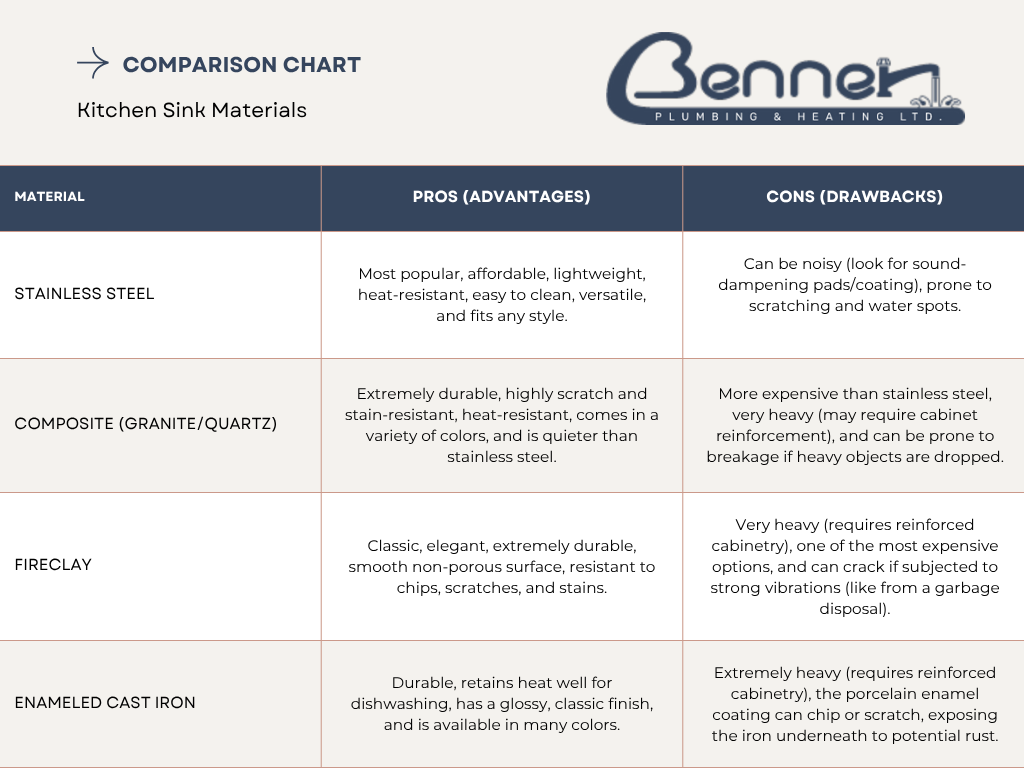
Each sink material demands unique handling to avoid irreversible damage. Stainless steel’s brushed finish hides scratches best but requires grain-aligned cleaning—scrubbing against the grain creates visible swirls that trap grime. After deep cleaning, polish with a microfiber cloth and stainless steel cleaner to restore luster. Porcelain and ceramic sinks are vulnerable to acidic cleaners; even vinegar left too long can etch the glaze, causing permanent dullness. Stick to pH-neutral soaps and avoid abrasive pads—use a nylon brush for tough stains instead. Composite sinks (like granite or quartz blends) resist stains but can discolor from bleach or oven cleaners; always check the manufacturer’s care guide for approved products.
Quick Reference: What to Never Use on Your Sink Type
- Stainless Steel: Steel wool, bleach, chlorine cleaners (causes pitting)
- Porcelain/Ceramic: Abrasive powders, oven cleaner (removes glaze)
- Composite: Harsh acids, undiluted vinegar (may yellow surface)
Visual Cue: If your sink develops a rainbow sheen after cleaning, you’ve used a harsh chemical—rinsing wasn’t thorough enough. Repeat cleaning with plain water immediately.
Avoid Scratches and Damage: Long-Term Protection Tactics
Plopping heavy cookware directly into the basin is the #1 cause of dents and chips, especially in porcelain sinks. Always place a rubber sink mat or silicone grid at the bottom—it absorbs impact and prevents scratches from pots. Never let cast iron pans soak overnight; their seasoning contains oils that bond to stainless steel, creating stubborn black streaks. For disposal units, run them weekly even if unused to prevent motor seizure from moisture buildup. If you notice slow drainage, address it immediately with boiling water before attempting chemical uncloggers—they often worsen blockages in older pipes.
Proactive Habits That Extend Sink Lifespan by Years
Place a small tray beside the sink for wet utensils—never balance knives or bottles on the rim where they can fall and crack the basin. After washing acidic foods (like tomatoes), rinse the sink immediately to prevent etching. For faucets, wipe aerators monthly with vinegar to remove mineral buildup that reduces water pressure. Critical Mistake to Avoid: Using a sink without a strainer for weeks invites hair and food to clog the P-trap—a problem requiring plumber disassembly. Prevention takes 2 seconds: keep strainers clean daily.
Maintaining your kitchen sink boils down to three non-negotiable habits: rinse daily with vinegar water, deep clean weekly with baking soda, and treat drains monthly with baking soda-vinegar. These simple steps prevent 95% of stains, odors, and clogs while protecting your sink’s finish for decades. Remember to tailor techniques to your material—stainless steel needs grain-aligned care, porcelain demands gentle cleaners, and composites require manufacturer-specific products. By dedicating just 15 minutes weekly, you’ll avoid expensive repairs and keep your sink hygienic and beautiful. Ready to tackle related issues? Explore our guide on how to fix a smelly garbage disposal or eliminate hard water stains from faucets for more targeted solutions.