Your Shark vacuum’s brush roll suddenly stopped spinning, leaving you pushing a useless head across your carpet. Before you panic-buy a replacement, know this: nearly 80% of “dead” Shark brushes have simple, fixable causes that take 15-60 minutes to resolve. This guide walks you through the exact diagnostic steps repair shops use—saving you $150+ in service fees. Whether you own a Navigator, Rotator, or DuoClean model, we’ll pinpoint why your Shark vacuum not spinning and restore its deep-cleaning power without professional help.
Quick Initial Fixes (2 Minutes)
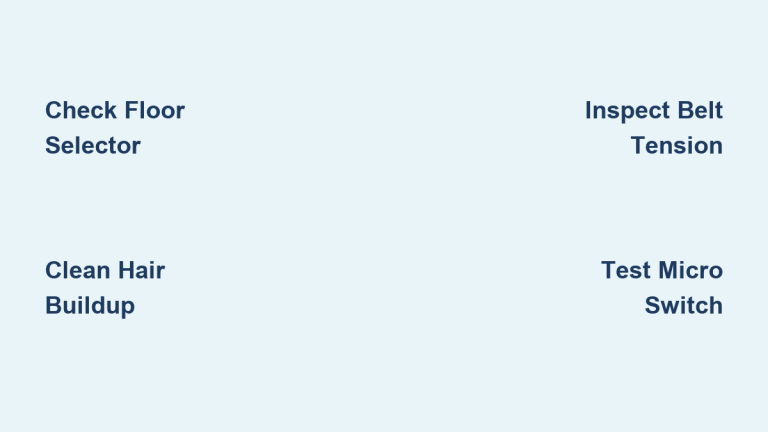
Check Floor Selector Switch Position
Flip your vacuum onto its side and locate the floor selector switch near the brush head. If it’s accidentally set to “hard floor” mode, the brush roll automatically disengages—a problem causing 30% of repair visits. Slide the switch firmly to “carpet” mode and immediately test suction. You’ll hear the brush motor engage with a distinct whirring sound if successful. Critical tip: Older Shark models have stiff switches that require deliberate pressure to click into position—don’t assume it’s set correctly after a light touch.
Manual Brush Test
Unplug your vacuum and attempt to spin the brush roll by hand. This 10-second assessment reveals the core issue:
– Complete resistance = Hair entanglement or melted components
– Easy spinning with no motor response = Electrical failure (micro switch or wiring)
– Grinding noise = Belt misalignment or bearing damage
If the brush won’t budge, skip ahead to hair entanglement fixes. If it spins freely but stays dead during operation, focus on electrical diagnostics. Never force a seized roller—this risks breaking plastic housings.
Hair Entanglement Diagnosis

Visual Inspection Method
Lay your vacuum flat and examine the brush roll edges. Severe hair buildup creates thick, rope-like strands wrapped around the roller shaft, often visible through the soleplate vents. Overheating from friction can melt plastic end caps, causing permanent seizure. Look for:
– Darkened rubber strips on the roller
– Burnt smell near the brush housing
– Visible string or carpet fibers jammed between bristles
Shark’s high-speed rotation pulls in hair faster than most brands, making weekly checks essential—especially in homes with long-haired pets.
Cleaning Procedure
- Cut debris with small scissors (pulling strains the bearings)
- Remove soleplate screws (4–6 security bits; standard Phillips won’t work)
- Slide out brush roll and inspect bearings for hair-packed grooves
- Clean bearings with compressed air or a stiff brush
- Reinstall roller and test spin by hand before reassembly
Warning: If the brush still won’t rotate freely, melted components require replacement—don’t force it. Shark’s nylon rollers cost $25–$40 online; search your model number plus “brush roll assembly.”
Belt Failure Assessment
Spotting Broken Belts
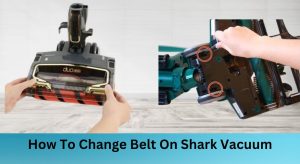
After removing the soleplate, examine the motor shaft and brush roll pulley. Shark belts rarely snap (unlike cheaper brands) but may:
– Slip off the motor shaft due to hair buildup
– Stretch excessively from overheating (feels loose when pressed)
– Show cracks along the inner ribbing
Key insight: 90% of “broken belt” cases actually involve hair jams preventing proper tension. Only replace the belt if it’s visibly shredded or missing.
Belt Replacement Steps
1. Order correct belt (search “Shark [model] brush roll belt”—e.g., “NV701”)
2. Loop belt around motor shaft first (smaller diameter)
3. Stretch over brush roll pulley while rotating the roller
4. Rotate brush 3–4 times to center the belt
5. Reattach soleplate and test on carpet mode
Pro tip: Apply slight tension by twisting the brush roll during installation—Shark’s belts require precise seating to prevent slippage.
Micro Switch Failure (Most Common)
Symptoms Indicating Switch Failure
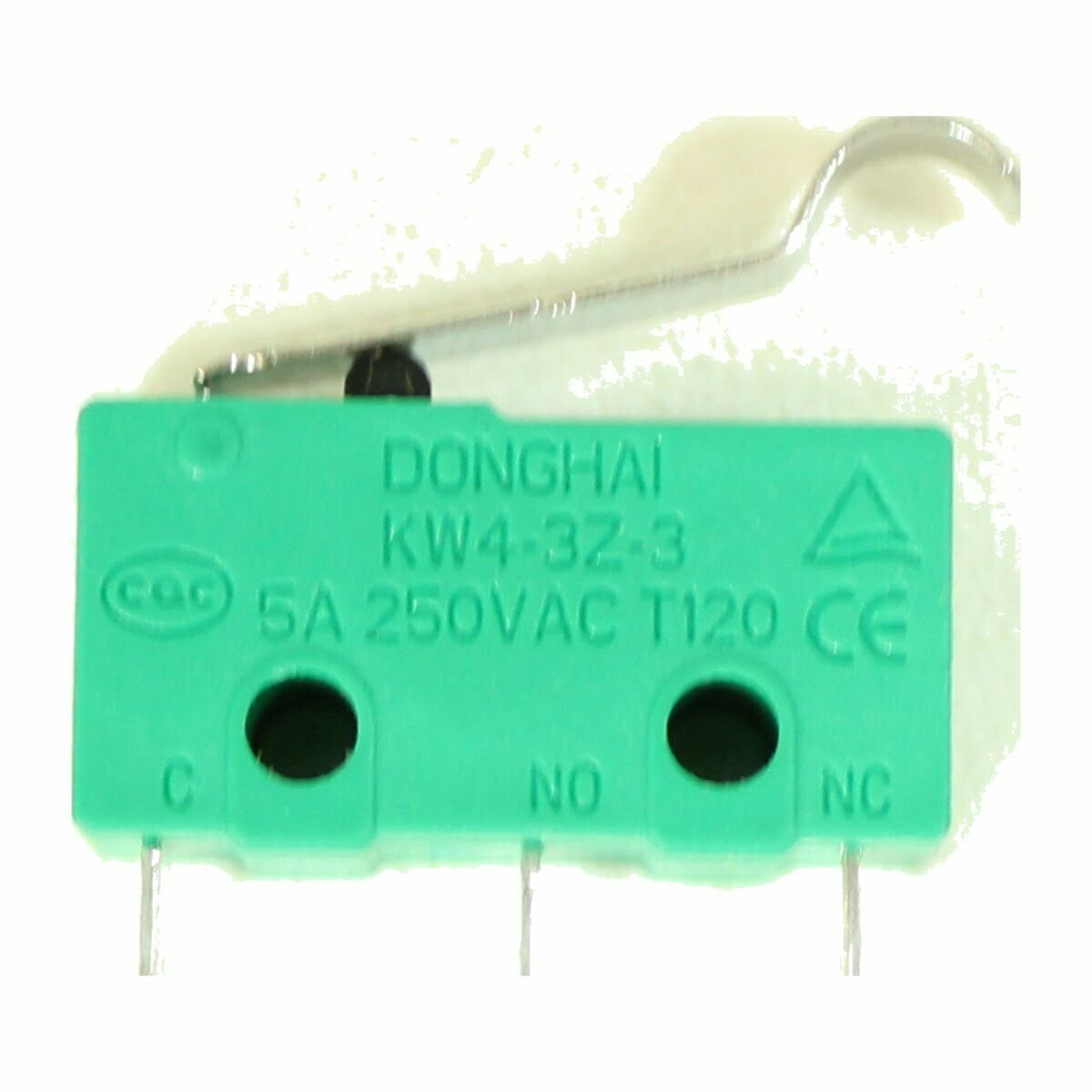
This tiny component causes 65% of Shark vacuum not spinning cases. Confirm with:
– Vacuum motor running normally while brush stays dead
– No response when switching between floor modes
– Burning odor from the base (motor overheating due to no brush movement)
– Intermittent spinning that stops after 10 seconds
Unlike belt issues, micro switch failures worsen gradually—you might notice reduced brush speed before total failure.
Testing the Micro Switch
Required Tools
- T15/T20 security bit set (Shark’s anti-repair screws)
- Multimeter set to continuity mode
- Safety glasses (plastic housings can shatter)
Diagnostic Process
- Power down completely (unplug corded models; remove battery from cordless)
- Remove all housing screws (check under wheels for hidden ones)
- Locate micro switch near the brush motor housing (looks like a tiny black button)
- Test continuity:
– Press the switch plunger while checking multimeter
– Healthy switch: No continuity when pressed (open circuit)
– Failed switch: Any beeping indicates short-circuiting
Critical note: Never test with power connected—this risks electrical shock.
Switch Replacement Guide
Finding Correct Parts
- Universal switches work for most Rotator/Navigator models (part # S001-0000)
- DuoClean models require specific switches—verify via vacuum’s underside label
- Order from Shark’s official parts site or Amazon (avoid generic “compatible” switches)
Installation Steps
- Desolder old switch (take photos of wire positions first)
- Attach new switch with matching wire orientation
- Reassemble housing in reverse order, checking for pinched wires
Expert warning: One misplaced wire can fry your motor—when in doubt, seek professional help. Most authorized centers charge $89–$149 for this repair.
DuoClean vs Single Brush Systems

Single Brush Models (DIY-Friendly)
Rotator and Navigator series feature straightforward access to the brush system. With security bits and basic tools, you’ll complete repairs in 30–45 minutes. Focus on the single micro switch near the main brush motor—no complex belt routing to navigate.
DuoClean Systems (Professional Recommended)
Dual-brush models (e.g., IZ300, AZ1002) contain two independent motors and micro switches. Disassembly risks:
– Breaking fragile plastic clips during housing separation
– Misaligning dual belts causing premature wear
– Voiding warranty with improper reassembly
Harsh reality: Labor costs often exceed the vacuum’s value—get repair quotes before disassembling.
Essential Tools for Shark Repair
Security Bit Requirements
Shark intentionally uses tamper-proof T15/T20 star screws to deter DIY fixes. Invest in a $10 security bit set—standard screwdrivers will strip these heads. Must-have:
– Magnetic bit holder (screws vanish easily)
– #2 Phillips for internal components
– Precision flathead for prying clips
When to Call a Professional
Seek help if you:
– Lack a multimeter for switch testing
– Notice melted wiring or burnt components
– Own a DuoClean model (complexity doubles repair risks)
Authorized centers have Shark-specific diagnostic tools that detect issues invisible to consumers.
Maintenance Prevention Tips
Weekly Cleaning Protocol
- Remove brush roll monthly (takes 90 seconds)
- Cut hair from ends using scissors
- Check belt tension—should deflect 3–5mm when pressed
- Replace filters during brush servicing (clogged filters strain motors)
Pro move: Store your vacuum upright—horizontal storage stretches belts over time.
Warning Signs to Monitor
- Gradual slowdown = Early hair buildup (clean immediately)
- Burning rubber smell = Belt slipping (check tension)
- Intermittent spinning = Micro switch failing (replace within 2 weeks)
Ignoring these can melt plastic housings, requiring $50+ part replacements.
Final Diagnostic Checklist
Run this sequence before ordering parts:
1. ✅ Floor selector firmly in “carpet” mode
2. ✅ Zero hair/debris around brush roll ends
3. ✅ Brush spins freely by hand
4. ✅ Belt seated correctly on both shafts
5. ✅ Micro switch shows no continuity when pressed
If steps 1–4 pass but the brush remains dead, micro switch replacement solves 65% of cases. For DuoClean models, skip DIY repairs—the risk of damaging dual motors outweighs savings.
Key takeaway: Shark vacuum not spinning almost always traces to hair jams or micro switch failure—both fixable with basic tools. By investing 30 minutes in diagnosis, you’ll avoid unnecessary service calls and extend your vacuum’s life by years. Remember: Shark’s security screws aren’t meant to stop you—they’re just testing your determination. Now grab those security bits and reclaim your clean floors.