
Cleaning the belt on your Shark Rotator Professional vacuum is an essential maintenance task that ensures optimal performance and extends the lifespan of your appliance. A clean belt helps the brush roll spin efficiently, picking up dirt and debris effectively. Neglecting this maintenance can lead to reduced suction, belt slippage, and potential motor damage.
This guide will walk you through the steps to safely and effectively clean the belt on your Shark Rotator Professional vacuum. By following these instructions, you can keep your vacuum running smoothly and maintain a clean home.
Tools and Materials
Before you begin, gather the following tools and materials:
- Screwdriver (usually a Phillips head)
- Scissors or seam ripper
- Small brush or toothbrush
- Clean cloth or paper towels
- Gloves (optional, to keep your hands clean)
Step-by-Step Guide to Cleaning the Belt
Here’s how to clean the belt on your Shark Rotator Professional vacuum:
1. Unplug the Vacuum
Safety first! Always unplug the vacuum cleaner from the power outlet before performing any maintenance or cleaning tasks. This prevents accidental start-ups and potential injury.
2. Access the Brush Roll and Belt
- Locate the Brush Roll Cover: Turn the vacuum over and locate the brush roll cover on the bottom of the vacuum head.
- Remove the Cover: Use a screwdriver to remove the screws securing the brush roll cover. Place the screws in a safe place to avoid losing them.
- Remove the Brush Roll: Carefully lift out the brush roll. You may need to wiggle it slightly to dislodge it.
3. Remove the Old Belt
- Inspect the Belt: Examine the belt for signs of wear, such as cracks, fraying, or stretching. If the belt is damaged, it’s best to replace it.
- Detach the Belt: Gently pull the old belt off the brush roll and the motor pulley. It might be snug, but it should come off with a bit of effort.
4. Clean the Brush Roll and Housing
- Remove Debris from Brush Roll: Use scissors or a seam ripper to cut away any hair, string, or debris wrapped around the brush roll. Be careful not to damage the bristles.
- Clean the Housing: Use a small brush or toothbrush to remove any dust, dirt, or debris from the brush roll housing. Wipe it clean with a damp cloth.
5. Clean the Belt
- Inspect the Belt: Check the belt for any embedded debris or dirt.
- Wipe Down the Belt: Use a clean, damp cloth to wipe down the belt, removing any surface dirt or grime. Avoid using harsh chemicals or solvents, as they can damage the belt.
6. Reinstall the Belt
- Position the Belt: Place one end of the belt around the motor pulley.
- Attach to Brush Roll: Stretch the other end of the belt around the brush roll, ensuring it sits properly in the designated groove.
- Check Alignment: Make sure the belt is correctly aligned and not twisted.
7. Reinstall the Brush Roll and Cover
- Place Brush Roll Back: Carefully place the brush roll back into the vacuum head, ensuring it sits properly in its housing.
- Reattach the Cover: Position the brush roll cover back over the brush roll and secure it with the screws you removed earlier. Make sure the cover is firmly in place.
8. Test the Vacuum
- Plug in the Vacuum: Plug the vacuum cleaner back into the power outlet.
- Turn on the Vacuum: Turn on the vacuum and check that the brush roll is spinning freely and smoothly. Listen for any unusual noises.
- Test on Carpet: Test the vacuum on a carpeted area to ensure it is picking up dirt and debris effectively.
Practical Elements
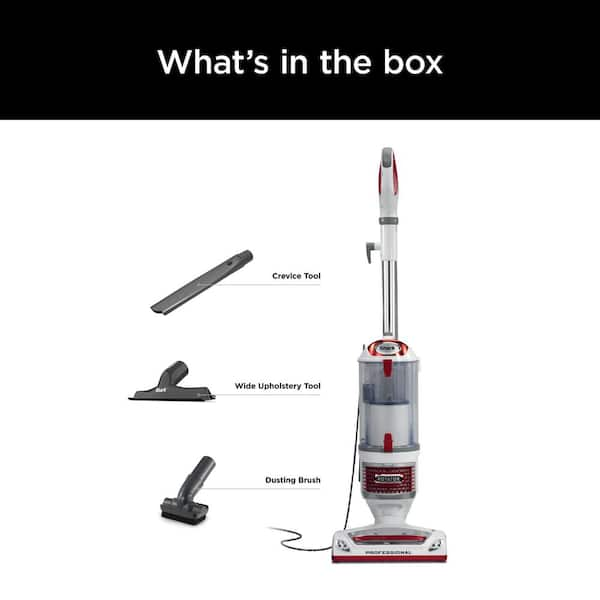
Tools/Materials:
- Screwdriver: A standard Phillips head screwdriver will work for most Shark Rotator models.
- Scissors/Seam Ripper: Fiskars scissors or a quality seam ripper like the Clover seam ripper are excellent for removing tangled hair.
- Small Brush/Toothbrush: An old toothbrush or a detailing brush set works well for cleaning tight spaces.
- Clean Cloth/Paper Towels: Microfiber cloths are ideal for wiping surfaces without leaving residue.
Preparation Steps:
- Clear the Area: Ensure you have enough workspace to disassemble and clean the vacuum.
- Gather Tools: Have all necessary tools and materials within easy reach.
- Read the Manual: Consult your Shark Rotator Professional user manual for specific instructions or diagrams related to your model.
Troubleshooting Guide
- Brush Roll Not Spinning:
- Problem: Brush roll does not spin after cleaning.
- Solution: Ensure the belt is properly aligned and not twisted. Check for any obstructions in the brush roll housing.
- Belt Slipping:
- Problem: The belt slips off the brush roll or motor pulley.
- Solution: Replace the belt with a new one. A worn or stretched belt will not maintain proper tension.
- Vacuum Overheating:
- Problem: The vacuum overheats during use.
- Solution: Check for blockages in the hose, brush roll, or filters. Overheating can occur if airflow is restricted.
- Unusual Noises:
- Problem: The vacuum makes loud or unusual noises.
- Solution: Inspect the brush roll and belt for damage. Ensure all parts are properly installed and secured.
- Reduced Suction:
- Problem: The vacuum has reduced suction.
- Solution: Clean or replace the filters. Also, check for blockages in the hose and brush roll area.
Pro Tips
- Regular Cleaning: Clean the brush roll and belt every 1-3 months, depending on usage, to prevent buildup and maintain optimal performance.
- Belt Replacement: Replace the belt every 6-12 months, or as needed, to ensure proper tension and prevent slippage.
- Lubrication: Apply a small amount of silicone lubricant to the brush roll bearings to keep them spinning smoothly.
Alternatives/Variations
- Deep Cleaning: For a more thorough cleaning, you can soak the brush roll in warm, soapy water for 15-20 minutes before scrubbing it clean.
- Professional Cleaning: If you’re not comfortable cleaning the belt yourself, you can take your vacuum to a professional appliance repair shop for cleaning and maintenance.
FAQ Section
How often should I clean the belt on my Shark Rotator Professional?
It is recommended to clean the belt every 1-3 months, depending on how frequently you use your vacuum and the amount of dirt and debris it picks up. Regular cleaning prevents buildup and ensures optimal performance.
Can I use any type of belt for my Shark Rotator Professional?
No, you should only use a replacement belt that is specifically designed for your Shark Rotator Professional model. Using the wrong type of belt can cause damage to the vacuum and reduce its effectiveness.
What are the signs that my vacuum belt needs to be replaced?
Signs that your vacuum belt needs to be replaced include visible cracks or fraying, slipping during use, a burning rubber smell, or a significant decrease in suction power. If you notice any of these signs, it’s time to replace the belt.
How do I prevent hair and string from wrapping around the brush roll?
To minimize hair and string wrapping around the brush roll, vacuum high-traffic areas more frequently and consider using a vacuum with a self-cleaning brush roll feature. Regularly cutting away any accumulated hair and string will also help.
Is it necessary to clean the brush roll housing, or just the brush roll itself?
Cleaning the brush roll housing is just as important as cleaning the brush roll. Debris can accumulate in the housing, which can impede the brush roll’s movement and reduce the vacuum’s overall performance.
What type of lubricant should I use on the brush roll bearings?
You should use a silicone-based lubricant specifically designed for small appliances. Avoid using oil-based lubricants, as they can attract dirt and grime, which can cause the bearings to seize up over time.
Tips, Warnings, and Best Practices
- Safety First: Always unplug the vacuum before performing any maintenance or cleaning.
- Read the Manual: Refer to your Shark Rotator Professional user manual for specific instructions and safety guidelines.
- Use the Right Tools: Using the correct tools, such as the appropriate screwdriver and scissors, will make the cleaning process easier and prevent damage to the vacuum.
- Regular Maintenance: Regular cleaning and maintenance will extend the life of your vacuum and ensure optimal performance.
- Avoid Harsh Chemicals: Do not use harsh chemicals or solvents to clean the belt or brush roll, as they can cause damage.
- Proper Alignment: Ensure the belt is properly aligned and not twisted during reinstallation.
Conclusion
Cleaning the belt on your Shark Rotator Professional vacuum is a straightforward task that can significantly improve its performance and longevity. By following this comprehensive guide, you can keep your vacuum running smoothly, ensuring a clean and healthy home environment. Regular maintenance, including belt cleaning and replacement, is key to maximizing the life of your Shark Rotator Professional vacuum. So, take the time to care for your appliance, and it will continue to serve you well for years to come.


