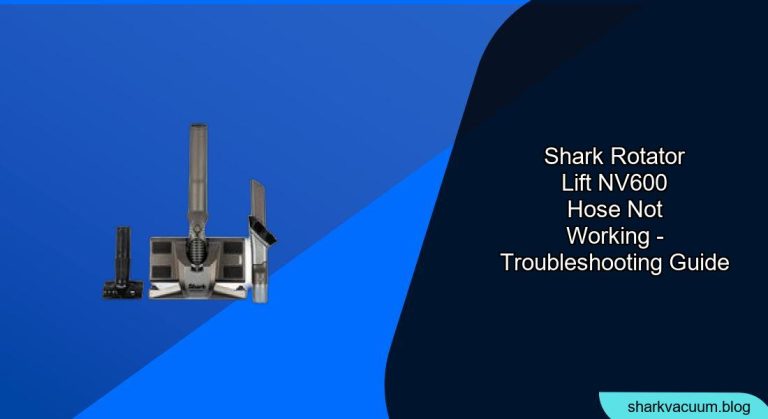
Is your Shark Rotator Lift-Away NV600 vacuum cleaner’s hose failing to deliver the suction you need? A malfunctioning hose can significantly hinder your cleaning efforts, turning a quick chore into a frustrating ordeal. This guide provides a step-by-step approach to diagnosing and resolving common issues that prevent your Shark NV600 hose from working correctly, so you can restore your vacuum’s performance and get back to efficient cleaning.
Whether you’re dealing with a clog, a disconnection, or a more complex mechanical problem, we’ll walk you through the necessary troubleshooting steps. Let’s get your Shark Rotator Lift-Away NV600 hose back in action and your home clean!
Common Reasons Why Your Shark NV600 Hose Isn’t Working

A variety of factors can cause your Shark Rotator Lift-Away NV600 hose to lose suction or stop working altogether. Identifying the root cause is the first step toward fixing the problem. Here are some of the most common culprits:
- Clogs: Blockages in the hose are a frequent issue, often caused by accumulated debris like hair, dust, and larger objects.
- Disconnections: The hose might not be properly connected to the vacuum unit or attachments, leading to a loss of suction.
- Damaged Hose: Cracks, punctures, or general wear and tear can compromise the hose’s ability to maintain suction.
- Full Dust Cup: A full dust cup reduces overall suction power, affecting hose performance.
- Filter Issues: Dirty or clogged filters can restrict airflow and diminish suction strength.
Step-by-Step Troubleshooting Guide
Follow these steps to diagnose and fix your Shark Rotator Lift-Away NV600 hose:
1. Check the Dust Cup
- Action: Remove the dust cup and check if it’s full.
- Solution: Empty the dust cup completely. Even if it’s not entirely full, excess debris can impede suction.
- Why: A full dust cup reduces the vacuum’s overall suction power, impacting the hose’s performance.
2. Inspect the Filters
- Action: Locate and remove the filters (usually pre-motor and post-motor filters).
- Solution: Clean the filters by gently tapping them to remove loose debris. If they’re washable, rinse them with water and allow them to dry completely (24 hours) before reinstalling. Replace the filters if they are damaged or excessively dirty.
- Why: Clogged filters restrict airflow, reducing suction to the hose. Clean filters are essential for optimal performance.
3. Examine the Hose for Visible Blockages
- Action: Detach the hose from both the vacuum unit and any attachments.
- Solution: Visually inspect the hose for any visible obstructions. Look for clumps of hair, large particles, or other debris.
- Why: Visual inspection can quickly identify obvious blockages that are preventing proper airflow.
4. Clear the Hose of Clogs
- Action: Use a broom handle or similar long, blunt object to gently push any blockages through the hose. Alternatively, you can use a vacuum with a hose to try and suck the clog out.
- Solution: Work carefully to dislodge and remove any obstructions. Ensure the entire hose is clear.
- Why: Clearing clogs is crucial for restoring proper suction and airflow through the hose.
5. Check Hose Connections
- Action: Ensure the hose is securely connected to both the vacuum unit and any attachments you are using.
- Solution: Listen for a click or snap to confirm a secure connection.
- Why: A loose connection can lead to a significant loss of suction.
6. Inspect the Hose for Damage
- Action: Carefully examine the hose for any signs of damage, such as cracks, punctures, or tears.
- Solution: If you find any damage, repair the hose with duct tape as a temporary fix. For a more permanent solution, replace the hose.
- Why: Damage to the hose can compromise its ability to maintain suction, requiring repair or replacement.
7. Check the Brush Roll
- Action: Inspect the brush roll for tangled hair, threads, or other debris.
- Solution: Remove any obstructions from the brush roll. Use scissors to cut away tangled hair if necessary.
- Why: A jammed brush roll can strain the motor and reduce overall suction effectiveness.
8. Reset the Vacuum
- Action: Turn off and unplug the vacuum cleaner. Wait for about 30 minutes.
- Solution: Plug the vacuum back in and turn it on.
- Why: This can sometimes reset the motor and resolve any temporary electrical issues affecting suction.
Practical Tips for Maintaining Your Shark NV600 Hose

To prevent future hose problems and keep your Shark Rotator Lift-Away NV600 running smoothly, consider these maintenance tips:
- Regularly Empty the Dust Cup: Don’t wait until the dust cup is completely full. Empty it after each use, or at least after every few uses, to maintain optimal suction.
- Clean Filters Frequently: Clean your filters at least once a month, or more often if you use your vacuum frequently.
- Avoid Vacuuming Large Objects: Prevent clogs by avoiding vacuuming large items that could get stuck in the hose.
- Inspect the Hose Regularly: Check the hose for any signs of damage or wear and tear. Address any issues promptly to prevent further damage.
- Proper Storage: Store the vacuum in a clean, dry place to prevent dust and debris from accumulating in the hose and other components.
FAQ Section
How often should I replace the filters on my Shark Rotator NV600?
Replace the filters every 3 to 6 months, depending on usage. If you notice a decrease in suction even after cleaning, it’s likely time for a replacement.
Can I use a generic hose replacement for my Shark NV600?
While generic hoses may fit, it’s best to use a genuine Shark replacement part to ensure proper fit and performance.
What if I can’t find the clog in the hose?
If you suspect a clog but can’t locate it, try using a wet/dry vacuum to suck out the obstruction. Alternatively, you might need to disassemble the hose to access the blockage.
Why does my vacuum smell bad even after cleaning the hose and filters?
The smell could be due to trapped dirt and bacteria in the dust cup or hose. Try using a mild disinfectant solution to clean these parts thoroughly. Ensure everything is completely dry before reassembling.
What is the warranty on the Shark Rotator Lift-Away NV600?
The warranty typically covers defects in materials and workmanship for a limited period (usually 1 to 5 years). Check your warranty documentation for specific terms and conditions.
How do I prevent the hose from getting clogged in the first place?
Avoid vacuuming large debris, hair, and fibrous materials. Regularly clean the brush roll and empty the dust cup to prevent buildup that can lead to clogs.
Tips, Warnings, and Best Practices
- Warning: Always disconnect the vacuum from the power outlet before performing any maintenance or troubleshooting steps.
- Tip: Use a flashlight to help you see inside the hose when checking for clogs.
- Best Practice: Schedule regular maintenance checks to keep your Shark NV600 in optimal condition.
- Warning: Never use the vacuum without the filters installed, as this can damage the motor.
- Tip: When cleaning washable filters, allow them to air dry completely. Using them while still damp can damage the motor.
Conclusion
A non-functioning hose on your Shark Rotator Lift-Away NV600 can be a major inconvenience, but with this troubleshooting guide, you can effectively diagnose and resolve the most common issues. By regularly maintaining your vacuum and addressing problems promptly, you can ensure optimal performance and extend the life of your appliance.
Take the steps outlined in this guide to restore your Shark NV600’s suction power and enjoy a cleaner home. If you’ve tried these solutions and are still experiencing problems, consider contacting Shark customer support or a qualified appliance repair technician for further assistance. Now that your hose is working, you can get back to your routine and keep your home sparkling!