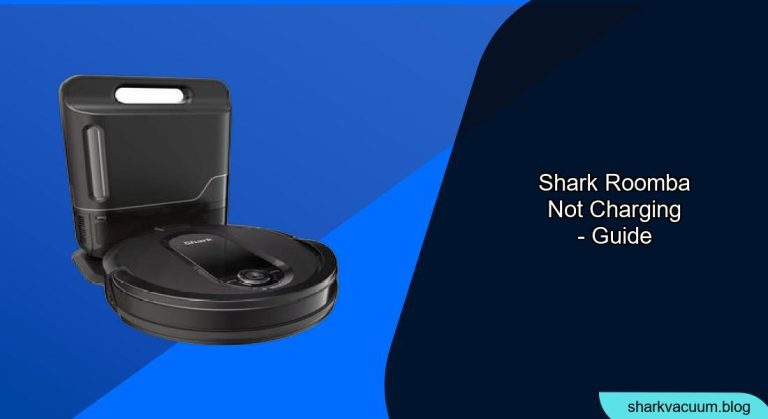
Is your Shark Roomba refusing to charge, leaving you with a dirty floor and a frustrating experience? Don’t worry; you’re not alone. Many users encounter charging issues with their robotic vacuums. This guide will walk you through the most common reasons why your Shark Roomba might not be charging and provide detailed steps to get it back in action, ensuring your home stays clean effortlessly.
1. Check the Power Outlet and Charging Base

A simple yet often overlooked cause is a faulty power outlet or an improperly connected charging base.
- Verify the Outlet: Plug another device into the same outlet to ensure it’s working. If it isn’t, try a different outlet.
- Inspect the Charging Base: Make sure the charging base is placed on a hard, level surface against a wall. Ensure nothing is blocking the base.
- Confirm Connections: Check that the power cord is securely plugged into both the charging base and the outlet. A loose connection can prevent the Roomba from charging.
2. Clean the Charging Contacts

Dirty or corroded charging contacts can impede the flow of electricity between the Roomba and the charging base.
- Locate the Contacts: Find the metal charging contacts on both the Roomba and the charging base.
- Clean the Contacts: Use a clean, dry cloth or a slightly damp melamine sponge (like a Magic Eraser) to gently wipe the contacts. Ensure no residue or debris remains.
- Re-dock the Roomba: Place the Roomba back on the charging base and check if the charging indicator lights up.
3. Reset the Shark Roomba
Sometimes, a simple reset can resolve software glitches that prevent charging.
- Locate the Power Button: Find the power button on your Shark Roomba (usually on the side or top).
- Perform the Reset: Press and hold the power button for 15-20 seconds. This will typically restart the Roomba’s system.
- Re-dock and Test: Place the Roomba back on the charging base to see if it starts charging.
4. Inspect the Battery
The battery is a crucial component, and its health directly impacts charging.
- Check Battery Age: Roomba batteries typically last 1-2 years. If your battery is older, it may need replacement.
- Remove and Reinstall: If possible, remove the battery (refer to your user manual for instructions) and then re-install it. This can sometimes reset the connection.
- Look for Swelling or Damage: Examine the battery for any signs of swelling, leakage, or physical damage. If you notice any of these, replace the battery immediately.
5. Examine the Charging Base for Damage
Physical damage to the charging base can also prevent your Shark Roomba from charging correctly.
- Inspect the Cord: Check the power cord for any cuts, frays, or exposed wires.
- Examine the Base: Look for any cracks or broken parts on the charging base itself.
- Test with Another Base (if available): If you have access to another compatible Shark Roomba charging base, try using it to see if your Roomba charges.
6. Check the Roomba’s Sensors
The Roomba uses sensors to navigate and dock properly. If these sensors are dirty, they might prevent it from docking correctly and charging.
- Locate the Sensors: The sensors are usually located on the bottom of the Roomba.
- Clean the Sensors: Use a soft, dry cloth to gently wipe the sensors clean.
- Test Docking: Allow the Roomba to attempt to dock itself. If it docks successfully, check if charging commences.
7. Software and Firmware Issues
Outdated or corrupted firmware can sometimes cause charging problems.
- Check for Updates: Use the SharkClean app to check for any available software or firmware updates for your Roomba.
- Install Updates: If updates are available, install them following the app’s instructions.
- Reboot After Update: After the update, reboot the Roomba and try charging it again.
Troubleshooting Guide
| Problem | Solution |
|---|---|
| Roomba not docking correctly | Clean sensors, ensure the charging base is on a flat surface, remove obstacles around the base. |
| Charging light not turning on | Check the power outlet, inspect the charging base connection, clean charging contacts. |
| Roomba charges slowly or not fully | Replace the battery, ensure the charging base is in a cool area, update the firmware. |
| Roomba stops charging after a short time | Reset the Roomba, inspect the battery for damage, ensure the charging contacts are clean. |
| Error messages related to charging | Consult the SharkClean app or user manual for specific error codes and troubleshooting steps. |
Pro Tips
- Regular Cleaning: Clean the Roomba’s brushes, filters, and sensors regularly to maintain optimal performance.
- Optimal Placement: Place the charging base in an open area with good Wi-Fi connectivity for seamless operation.
- Scheduled Cleaning: Use the SharkClean app to schedule cleaning sessions during off-peak hours to minimize disruption.
Alternatives/Variations
- Manual Charging: Some Shark Roomba models allow manual charging by plugging the power cord directly into the Roomba. Consult your user manual for instructions.
- Third-Party Batteries: Consider purchasing a high-quality third-party replacement battery if the original battery is the issue.
FAQ Section
What does it mean when the Shark Roomba is flashing red while charging?
A flashing red light typically indicates a charging error. This could be due to a poor connection with the charging base, a faulty battery, or a software issue. Try cleaning the charging contacts, resetting the Roomba, or checking for firmware updates.
How often should I replace my Shark Roomba battery?
The battery typically lasts 1-2 years, depending on usage and maintenance. If you notice a significant decrease in battery life or charging performance, it’s likely time for a replacement.
Can I use any charging base with my Shark Roomba?
No, you should only use the charging base specifically designed for your Shark Roomba model. Using a different base could damage the Roomba or the battery.
What do I do if my Shark Roomba won’t turn on at all?
First, ensure the Roomba is adequately charged by leaving it on the charging base for several hours. If it still doesn’t turn on, try resetting it. If neither of these steps works, the battery may be completely dead and need replacing.
How do I know if my Shark Roomba battery is damaged?
Signs of a damaged battery include swelling, leakage, or unusually short battery life. If you notice any of these issues, discontinue use and replace the battery immediately.
Is it safe to leave my Shark Roomba on the charging base all the time?
Yes, it is generally safe to leave your Shark Roomba on the charging base when not in use. The Roomba is designed to stop charging once the battery is full, preventing overcharging.
Tips, Warnings, and Best Practices
- Safety First: Always disconnect the power cord before cleaning or performing maintenance on the charging base or Roomba.
- Avoid Water Damage: Keep the charging base and Roomba away from water and moisture to prevent damage.
- Regular Maintenance: Regularly clean the Roomba’s brushes, filters, and sensors to ensure optimal performance and longevity.
Conclusion
A Shark Roomba that won’t charge can be a frustrating problem, but by systematically troubleshooting each potential cause, you can often identify and resolve the issue. From checking the power outlet to inspecting the battery and cleaning the charging contacts, these steps will help you get your robotic vacuum back to work, keeping your floors clean and your life easier. If all else fails, consider contacting Shark customer support or consulting a qualified technician.